

More news on this day
Two of London’s biggest airports have been ranked among the worst in the UK for Easter flight delays, with new figures indicating that almost a third of departures from Gatwick and Heathrow left later than scheduled over the holiday getaway period.
Get the latest news straight to your inbox!
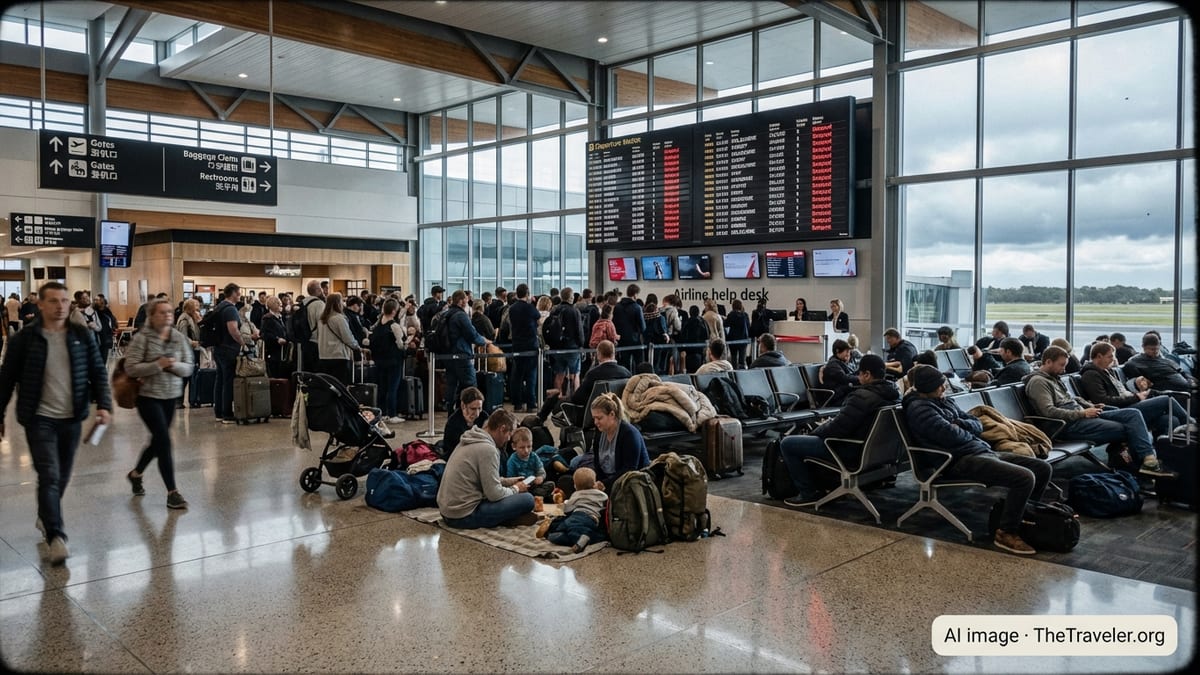
Fresh analysis highlights Easter bottlenecks
Newly compiled punctuality data for the Easter peak suggests that London Gatwick and Heathrow were among the least reliable major UK airports for on-time departures, as millions of passengers took advantage of the long weekend. Publicly available statistics covering the main Easter travel window indicate that close to one in three flights from the two hubs pushed back at least 15 minutes behind schedule, a common industry benchmark for delay.
The figures place Gatwick toward the bottom of the national rankings for punctuality, continuing a pattern seen in earlier seasonal assessments where the airport has regularly recorded some of the longest average delays in the country. Heathrow, despite a relatively higher share of on-time flights compared with Gatwick, still saw a significant proportion of services leave late, reflecting the pressure on the UK’s primary long haul gateway as demand nears or exceeds pre pandemic levels.
Reports indicate that the combination of very high passenger volumes, tight aircraft turnaround schedules and knock on effects from earlier disruptions contributed to the delays. While the majority of flights did eventually depart, the cumulative impact for travellers often meant missed connections, curtailed breaks and extended time spent in departure halls.
Gatwick under renewed scrutiny for punctuality
Gatwick’s performance has drawn particular attention because it serves as a major hub for short haul leisure traffic, especially over Easter when families and budget conscious travellers flock to Mediterranean and city break destinations. Previous annual assessments have already identified Gatwick as one of the worst performing UK airports for delays, and early Easter readings suggest that the airport again struggled to keep departures running to time.
Operations at Gatwick during the holiday period were heavily concentrated around low cost carriers, with airlines operating intense schedules built around rapid turnarounds. Industry observers note that such timetables can be especially vulnerable during peak travel weekends when even minor issues, such as late arriving aircraft or slow boarding, can quickly cascade into wider disruption across the day’s flying programme.
Published coverage of this Easter’s travel patterns points to a familiar picture for passengers departing Gatwick. Queues at security and check in were reported to be lengthy at times, while adverse weather and air traffic control restrictions added further complexity. For many travellers, the result was a late pushback from the stand even when they had arrived well in advance of their scheduled departure time.
Heathrow feels strain as demand hits new highs
Heathrow, the UK’s busiest airport, also featured among the poorer performers for Easter punctuality, with close to a third of flights departing behind schedule according to compiled data. This comes despite the airport having recorded record passenger numbers in recent months, driven largely by renewed demand for long haul and connecting travel.
Analysts point out that Heathrow’s tightly managed runway capacity and intensive wave based scheduling leave limited room for recovery when disruption occurs, particularly during peak holiday periods. Even relatively short delays to early departures can have a knock on effect across the rest of the day, contributing to the elevated proportion of late flights seen over Easter.
Recent operational challenges have underscored the fragility of such a busy hub. A major power related outage in west London earlier this year forced the temporary suspension of hundreds of flights at Heathrow, highlighting how quickly resilience can be tested. Although Easter operations were more stable, residual pressures on resources and infrastructure likely added friction to an already stretched system.
Travel industry commentary suggests that, while Heathrow’s overall performance may be marginally stronger than Gatwick’s when viewed across an entire year, passengers travelling over Easter still faced a meaningful risk of delay, particularly on popular European and transatlantic routes.
National picture shows tight margins across UK airports
The difficulties at Gatwick and Heathrow formed part of a broader pattern of strain across the UK’s airport network over the Easter period. Reports from other major airports, including Manchester, Birmingham and several regional hubs, describe a landscape of busy terminals, longer than usual queues and a steady flow of delayed departures and occasional cancellations.
Sector wide data compiled by aviation consultancies and travel tracking services indicates that the UK’s air transport system entered the Easter weekend already operating close to capacity, with little slack to absorb weather related disruption, staffing shortages or technical issues. Short notice schedule changes and air traffic control constraints across European airspace compounded the challenge.
Nevertheless, the concentration of delays at the two London giants is seen by analysts as particularly significant because of their role in connecting UK travellers to global destinations. When a sizeable share of departures at these airports runs late, the ripple effects can be felt far beyond Britain, disrupting onward journeys and complicating airline network planning well into the start of the summer season.
What the delays mean for Easter travellers
For individual passengers, the headline figure that almost a third of Easter flights from Gatwick and Heathrow departed late translates into a markedly less predictable travel experience. Families heading abroad for short breaks face the prospect of losing valuable holiday time, while business travellers attempting to combine a long weekend with work commitments may see carefully planned itineraries unravel.
Consumer groups note that late running flights can also carry financial implications, from additional parking and accommodation costs near airports to missed hotel check ins and pre booked activities at destinations. In cases of severe delay or cancellation, passengers may be entitled to compensation or rebooking options under existing regulations, but navigating these rules can be challenging during busy periods.
Travel experts advise that, given the latest performance data, Easter travellers using London’s main airports should allow extra time at every stage of their journey, from reaching the terminal to passing through security and boarding. They also point to the growing importance of real time flight tracking and airline apps, which can provide early warning of delays and help passengers adjust plans.
With Easter now firmly established as one of the peak moments in the UK’s travel calendar, the focus is likely to remain on how quickly Gatwick, Heathrow and other airports can improve operational resilience before the even busier summer season. For many holidaymakers, the experience of this year’s Easter getaway will shape decisions about where and when to fly in the months ahead.