


More news on this day
Evening rush-hour travellers at London Waterloo faced severe disruption on 22 October 2026 after a police incident on the South Western main line left key routes suspended, platforms overcrowded and thousands of commuters struggling to get home.
Get the latest news straight to your inbox!
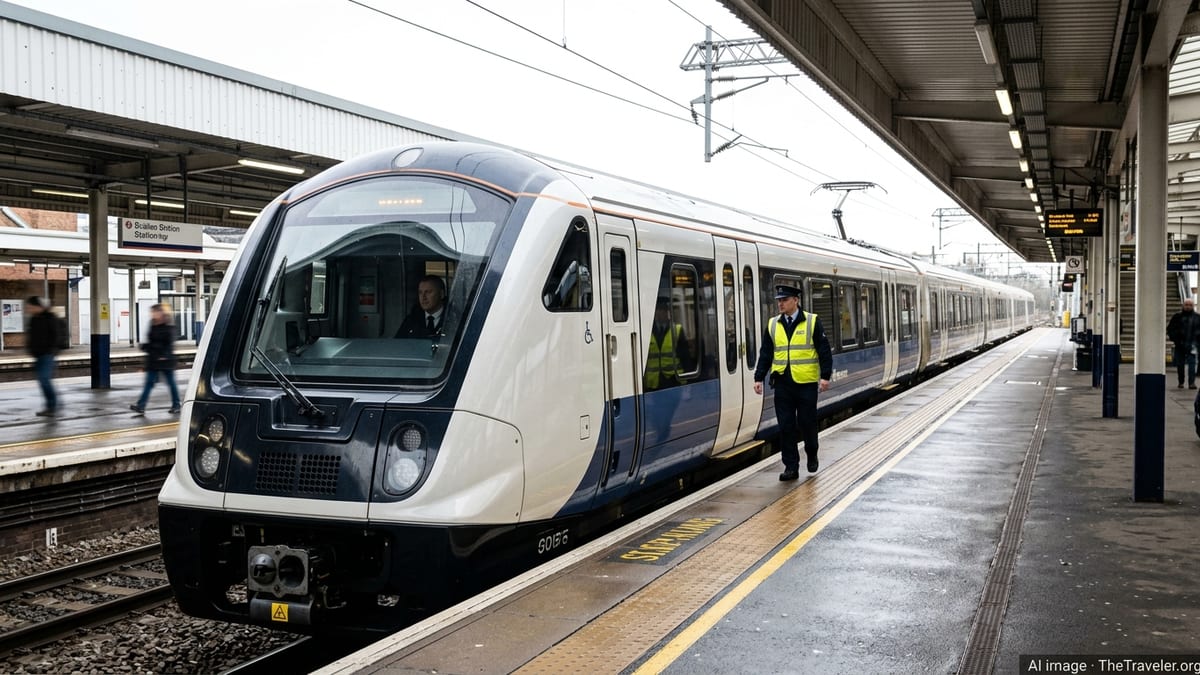
Police incident between Woking and Brookwood halts main line
According to live travel updates and operator disruption summaries, services between Woking and Brookwood in Surrey were stopped on Thursday 22 October after police were reported to be dealing with an incident close to the railway. All lines through the area were initially closed, cutting a major artery that links London Waterloo with towns across Surrey and Hampshire at the height of the evening peak.
Journey information published by South Western Railway stated that trains were being delayed, altered or cancelled as a result, with the operator citing a “police incident near the railway” and later confirming that the impact was being felt across its network into the late evening. National Rail’s disruption alerts indicated that the closure affected long-distance and suburban routes, including services towards Basingstoke, Portsmouth, Southampton and Exeter.
Reports indicate that the issue was first widely flagged shortly before 7.30pm, by which point many rush-hour services out of Waterloo were already heavily loaded. The combination of full trains, short-notice cancellations and blocked lines beyond Woking led to knock-on congestion across platforms and concourses at Britain’s busiest rail station.
By around 10pm, publicly available information showed that lines between Woking and Brookwood had begun to reopen, but warning that journeys would continue to be disrupted while delayed trains and displaced crews were brought back into their normal positions.
Rush-hour commuters stranded as platforms fill
Coverage from London-based news outlets and live updates shared on social media described crowded scenes at London Waterloo as passengers waited for information on whether their trains would depart. Some commuters reported being stuck on concourses or held at ticket gates as staff attempted to manage the flow of people towards already busy platforms.
Images carried by local media showed queues building around departure boards, with passengers reporting that they had been “left for hours” attempting to travel home to destinations served via Woking. Others described trains that did depart as extremely busy, with many travellers standing for long stretches as services were diverted or turned short.
Disruption summaries compiled overnight reported delays of up to 90 minutes on some routes leaving Waterloo, while other trains were cancelled entirely. The effect was particularly acute for those relying on South Western Railway services to reach intermediate stops in Surrey, where replacement options are limited late in the evening once services begin to thin out.
Commentary from regular users of the route suggested that the disruption added to a perception of increasing vulnerability on the evening network, with several pointing to a series of recent rush-hour problems at major London termini caused by a mix of signalling issues, infrastructure faults and emergency incidents.
Replacement buses, ticket acceptance and late-running trains
Travel information platforms tracking the incident reported that rail operators moved to put alternative arrangements in place once it became clear that the lines between Woking and Brookwood would remain shut for an extended period. These included rail replacement buses running in the affected section of line and additional road transport to transfer passengers between key interchange points.
Published coverage referenced reports of buses serving stations such as Woking after around 6.50pm, aimed at helping travellers continue their journeys towards destinations west of the blockade. Some passengers reported being directed onto buses for part of their route before re-joining train services further down the line once trains were able to run.
Real-time journey planners for South Western Railway and National Rail showed widespread alterations, with some services starting or terminating short of their advertised destination, or being diverted via alternative routes where capacity allowed. Other long-distance services were reported as running significantly late but remaining in service in order to return passengers to key hubs before the end of operating hours.
Even after the lines reopened, disruption alerts on Friday morning noted residual delays and alterations linked to the previous evening’s police incident, as train sets and crews were still out of position. Early-morning departures from London Waterloo towards destinations such as Weybridge and Guildford were among those advertised with service amendments connected to the previous day’s events.
Impact on wider south-west London and Surrey travel
The problems on the main line between Woking and Brookwood reverberated across south-west London’s transport network. With many journeys disrupted or cancelled, some commuters sought alternative routes using the London Underground, buses and other rail operators, adding to the pressure on other parts of the evening peak transport system.
Observers noted that Waterloo’s role as a central interchange for National Rail, Waterloo & City line and walking links to nearby Underground stations such as Waterloo East and Southwark contributed to crowding beyond the main concourse. Passengers attempting to re-route via alternative rail hubs including Clapham Junction and Vauxhall faced limited options once services on the South Western main line were heavily reduced.
For travellers further out, the closure between Woking and Brookwood had implications for connections onto branch lines serving locations including Aldershot, Farnham and the North Downs line. Local media coverage highlighted concerns from regular commuters that missed last connections and heavily delayed services could leave individuals facing long waits or costly taxi journeys late at night.
Journey-planning tools on Friday 23 October indicated that a normal timetable was expected to resume later in the day, but continued to flag potential residual delays for those travelling at the start of the morning peak while the network fully reset.
Advice for passengers caught up in future disruption
Publicly available guidance from rail operators and passenger groups stresses the importance of checking live information channels when serious disruption of this kind occurs. During the London Waterloo incident, key details on cancellations, service alterations and ticket acceptance were provided through official journey-check websites, station departure boards and mobile apps.
Travellers affected by major delays are advised to keep records of their original tickets and any additional costs incurred, such as alternative transport or overnight accommodation, so that they can explore potential refunds or delay compensation via the relevant train company. Each operator sets specific criteria for eligibility, which are published on their customer information pages.
Passenger watchdogs also encourage those caught up in significant disruption to allow extra time for onward connections and, where possible, to consider using alternative London termini or different travel times if disruption continues into subsequent days. In the case of the Waterloo incident, early-morning notices on 23 October warned that first services might still be affected, prompting some commuters to adjust their start times.
While the specific circumstances of police incidents are often not disclosed in detail in order to protect privacy and ongoing investigations, operators typically state when such events are the cause of disruption and update notices once the railway is handed back for normal operations. For passengers, clear information about what is happening on the network and how long it is expected to last remains critical in deciding whether to wait, reroute or postpone their journey.