

More news on this day
Your next flight with Lufthansa, SWISS or Edelweiss Air could feel noticeably smoother as the Lufthansa Group becomes the latest major airline family to adopt IATA’s Turbulence Aware real-time turbulence data platform.
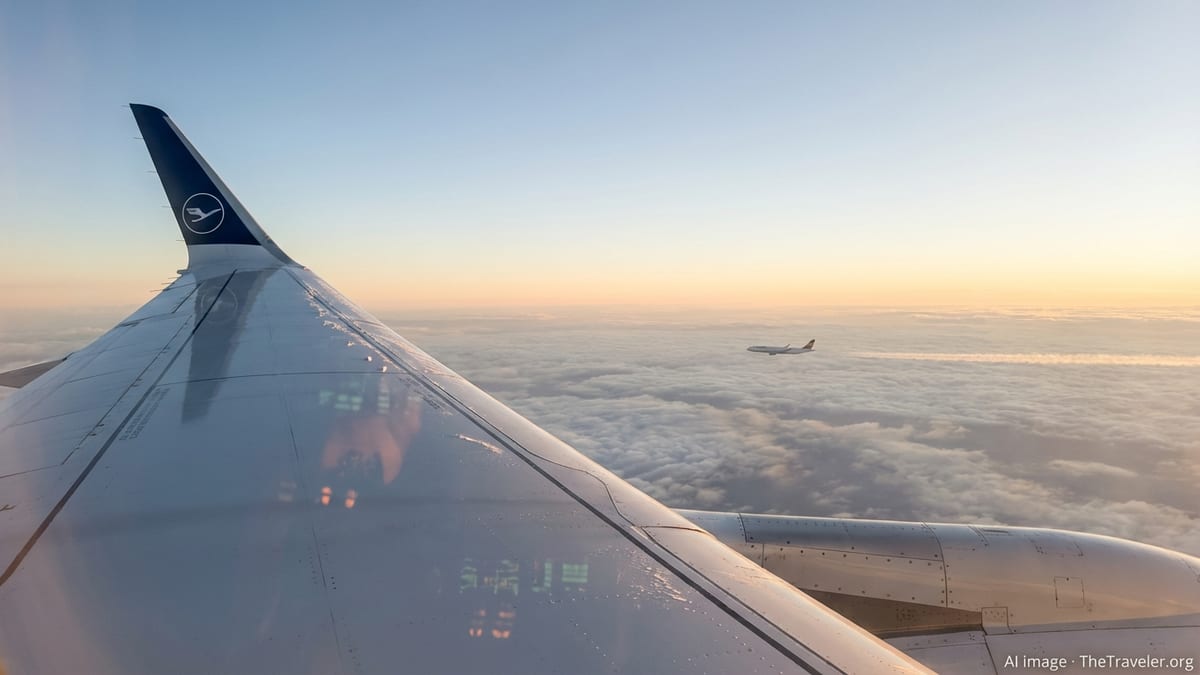
Lufthansa Group Steps Into Real-Time Turbulence Tracking
The Lufthansa Group announced on February 25, 2026, that Lufthansa Airlines is rolling out the International Air Transport Association’s Turbulence Aware platform across its operations, joining a fast-growing global network of carriers sharing real-time inflight turbulence data. Group airlines SWISS and Edelweiss Air are also participating, extending the reach of the program across key European and long-haul routes.
With the move, Lufthansa will collect anonymized turbulence measurements from its aircraft and those of other participating airlines. The data is transmitted in real time to a central IATA database, where it is aggregated and redistributed back to cockpits worldwide. For passengers, the promise is simple but significant: fewer unexpected jolts and a more predictable, comfortable journey.
Francesco Sciortino, hub manager in Frankfurt for Lufthansa, described the deployment as a new benchmark in aviation safety and comfort, noting that the technology gives crews a much sharper picture of atmospheric conditions ahead. The decision also reinforces the Group’s broader strategy of using digital tools and data-driven decision-making to refine operations and enhance the onboard experience.
How IATA Turbulence Aware Works in the Cockpit
Launched by IATA in 2018, Turbulence Aware relies on a form of “swarm intelligence” in the skies. Thousands of aircraft are equipped with sensors that continuously measure the intensity of turbulence encountered at different altitudes and locations. Those readings are automatically anonymized and uploaded to a shared platform while flights are still airborne.
Pilots can then access the information directly on their electronic navigation displays. Color-coded symbols overlay the route, flagging where turbulence has recently been detected, at what height and with what severity. Instead of relying solely on traditional forecasts and pilot reports, crews see a live, data-rich map of the atmosphere that updates as aircraft ahead encounter changing conditions.
This near real-time view enables more precise flight planning and tactical adjustments en route. Crews can choose smoother altitudes, adjust track to avoid rough patches or prepare the cabin when flying through unavoidable disturbed air. By anticipating conditions rather than reacting to surprise bumps, airlines can reduce injuries, protect onboard service and cut the stress often associated with turbulence for both passengers and crew.
Quieter Cabins, Safer Service for Passengers and Crew
For travelers, the most tangible benefit of Turbulence Aware will be what they feel, or increasingly do not feel, during a flight. Armed with detailed turbulence maps, pilots can request altitude changes before bumps intensify, leading to longer segments of smooth cruise even on routes prone to atmospheric instability.
The technology is also reshaping how cabin service is planned. With better warning of upcoming rough air, flight attendants can adjust the timing of meal and beverage service, secure carts earlier and ensure passengers are seated with seat belts fastened when needed. This is particularly important because turbulence remains a leading cause of in-cabin injuries worldwide, especially when passengers or crew are moving around the aircraft.
Beyond comfort, smoother and more predictable operations help airlines maintain on-time performance and protect delicate equipment on board. Reduced wear and tear from repeated encounters with moderate or severe turbulence can contribute to long-term maintenance savings, while passengers benefit from a calmer, more controlled atmosphere at 35,000 feet.
Boosting Weather Forecasting and Climate Resilience
The Lufthansa Group’s participation in Turbulence Aware also has implications far beyond its own network. Each turbulence reading from a Lufthansa aircraft is being shared not only with IATA’s platform but also with Germany’s national meteorological service, the Deutscher Wetterdienst. These high-resolution, altitude-specific observations help scientists refine and calibrate weather models used for aviation and broader forecasting.
As climate change alters jet streams and temperature gradients aloft, episodes of clear-air turbulence that are difficult to spot on conventional radar are expected to increase. Access to dense streams of objective turbulence data from aircraft is therefore becoming a strategic tool for aviation safety agencies and meteorological offices, improving their ability to model and anticipate these invisible hazards.
IATA reports that more than two dozen airlines worldwide are already feeding data into Turbulence Aware, with tens of millions of turbulence reports generated annually. Each new carrier adds geographic coverage and flight-hour depth, making the collective picture of global turbulence patterns more accurate and actionable for everyone connected to the system.
SWISS and Edelweiss Extend the Safety Net Across Europe and Beyond
SWISS and Edelweiss Air, both part of the Lufthansa Group, bring additional value to the platform through their own networks and fleets. SWISS operates an extensive schedule from its Zurich hub, while leisure carrier Edelweiss focuses on holiday destinations across Europe, Africa, Asia and the Americas. Their aircraft will both draw from and contribute to the turbulence database, improving situational awareness on routes that carry large numbers of vacation and connecting passengers.
SWISS has already invested in advanced weather awareness tools, and integration with Turbulence Aware further enhances those capabilities by adding a rich layer of live, crowd-sourced inflight data. For Edelweiss, whose flights often traverse mountainous regions and intercontinental jet streams, fine-grained turbulence information can help crews navigate complex weather patterns with greater confidence.
Together, Lufthansa, SWISS and Edelweiss position the Lufthansa Group at the forefront of the industry’s shift toward data-powered turbulence management. As more airlines join Turbulence Aware in the months and years ahead, the benefits of smoother, safer, more predictable flights will increasingly be shared by passengers across the global air travel network.