

More news on this day
Lufthansa is preparing for another wave of disruption as its pilots plan fresh strike action, threatening hundreds of flights and intensifying a protracted labor dispute that has already unsettled travel across Germany and beyond.
Get the latest news straight to your inbox!
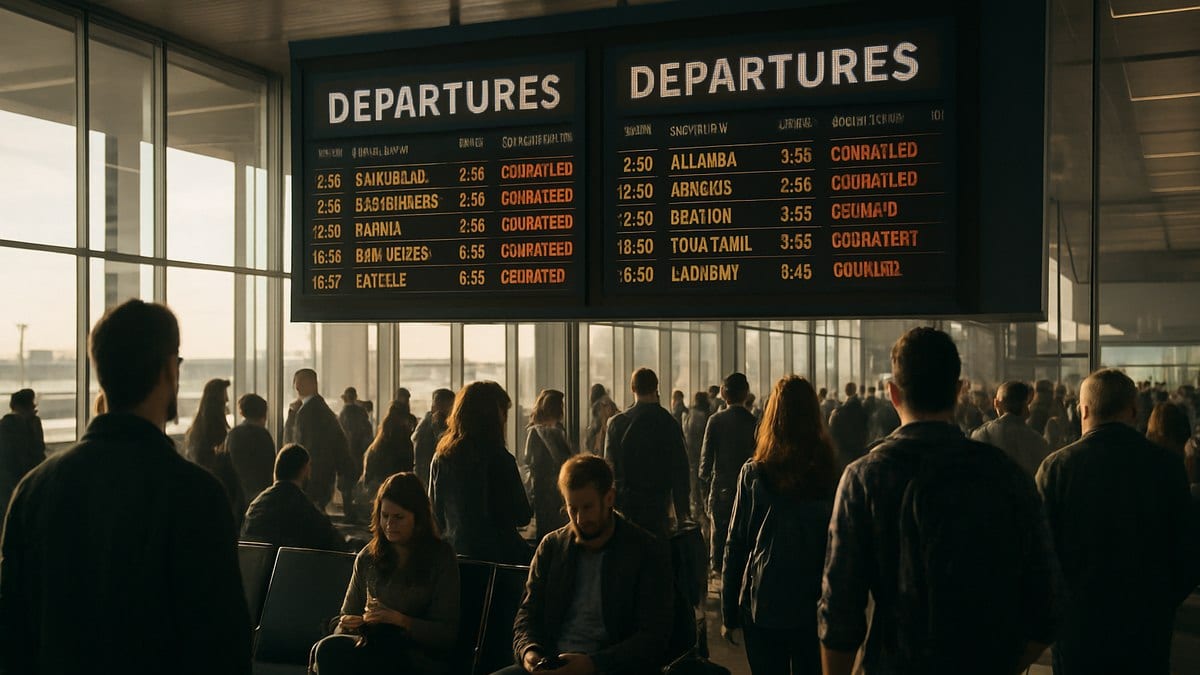
New Strike Call Deepens Long-Running Labor Conflict
Recent reports indicate that the German pilots’ union Vereinigung Cockpit has moved ahead with plans for renewed strikes at Lufthansa following months of acrimonious negotiations over pay, pensions and working conditions. Union statements made public in recent weeks describe a breakdown in talks that began in 2025 over a new collective labor agreement for cockpit crews at the mainline carrier and its cargo arm.
According to publicly available information, Vereinigung Cockpit has been pushing for protections on company pension arrangements and improvements in overall compensation, arguing that pilots have already contributed to past restructuring measures. Management, by contrast, has focused on cost discipline and productivity, seeking to preserve competitiveness in an increasingly price-sensitive European market.
The latest strike plans come on the heels of several rounds of industrial action earlier in 2026, including a 24-hour walkout in February that led to the cancellation of hundreds of flights and a 48-hour warning strike in March that affected operations at major hubs. Travel industry coverage describes a pattern of short, intense stoppages that are intended to increase pressure at the bargaining table while limiting the duration of individual walkouts.
With no comprehensive settlement in sight, the new pilot strike call signals an escalation that could have a pronounced impact on both passenger and cargo networks, particularly on high-density European and intercontinental routes linking Frankfurt and Munich with the rest of the world.
Expected Impact on Flights and Key Hubs
Based on earlier strike scenarios this year, industry observers expect the fresh pilot walkout to trigger widespread schedule disruption, especially at Lufthansa’s main hubs in Frankfurt and Munich. Previous actions led the airline to preemptively cancel a substantial share of its departures, concentrating remaining capacity on a reduced core schedule and rerouting passengers through alternative connections where possible.
Published coverage of the February and March strikes points to several hundred cancellations on peak days and significant knock-on delays across the network. Disruptions were not limited to domestic services, as European feeder flights into the hubs and selected long-haul operations were affected. Analysts anticipate a similar pattern this time, with short-haul and continental routes likely to bear the brunt of the cancellations.
One notable feature of recent pilot actions has been the decision to exclude flights to and from the Middle East from strike plans, a move referenced in union communications that frame this carve-out as a safety consideration linked to geopolitical tensions. That carve-out, however, has done little to ease pressure on other parts of the schedule, where aircraft and crews have been in short supply during previous stoppages.
For travelers, the practical impact has typically included last-minute rebookings, overnight stays near airports, and in some cases shifting to rail alternatives within Germany. The scale and timing of the newly announced strike activity suggest that similar travel headaches are likely if the dispute remains unresolved.
Cabin Crew Unrest Adds Pressure on Lufthansa
The renewed pilot strike threat comes as Lufthansa is already contending with parallel unrest among its cabin crew. The flight attendants’ union UFO has recently called for a one-day walkout targeting all departures from Frankfurt and Munich within a specified time window, citing stalled talks on wages, staffing and social plans for employees.
Reports from German media and international newswires highlight that pilots and cabin crew coordinated industrial action in mid-February, leading to a rare simultaneous strike that forced extensive cancellations. That episode underscored how quickly disruption can escalate when multiple groups of operational staff act in concert.
While the new pilot action is being organized separately from the cabin crew strike, the overlapping disputes compound operational risks for Lufthansa. Any fresh stoppage by cockpit crews will land on an airline that is already reallocating staff, reworking schedules and communicating contingency plans to passengers in response to other industrial actions.
Travel analysts note that the combined pressure from pilots and cabin crew has sharpened investor focus on labor relations at the group. Financial commentary in recent days has linked share price volatility not only to fuel price swings and geopolitical developments but also to concerns about prolonged labor conflict and its cost to the carrier’s turnaround strategy.
What Passengers Should Expect in the Coming Days
With strike dates approaching, travelers with upcoming Lufthansa bookings are being advised by consumer advocates and travel trade outlets to monitor their flight status frequently and prepare for schedule changes. In previous actions, the airline has activated flexible rebooking policies, allowing affected customers to switch to alternative flights or, on some domestic routes, to rail services with partnering operators.
Publicly available guidance from airline and airport channels during earlier strikes has emphasized the importance of checking in online, arriving early at the airport where travel is still possible, and keeping contact details up to date for receiving notifications. Given the scale of the planned pilot action, there is a strong likelihood of crowded service counters and call centers as passengers seek assistance.
Travel planners point out that connecting itineraries through Frankfurt and Munich are especially vulnerable when pilots strike, as disruption at these hubs can ripple across onward legs to North America, Asia and Africa. Passengers originating outside Germany may therefore experience disruption even when their first departure appears unaffected, particularly if they are relying on tight transfer windows.
For corporate travel managers, the renewed industrial action is reviving questions about contingency planning, including diversifying preferred carriers on key routes and ensuring that employees on critical trips have backup options if Lufthansa flights are grounded at short notice.
Broader Implications for Europe’s Peak Travel Season
The timing of the fresh Lufthansa pilot strike call has raised concerns about possible knock-on effects as Europe moves toward the late spring and early summer travel period. After several years of recovery from the pandemic, demand indicators for 2026 have been strong, with many routes already showing high load factors and constrained capacity.
If the dispute between Lufthansa and Vereinigung Cockpit continues into the main holiday season without a negotiated settlement, analysts warn that capacity shortfalls could become more acute, particularly on popular leisure routes. Recurrent labor disruptions at a major network carrier also risk pushing some travelers to low-cost competitors or to alternative full-service airlines that are not affected by strikes.
At the same time, the conflict highlights broader tensions in the European aviation sector, where unions are seeking wage and benefits improvements after a period of high inflation and cost-cutting, while airlines remain focused on balance sheets and investment plans. The outcome of the Lufthansa talks is being closely watched across the industry as a potential benchmark for cockpit pay and pension arrangements at other carriers.
For now, the immediate concern for passengers is the looming round of cancellations and delays as pilots prepare to walk off the job once again. How swiftly both sides can return to the bargaining table and construct a compromise will determine whether this latest strike is a brief flare-up or the start of a longer period of turbulence for Europe’s largest airline group.