

More news on this day
A surprise cabin crew strike at Germany’s Deutsche Lufthansa AG on Friday, April 10, 2026, has grounded hundreds of flights, disrupting travel for tens of thousands of passengers across Germany and rippling through airports across Europe at the tail end of the Easter holiday period.
Get the latest news straight to your inbox!
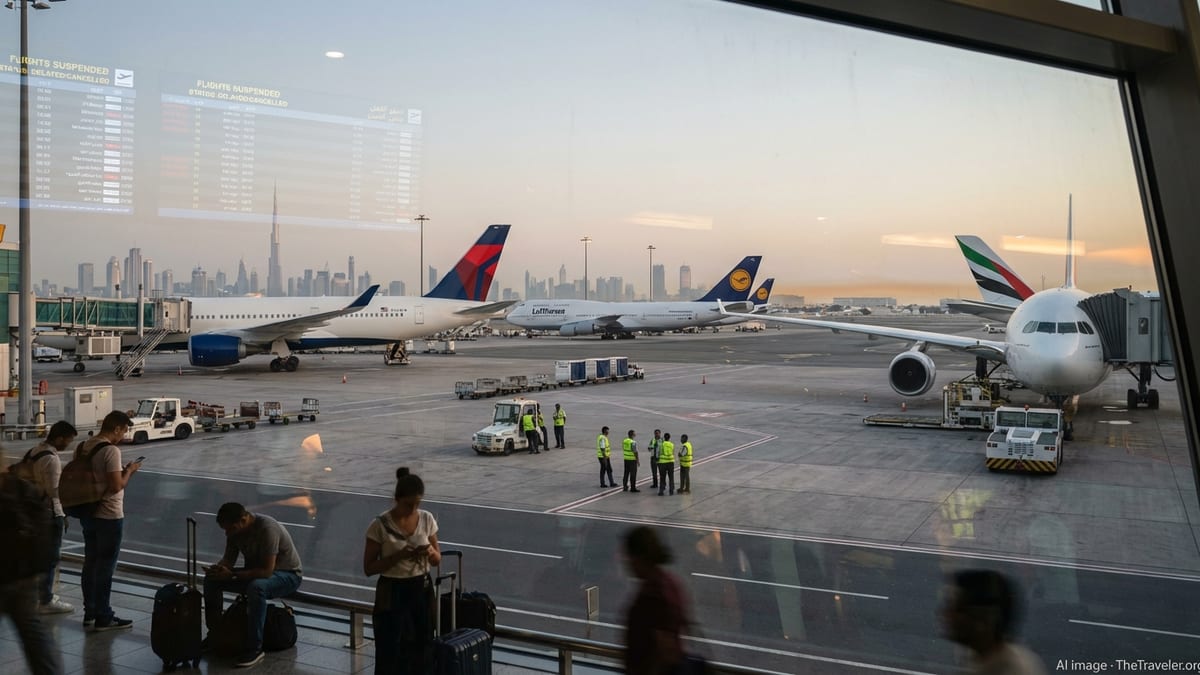
Hundreds of Flights Scrapped at Frankfurt and Munich
Publicly available flight schedules and airport statements show that the one day walkout, organized by the Independent Flight Attendants’ Organization, has hit Lufthansa’s main hubs in Frankfurt and Munich hardest. At Frankfurt, Germany’s busiest international gateway, roughly 580 of about 1,350 scheduled departures and arrivals were cancelled on Friday, representing around three quarters of the airline’s planned operations at the airport.
Munich Airport, Lufthansa’s second major hub, has reported severe disruption as well. Local airport information indicates that around 400 flights were affected there, with large sections of the carrier’s short haul European network either cancelled or consolidated into fewer services.
The strike began shortly after midnight on April 10 and is scheduled to run until 10 p.m. local time, effectively wiping out most of Lufthansa’s Friday timetable at its German bases. The action also extends to Lufthansa CityLine, the regional subsidiary that feeds traffic into the group’s long haul network, amplifying the operational impact.
In advance of the walkout, Lufthansa had issued a special schedule and urged passengers to monitor their bookings, but the scale of cancellations revealed on Friday has still come as a shock to many travelers who expected at least a partial service to be maintained.
Shockwaves Across European Hubs and Regional Gateways
The disruption has not been confined to Germany. As Lufthansa is one of Europe’s largest network carriers, cancellations at Frankfurt and Munich have immediately affected flight programs in neighboring countries that rely on these hubs for both direct and connecting services.
In Lithuania, airport data and local media reports indicate that at least five to six Lufthansa flights on the busy Vilnius Frankfurt route were cancelled on Friday, wiping out the day’s direct connectivity to Germany for many passengers. In Hungary, Budapest’s main international airport reported that Lufthansa flights to and from the city were heavily disrupted, with multiple rotations removed from the schedule.
In Scandinavia, coverage from Norwegian outlets shows that Lufthansa cancelled all flights between Germany and Norway for April 10. The move temporarily severed direct links from several Norwegian cities to the airline’s hubs, forcing passengers onto alternative routings via other European carriers or delaying trips entirely.
Similar reports have emerged from other Central and Eastern European airports that depend on Lufthansa for a significant share of their Western European and intercontinental connections. With many of these services either grounded or overbooked, travelers have faced long waits at service counters and limited same day alternatives.
Union Push for Higher Pay Meets Passenger Frustration
The strike marks the latest escalation in a months long dispute between Lufthansa and the Independent Flight Attendants’ Organization over pay and working conditions. Union representatives have previously stated in public communications that cabin crew are seeking substantial wage increases and better terms to reflect high inflation and staffing pressures in the post pandemic aviation recovery.
Reports indicate that cabin crew had earlier postponed industrial action over the Easter peak in an effort to keep negotiations alive, but balloting results released in late March showed strong support for walkouts if talks failed to produce a compromise. The failure of those talks set the stage for Friday’s nationwide stoppage.
Lufthansa has publicly pointed to the financial strain of repeated strikes across different staff groups in recent months, including earlier industrial action by cockpit crews. Company statements in March highlighted efforts to maintain at least half of all flights during pilot stoppages, supported by larger aircraft and partner airlines. On Friday, however, the concentration of the strike on cabin crews at the group’s German brands has sharply curtailed the scope for such mitigation.
For passengers, especially those returning from late Easter breaks or heading to business commitments after the holidays, the breakdown in talks has translated into missed connections, unexpected overnight stays and complex rebooking processes. Social media posts and online forums on Friday were filled with accounts of travelers struggling to secure new itineraries as remaining seats on alternative carriers rapidly sold out.
Travelers Scramble for Alternatives Across the Continent
Across Europe, the abrupt loss of capacity on Lufthansa and its regional affiliate has sparked a scramble for alternatives. Travelers in cities from Vilnius to Budapest and Oslo have been pushed to rebook via other members of the wider Lufthansa Group, such as Austrian Airlines, Swiss and Brussels Airlines, or to turn to rival carriers that still have available seats.
Published guidance from Lufthansa and several partner airlines has advised affected customers to check flight status online and use digital self service tools for rebooking where possible. In some cases, transatlantic and long haul passengers booked on codeshare itineraries have been able to switch to services operated by alliance partners, while others have had to accept departures on different days or out of alternative airports.
Travel industry commentary suggests that rail operators and low cost carriers are also seeing increased demand on key intra European routes, as travelers seek last minute options to salvage business meetings, family visits or onward long haul trips. At major rail hubs in Germany, passengers have reported crowded trains on routes linking Frankfurt and Munich with neighboring countries.
At the same time, consumer advocates in Europe have drawn attention to passenger rights provisions that may apply when flights are cancelled due to industrial action by an airline’s own staff, with travelers encouraged to document expenses and keep records of communications for potential claims once immediate travel needs have been resolved.
More Disruption Possible if Talks Remain Stalled
Although Friday’s walkout is limited to a single day, the scale of the disruption has renewed concerns about the risk of further strikes if the underlying dispute is not quickly resolved. Recent company financial reports and union statements suggest that negotiations over multi year pay agreements for cockpit and cabin staff across various Lufthansa Group airlines remain sensitive and could trigger additional industrial action.
For airports, tourism boards and business groups across Europe, the latest strike is a reminder of the wider economic ripple effects that major airline stoppages can generate. Reduced connectivity on key hub routes can affect hotel occupancy, conferences and cargo flows, particularly when they coincide with busy travel windows such as school holidays and religious festivals.
As of Saturday, April 11, Lufthansa is expected to resume a regular schedule, and operational updates from regional airports indicate that most services will restart. However, airline and airport information suggests that residual delays and rebooked passengers may continue to strain capacity over the weekend, especially on already busy leisure and city pair routes.
With labor tensions continuing across several parts of Europe’s transport sector, travelers planning spring and early summer trips through German hubs are likely to keep a close watch on developments at Lufthansa, cognizant that another breakdown in talks could once again upend carefully laid travel plans.