

More news on this day
Lufthansa passengers are bracing for another round of disruption on Friday, April 10, as flight attendants at the German flag carrier and its regional arm CityLine prepare to walk off the job in an escalating dispute over pay and working conditions.
Get the latest news straight to your inbox!
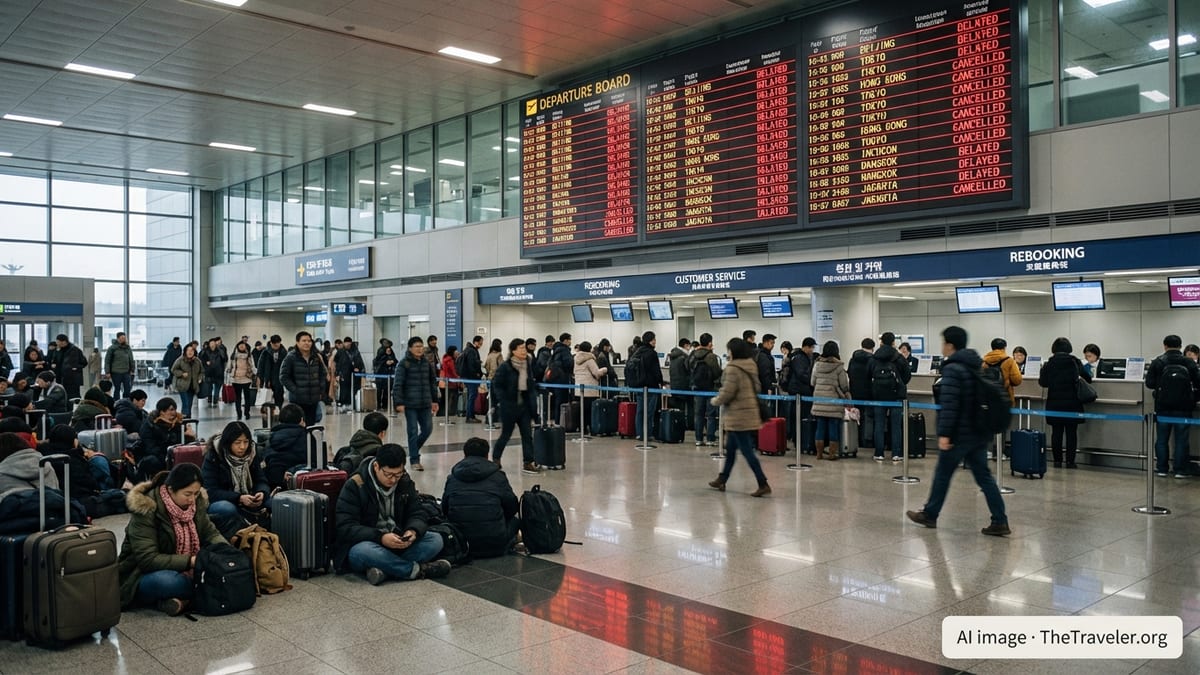
One-day walkout set to hit key Lufthansa hubs
The Independent Flight Attendants’ Organisation, known by its German acronym UFO, has called a one-day strike that will affect Lufthansa flights throughout Friday. Publicly available information shows the action is scheduled from 12:01 a.m. to 10 p.m. local time, covering most of the operating day and coinciding with the start of a busy spring travel period.
According to published coverage, all departures operated by the main Lufthansa brand from Frankfurt Airport and Munich Airport are expected to be targeted during the strike window. These two hubs form the backbone of the airline’s long haul and European networks, raising the prospect of widespread cancellations and delays for travelers transiting through Germany.
The walkout also extends beyond the mainline operation. Reports indicate that cabin crew at Lufthansa CityLine, the group’s regional feeder airline, will strike at nine German airports over the same hours. That broadens the impact to a range of domestic and short haul routes that connect smaller cities to Frankfurt and Munich, potentially complicating onward connections for international passengers.
Lufthansa has begun loading special timetables and adjusting schedules, but the scale of the planned work stoppage suggests that a significant share of Friday’s departures from Germany will not operate as originally planned.
Third labor disruption in two months for German flag carrier
The looming cabin crew strike marks at least the third major labor-related disruption for Lufthansa in the past two months, underscoring the depth of the unrest within the group. In February, a coordinated one-day walkout by pilots and cabin crew led to hundreds of cancellations across the network, and in mid March pilots staged a two-day strike in an unresolved pay dispute.
Those earlier actions hit Lufthansa’s operations hard, particularly at its Frankfurt and Munich hubs, and left tens of thousands of passengers seeking rebookings or refunds. Industry observers note that the repeated stoppages have added to existing pressures from winter weather and air traffic control constraints across Europe, creating a challenging operating environment for the airline.
Published financial commentary on the group’s recent results has highlighted rising costs and competitive pressure from low cost carriers and Gulf airlines. Analysts suggest that these factors are likely feeding into tense negotiations over pay, scheduling and job security, as staff seek to protect their purchasing power and work life balance in a period of stubborn inflation.
The frequency of industrial action at Lufthansa in 2026 is drawing comparisons with previous years of prolonged labor conflict in the German aviation sector, when pilots, ground staff and cabin crew staged multiple strikes over pensions and restructuring plans.
Union cites pay, predictability and job security concerns
UFO has framed the latest strike call as a response to what it describes in public statements as a lack of progress in talks with Lufthansa management. The union represents around 19,000 cabin crew at the mainline carrier and has also been involved in negotiations over the future of approximately 800 employees at CityLine, which is expected to wind down operations in the coming years.
According to summaries of the union’s demands in German and international media, key points include higher wages, better predictability of duty rosters and longer advance notice of schedule changes. The union also seeks improved protections for staff whose positions may be affected by fleet and network reshaping within the group.
Voting results released by the union at the end of March indicated strong backing for industrial action among cabin crew members after talks broke down. Reports indicate that a large majority of participating members endorsed the option of a strike, giving UFO a mandate to escalate the dispute if negotiations stalled.
Lufthansa, for its part, has reiterated in public information channels that it is open to further talks and has described the planned strike as disproportionate. The carrier has said it aims to limit the impact on customers where possible, but has acknowledged that many flights will have to be cancelled or re-timed while the walkout is in effect.
What travelers can expect on April 10
For passengers with tickets on Lufthansa or Lufthansa CityLine services on Friday, April 10, the immediate priority is to verify whether their flights are operating. The airline has been updating its digital channels and loading adjusted schedules, and travel industry bulletins indicate that further cancellations are likely as crew availability is finalized.
Travel advisories circulating among corporate travel managers and partner airlines suggest that a substantial number of short haul and medium haul flights to and from Germany may be cancelled or consolidated. Long haul services may operate at higher rates, but even intercontinental routes could face schedule changes, aircraft swaps or missed connections due to disrupted feeder traffic.
Some carriers in the Star Alliance network have introduced temporary waivers to help travelers rebook itineraries that involve Lufthansa-operated segments. These waivers typically allow changes to be made without additional change fees when the original journey falls within a certain date range, although fare differences can still apply depending on the new routing and cabin.
Within Germany, publicly available guidance from earlier strike episodes suggests that passengers on cancelled domestic flights may be able to switch to rail services on specific routes at no extra cost. As during previous stoppages, travelers are being encouraged by consumer advocates to keep receipts for meals, accommodation and alternative transport in case they are eligible for reimbursement under European passenger rights rules.
Growing frustration among passengers and broader implications
The upcoming strike is already prompting frustration among travelers, particularly those whose plans had been affected by the pilot strikes in March. Discussions in online travel forums and social media posts highlight concern from passengers facing repeated rebookings, overnight layovers and uncertainty about whether their journeys will proceed as planned.
For Lufthansa, the latest disruption risks further straining customer loyalty at a time when airlines are competing aggressively for premium and connecting traffic in Europe. Frequent flyers and corporate clients typically place a premium on reliability, and recurring industrial action can influence decisions about preferred carriers and alliance partners.
From a broader industry perspective, the dispute reflects persistent tensions across European aviation as staff seek to recoup real income losses after the pandemic and amid high living costs. Several airlines in the region have faced strikes or strike threats over the past year, and labor analysts suggest that more confrontations are possible if wage negotiations fail to keep pace with inflation and changing work patterns.
For now, the focus remains on Friday’s walkout and the extent of the operational impact at Lufthansa’s main hubs and regional airports. With more labor talks expected in the weeks ahead, travelers and investors alike will be watching closely to see whether the German flag carrier and its cabin crew union can move closer to a settlement that restores stability to the airline’s schedules.