

More news on this day
Germany’s flagship carrier Lufthansa is battling a disruptive pilot strike while pledging to keep roughly sixty percent of its long-haul schedule in the air, a high-stakes test of contingency planning that is rippling through hubs in Frankfurt and Munich and affecting travelers worldwide.
Get the latest news straight to your inbox!
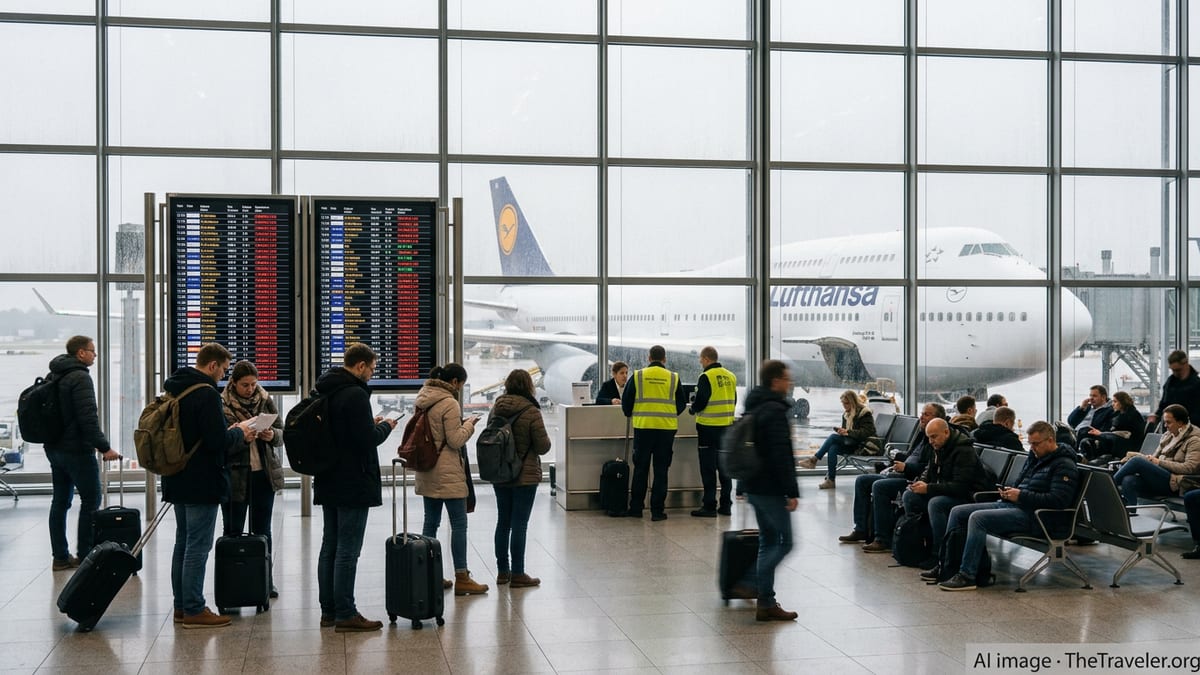
What Is Behind the Latest Lufthansa Pilot Walkout
The current disruption stems from an escalation in the long-running pay and working-conditions dispute between Lufthansa and the Vereinigung Cockpit pilots’ union. After weeks of negotiations failed to close the gap, the union called a new round of strike action covering key dates in mid-March, targeting Lufthansa’s mainline passenger operations.
Pilots are pressing for higher base pay, stronger protections against roster fatigue, and more predictable career paths for both short-haul and long-haul crews. The union argues that, despite Lufthansa’s strong financial recovery and fleet expansion plans, cockpit staff have not benefited proportionately from improved results and are increasingly stretched by dense schedules.
Lufthansa’s management counters that it has already tabled what it calls a competitive offer and warns that repeated strike actions undermine customer confidence and erode funds that could otherwise go into fleet renewal and route growth. Both sides insist they remain open to further talks, but neither has yet signaled a breakthrough that would immediately halt the industrial action.
The strike officially covers flights on designated days in March, but its effects extend beyond the exact hours of the walkout. Aircraft and crews are out of position, knock-on delays accumulate, and connections across Europe, North America and Asia are being reshuffled or consolidated.
How Many Flights Are Running and Where the Pain Is Worst
In a bid to limit chaos, Lufthansa has said it aims to maintain more than half of its total schedule during the strike, with around sixty percent of long-haul services operating. Those intercontinental flights are a commercial priority because they carry high-yield business traffic and connect key markets such as the United States, Canada, Brazil and major Asian destinations with the airline’s Frankfurt and Munich hubs.
Short-haul and medium-haul routes are bearing the brunt of cancellations. Many feeder services into Germany from neighboring European countries are being thinned out, merged or scrapped entirely on strike days. Travelers booked on intra-European routes are most likely to see outright cancellations or significant time changes as the airline reallocates scarce pilots to long-haul rotations.
The situation on any given day can change at short notice as Lufthansa adjusts to crew availability and airframe positioning. Some flights that appeared as cancelled earlier in the week have been reinstated in slimmed-down form, while others have been dropped within 24 hours of departure, particularly on less critical regional routes.
For passengers, this uneven pattern means that a Frankfurt to New York or Munich to Tokyo flight is relatively more likely to operate, though not guaranteed, while a shorter hop from a European secondary city into Germany remains vulnerable to last-minute disruption.
What Affected Passengers Can Expect From Lufthansa
Lufthansa has activated its standard disruption protocols, which include free rebooking on alternative dates or routes when available, as well as refunds for flights that the airline cancels. Many passengers are being re-accommodated on later Lufthansa departures, on partner airlines within the Star Alliance network, or routed through different hubs to keep long-haul itineraries intact.
Travelers whose flights are cancelled are generally being notified by email, app notifications or text messages, though some have reported delays in communication as call centers and digital channels come under heavy load. At major hubs, additional staff have been deployed at transfer desks to assist with urgent rebookings, especially for long-haul connections and time-sensitive travel such as business trips or academic programs.
Accommodation and meal support are being arranged case by case, depending on the length of delay, local regulations and availability of hotel capacity near airports. With multiple days of disruption, rooms near Frankfurt and Munich have come under pressure, and some travelers are being bussed to more distant hotels or advised to stay with friends or family where possible.
Passengers are also turning to travel insurance policies for additional coverage on missed events, extra nights or alternative transport costs. Insurers typically require documentation of cancellations and delays, so preserving boarding passes, booking confirmations and any written communication from the airline is critical for later claims.
Your Rights on Cancellations, Delays and Compensation
For flights departing from or arriving in the European Union on Lufthansa, passengers are protected by EU air passenger rights rules that may entitle them to care, re-routing and, in some cases, cash compensation. The exact entitlement depends on factors such as flight distance, length of delay and notice given before departure.
On long-haul routes into and out of the EU, travelers whose flights are cancelled at short notice or who arrive with a significant delay could be eligible for compensation if the disruption is deemed to fall within the airline’s responsibility. Separate from any cash payments, Lufthansa must offer a choice between a refund and alternative transport to the final destination at the earliest opportunity.
However, navigating the fine print can be complex, particularly when strikes are involved and when itineraries combine multiple airlines and booking channels. Many passengers are turning to online claim services, consumer-rights organizations or legal advisers specializing in air travel disputes to understand whether they qualify for compensation and how to pursue it.
For those holding award tickets or complex itineraries purchased through third-party platforms, the picture can be even more tangled. These travelers may find that they must work through both the issuing airline or program and Lufthansa jointly to secure rebooking or refunds, adding time and frustration at an already stressful moment.
Practical Advice for Travelers Flying With Lufthansa Now
With the strike unfolding and further talks still uncertain, travelers booked on Lufthansa in the coming days should prepare for potential disruption even if their flights currently show as operating. Checking flight status repeatedly in the 24 hours before departure and again before leaving for the airport is essential, as schedules are being updated dynamically.
Where possible, passengers are advised to allow extra time for connections, particularly when self-connecting between separate tickets or changing between carriers and terminals. Booking longer layovers, even at the cost of additional waiting time, can provide a buffer if feeder flights are delayed or rescheduled.
Those with urgent travel dates might consider proactive changes, such as moving departures a day earlier or later if free rebooking is offered, or exploring alternative airlines that still have seats available on key routes. Travelers starting their journey outside Germany may also gain flexibility by repositioning to major hubs like Frankfurt or Munich in advance, though this carries its own risks if strikes intensify.
As Lufthansa and its pilots continue their stand-off, the airline’s effort to keep around sixty percent of long-haul flights running is providing some relief for intercontinental travelers, but the overall picture remains fluid. Anyone planning to fly with the carrier during this period should remain alert, flexible and ready to adjust plans as the situation develops.