

More news on this day
Germany’s flagship carrier Lufthansa is once again facing the prospect of flight disruptions, as a key flight attendants union has rejected proposed work rule changes and warned that strike action is firmly on the table if the airline does not significantly soften its demands.
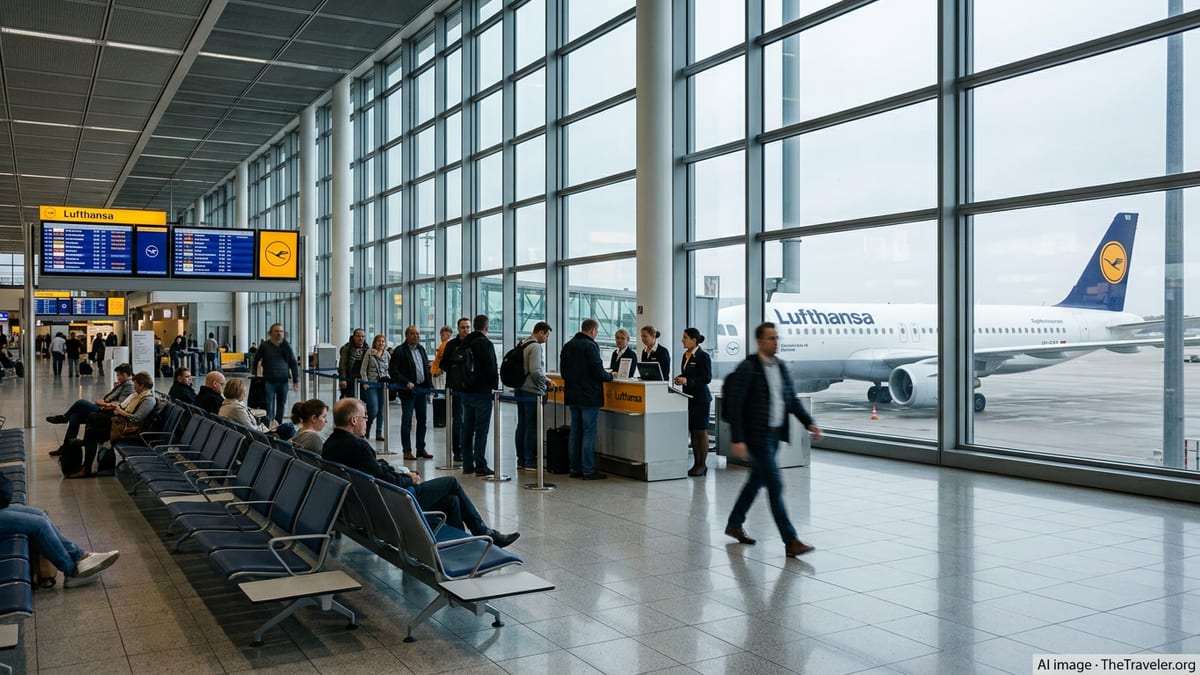
Union Rebuff Raises Stakes for Lufthansa Travelers
The Independent Flight Attendants Organization, known by its German acronym UFO, walked away from talks over a new framework agreement that sets core conditions for cabin crew, including scheduling, rest periods and pay-related rules. Union officials say Lufthansa’s push for what it calls a radical overhaul of work rules would hand management far greater flexibility at the expense of predictable rosters and quality of life for crew members.
According to union communications shared with members, negotiators rejected the airline’s package outright and told Lufthansa they will not return to the table unless the proposals are substantially revised. While no strike dates have yet been announced, Germany’s labor environment allows unions to organize industrial action with relatively short notice, leaving passengers with limited visibility over potential disruption in the weeks ahead.
The breakdown comes at a sensitive moment for Europe’s aviation sector, which is heading into the busy spring and early summer travel period. For travelers relying on Lufthansa’s extensive network through Frankfurt and Munich, the mere prospect of renewed strikes by cabin crew is enough to prompt contingency planning, ticket changes and a renewed focus on travel insurance and flexible bookings.
What Is Behind the Dispute Over Work Rules
At the heart of the dispute is a proposed revision of Lufthansa’s so-called framework collective agreement, a contract that governs key aspects of work life for thousands of flight attendants. Management has argued that the current rules are too rigid and have contributed to weak profitability at the mainline carrier, particularly when compared with more flexible structures at group subsidiaries and low cost competitors.
Union representatives say the airline’s plan would significantly increase scheduling volatility, expand management’s discretion over duty assignments and limit the ability of crew to plan their personal lives. They also argue that after years of high workload, staffing strains and repeated industrial disputes, Lufthansa should be offering clearer safeguards rather than seeking to loosen constraints on how crews are deployed.
The dispute underscores a broader tension in the airline industry between the need to adapt operations to volatile demand and the desire of workers for stable, predictable conditions. For UFO and its members, the current standoff is seen as a red line moment, with officials warning that any agreement must preserve what they consider essential protections for cabin staff.
Potential Impact on Frankfurt, Munich and Beyond
Lufthansa’s dominant position at Frankfurt Airport and Munich Airport means any flight attendant strike would have an outsized impact on German and European air travel. Past labor actions at the carrier have triggered hundreds of cancellations in a single day, forcing passengers to rebook, reroute or postpone trips altogether. Even short warning strikes can ripple across the network, as aircraft and crews fall out of position.
Travel industry analysts warn that the current dispute could affect not only point to point journeys, but also long haul connections linking Europe with North America, Asia and the Middle East. Travelers flying on partner airlines under codeshare agreements may find their itineraries disrupted if a Lufthansa operated leg is canceled, particularly on heavily trafficked routes through Frankfurt.
Given Germany’s role as a major connecting hub for intra European and intercontinental flights, prolonged or repeated strikes would likely be felt far beyond the country’s borders. Tour operators, corporate travel managers and leisure travelers with spring and early summer plans are already being urged to monitor developments closely, check the status of their flights regularly and consider flexible options where possible.
Financial Pressure Drives Push for Efficiency
The clash over work rules is also rooted in Lufthansa’s financial performance. While the broader Lufthansa Group has reported improved results and solid margins at subsidiaries such as SWISS and Eurowings, the mainline airline has struggled with comparatively thin profitability. Executives have repeatedly pointed to higher labor costs and less efficient staffing structures as factors weighing on the flagship brand’s competitiveness.
Management contends that modernizing cabin crew agreements is essential if Lufthansa is to protect its market position and invest in new aircraft, onboard products and digital services. The company is simultaneously facing higher operating expenses from longer routings around conflict zones, volatile fuel prices and intense fare competition within Europe.
For unions, however, the push for greater flexibility raises concerns that staff will be asked to bear the brunt of the restructuring through more demanding rosters and reduced rest windows. Union leaders argue that Lufthansa’s long term resilience depends on retaining experienced, motivated crews, and that eroding working conditions could ultimately undermine service quality and brand loyalty among passengers.
What Passengers Should Watch in the Coming Days
For now, flights are operating normally, but the tone of statements from both sides suggests the risk of industrial action is real. Travelers with upcoming itineraries involving Lufthansa or its regional affiliates should keep a close eye on official communication channels and be prepared for schedule adjustments at short notice if talks deteriorate further.
Experts recommend that passengers heading to or through Germany consider booking earlier flights in the day, allowing extra connection time and ensuring contact details are correctly entered in reservations so airlines can issue rebooking information quickly if needed. Flexible fares, refundable tickets or itineraries that allow rerouting on partner carriers may also provide an additional buffer against disruption.
With the spring travel season approaching and demand for European city breaks and connecting long haul trips rising, the outcome of the Lufthansa cabin crew dispute will be closely watched across the aviation industry. Whether the prospect of widespread disruption nudges both sides back to the bargaining table, or whether Germany’s skies are once again clouded by walkouts, will be a pivotal question for travelers in the coming weeks.