

More news on this day
Lufthansa passengers traveling at the end of this week are being warned to expect significant disruption on Friday, April 10, as a planned cabin crew strike is set to affect the German carrier’s operations across its network.
Get the latest news straight to your inbox!
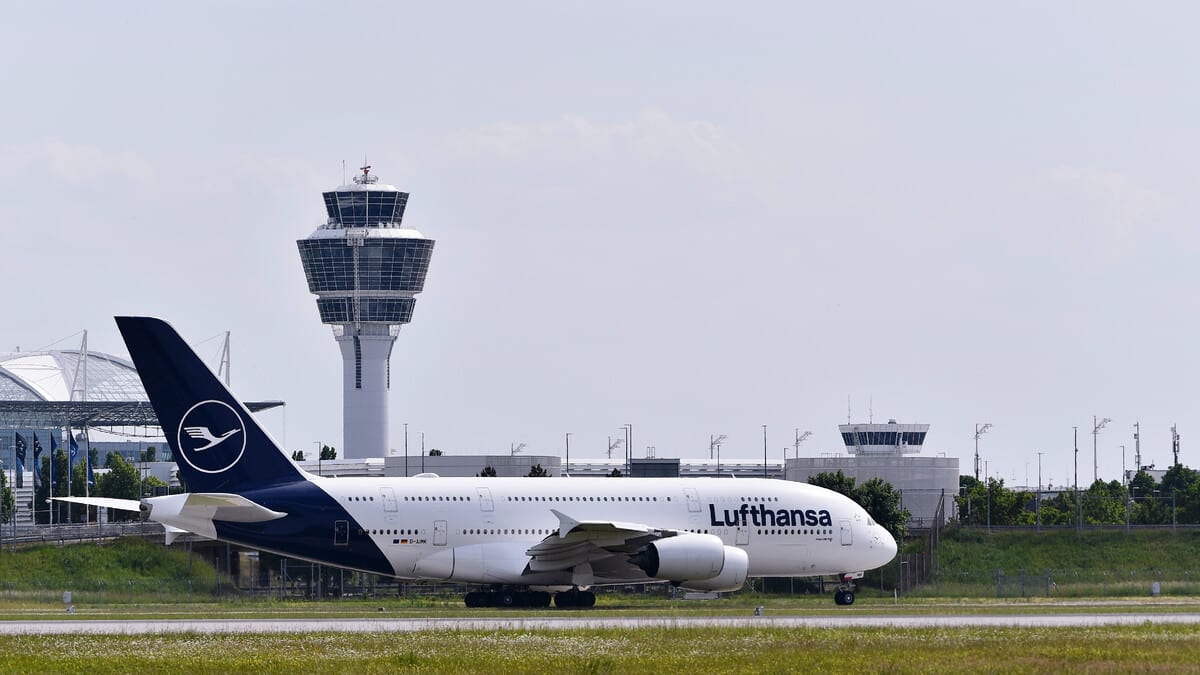
Strike Call Targets Key Spring Travel Period
The industrial action on April 10 comes at a busy time for European air travel, with spring holidays and business traffic contributing to high load factors on many routes. Reports indicate that cabin crew at Lufthansa have scheduled a walkout for Friday, raising the likelihood of widespread schedule changes, particularly on short and medium haul services.
Details circulating in traveler advisories and industry forums suggest the strike will primarily affect flights operated by Lufthansa from major hubs such as Frankfurt and Munich. The action is expected to run through much of the day on April 10, with potential knock-on impacts continuing into the weekend as aircraft and crew rotations are disrupted.
The dispute follows a series of recent labor tensions involving different staff groups at the airline, including earlier industrial action by cockpit crews in March. Publicly available information shows that negotiations over pay and working conditions have been ongoing for months, reflecting the pressure on both airlines and employees amid higher costs and strong post-pandemic demand.
While precise participation levels among cabin crew are not yet clear, travel industry observers note that even a partial walkout can force large numbers of cancellations when safety and minimum staffing rules prevent flights from operating with reduced crews.
Travel Waivers and Rebooking Options Emerge
In anticipation of the strike, partner airlines and travel intermediaries have begun issuing guidance for affected passengers. Information shared in alliance partner advisories indicates that flexible rebooking options are being offered for itineraries touching Lufthansa-operated flights on April 9 and 10, allowing travelers to switch dates or carriers within a defined window without change fees.
According to publicly available waiver notices, some partner carriers are permitting passengers booked on Lufthansa code-share segments to move their travel to alternative flights operated by other alliance members between April 8 and April 17, subject to availability. These measures are designed to ease pressure on Lufthansa’s own rebooking systems and to provide additional options for long haul travelers trying to preserve onward connections.
Travel specialists explain that such waivers are typically time limited and may focus on specific origin and destination pairs, particularly routes connecting North America, Europe, and key long haul markets. Passengers holding multi-leg itineraries that include Lufthansa segments are being encouraged to review their bookings and consider proactive changes if their travel dates are flexible.
Industry analysts note that the breadth of the waivers suggests expectations of substantial disruption, with airlines aiming to spread demand across several days to reduce the risk of severe bottlenecks on April 10 itself.
Major Hubs and Connecting Traffic at Risk
The strike’s impact is expected to be most visible at Frankfurt Airport and Munich Airport, Lufthansa’s two primary hubs. These airports serve as critical connecting points for passengers traveling between Europe and destinations in North America, Asia, the Middle East, and Africa. When a large number of feeder flights are canceled, connecting itineraries can unravel quickly, even if some long haul services still operate.
Recent experience with earlier strike days at German airports has shown that ground operations can become strained even before the official start of industrial action as airlines preemptively trim schedules, reposition aircraft, and adjust staffing. Reports from previous events indicate that check-in lines, security checkpoints, and transfer desks can become congested as passengers seek last-minute alternatives.
For travelers already en route on April 9, same-day and overnight connections into Lufthansa’s hubs may also be affected if aircraft and cabin crew rotations are altered to prepare for the walkout. This can leave passengers stranded mid-journey if a crucial onward leg is canceled, prompting demand for rebooking on other carriers at short notice.
Observers point out that even after the strike formally ends, it can take a full day or more for flight operations to return to normal, especially on complex hub-and-spoke networks like Lufthansa’s. Aircraft may be out of position, and crew rest requirements can limit how quickly the full schedule can be restored.
What Passengers Can Do Ahead of April 10
With the strike date approaching, travel experts are advising passengers to take a proactive approach. Publicly available guidance from consumer advocates and airline information sites typically recommends that affected travelers monitor their booking status closely via airline apps, sign up for flight alerts, and verify that contact details are up to date so that any schedule changes are communicated quickly.
Rebooking at the first sign of disruption is often key to securing the most desirable alternatives, as capacity on other flights can fill rapidly once cancellations are announced. Passengers with essential travel on April 10 may wish to explore options to move their journeys to April 8 or 9, or to later dates once operations are expected to stabilize.
Travelers connecting through Germany from other countries should also check whether local transport strikes or regional disruptions could compound the effect of the cabin crew walkout. In some recent cases, separate industrial actions affecting air traffic control or ground handling in neighboring countries have contributed to knock-on delays, even for flights not directly covered by a specific strike notice.
Those who booked through online travel agencies or third-party platforms are being reminded that changes may need to be requested through the original point of purchase. This can lengthen processing times, making it even more important to act early if an itinerary includes Lufthansa flights on or around April 10.
Consumer Rights and Compensation Considerations
The looming strike is also renewing attention on passenger rights in the European Union. Under existing EU air passenger regulations, travelers on flights departing from EU airports, or on EU carriers flying into the bloc, are entitled to specific forms of care in the event of significant delays or cancellations. These can include meals, refreshments, and hotel accommodation when overnight stays become necessary.
Compensation rules related to strikes can be complex, and outcomes may depend on whether the disruption is judged to be within the airline’s control. Publicly available information from consumer rights organizations notes that some forms of industrial action have historically been treated as extraordinary circumstances, while others, particularly those involving an airline’s own employees, have led to compensation claims being upheld.
Travelers affected by cancellations on April 10 are likely to have the option of rerouting at the earliest opportunity or receiving a refund for unused tickets, according to standard practice in the European air transport sector. However, processing these claims can take weeks, particularly when many passengers submit requests at the same time following major disruptions.
Specialists in air passenger claims advise keeping detailed records, including boarding passes, booking confirmations, receipts for additional expenses, and written communication from airlines. These documents can support later reimbursement requests and help clarify the cause of disruption when multiple factors, such as strikes and adverse weather, coincide.