

More news on this day
Lufthansa passengers face another round of travel disruption on Friday, April 10, as a cabin crew strike is expected to force widespread cancellations and delays across the German airline’s network.
Get the latest news straight to your inbox!
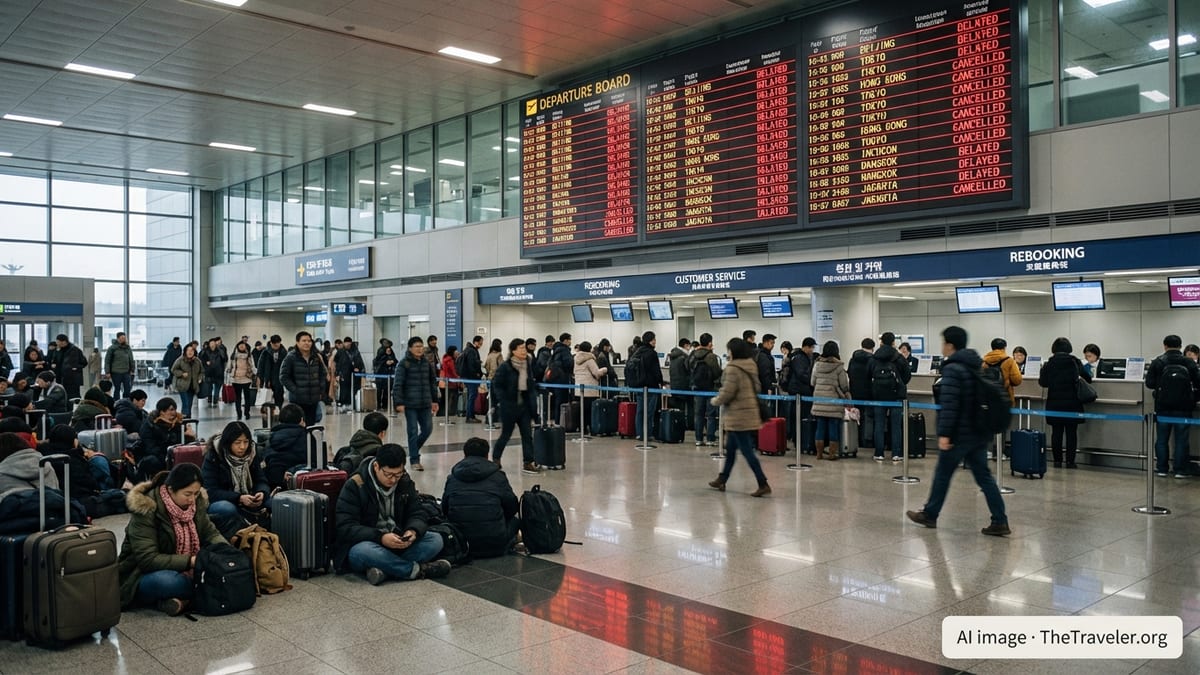
Strike Called by UFO Union Targets Lufthansa and CityLine
According to publicly available information from Lufthansa and industry bulletins, the Independent Flight Attendants’ Organization, known by its German acronym UFO, has called a one-day walkout for Friday affecting cabin crew at Lufthansa and its regional subsidiary Lufthansa CityLine. The action is scheduled from 00:01 to 22:00 local time on April 10, covering a large part of the operating day.
The strike is expected to hit departures from the carrier’s main hubs in Frankfurt and Munich particularly hard, with reports indicating that cabin crew at additional German airports served by Lufthansa CityLine will also join the stoppage. Early guidance suggests significant reductions in the schedule, although some flights are still expected to operate.
The latest strike call comes after a series of labour disputes at the airline in recent months, including coordinated pilot and cabin crew action in February and further pilot strikes in March. Published coverage notes that those earlier walkouts led to the cancellation of hundreds of flights and affected tens of thousands of passengers, underlining the potential scale of Friday’s disruption.
UFO has framed the industrial action as part of a broader dispute over pay and working conditions, in parallel with demands previously raised by the pilots’ union Vereinigung Cockpit. Public reports highlight long running tensions over compensation, pensions and rostering as Lufthansa continues a multi year restructuring effort.
Extensive Cancellations Expected Across Key Hubs
Information published on Lufthansa’s travel trade and customer advisory channels indicates that the airline is preparing for “extensive cancellations” across its route network on Friday. Frankfurt Airport and Munich Airport are expected to be the most affected, given their role as intercontinental hubs and the concentration of Lufthansa and CityLine operations.
While a detailed list of cancellations typically emerges closer to the strike date, past stoppages provide an indication of what travelers may face. During a 24 hour strike in February, Lufthansa canceled close to 800 flights in a single day, impacting roughly 100,000 passengers across Europe and long haul routes. Industry observers suggest that a similar scale of disruption is possible if Friday’s cabin crew strike proceeds as planned.
Connections within Germany are likely to be particularly vulnerable, as domestic and feeder flights rely heavily on the short haul network operated with Lufthansa and CityLine crews. Travelers connecting through Frankfurt and Munich from other parts of Europe, North America or Asia may encounter missed connections, rebookings and extended layovers if their onward segments are affected.
Published commentary from passenger rights platforms also notes that recent bouts of severe weather and air traffic congestion at European hubs have already put schedules under pressure in early April. The addition of a labour stoppage at one of Europe’s largest carriers raises the likelihood of knock on disruption even on flights not directly canceled.
Which Flights Are Affected and Which Are Not
Based on Lufthansa’s strike information pages, the walkout is limited to flights operated by Lufthansa and Lufthansa CityLine. Other airlines within the Lufthansa Group, including SWISS, Austrian Airlines, Brussels Airlines, Eurowings, Air Dolomiti, Discover Airlines and Edelweiss, are not covered by the current call to strike and are expected to operate normally on Friday.
This distinction is important for travelers booked on itineraries involving multiple carriers under the Lufthansa Group umbrella or on Star Alliance partners. A passenger holding a ticket issued by Lufthansa but traveling on a flight operated by another group airline may find that their journey proceeds as scheduled, even if a Lufthansa operated segment on a different leg is disrupted.
Reports on aviation forums and consumer platforms ahead of the strike indicate that Lufthansa is prioritizing long haul and high demand routes where possible, while trimming frequencies on shorter European and domestic legs. However, actual operations will depend on available crew and aircraft positioning on the day, and even flights described as “planned” remain subject to change at short notice.
Travel industry coverage notes that some partner airlines, including fellow Star Alliance members, have begun to offer more flexible rebooking options for customers connecting to or from Lufthansa flights on the strike date. These measures aim to ease pressure on disrupted itineraries and reduce the number of passengers stranded at major hubs.
Rebooking Options, Rail Alternatives and Passenger Rights
Publicly available guidance from Lufthansa states that customers whose flights are canceled due to the strike can rebook once free of charge or request a refund for unused tickets. For German domestic routes, the airline is again offering the option to exchange an affected flight for a rail voucher with Deutsche Bahn, allowing passengers to complete at least part of their journey by train.
Travel agents and corporate travel managers are being directed to manage changes through standard reservation systems, while individual passengers are encouraged to use airline apps and online booking tools to monitor their flight status and process rebookings where possible. Experience from previous strikes suggests that call centers and airport service desks may become congested as the disruption unfolds.
Passenger rights organizations point out that travelers impacted by cancellations or severe delays may be entitled to assistance such as meals, refreshments and hotel accommodation, depending on the length of the disruption and local regulations. Eligibility for financial compensation can vary when industrial action is involved, and several legal and consumer advice sites recommend that passengers keep boarding passes, receipts and written confirmation of the cause of disruption to support any future claims.
Given the combination of recent weather related delays and repeated industrial action, analysts say Friday’s strike could add to a backlog of compensation requests for the carrier, and may renew debate in Europe about how passenger rights frameworks apply to labour disputes at airlines.
What Travelers Should Do Before Friday
Travel advisories circulating in the run up to the stoppage strongly urge passengers due to fly with Lufthansa or Lufthansa CityLine on Friday to check their flight status repeatedly in the 24 hours before departure. Schedules can change quickly as the airline adjusts its operations, and some flights that appear confirmed early in the week may later be canceled or rescheduled.
Travel industry reports recommend that passengers with flexible plans consider moving their trips to another date or routing around Frankfurt and Munich, especially if they are traveling on non essential journeys. Those who must travel on Friday are advised to allow extra time at the airport, anticipate longer lines at check in and service counters, and prepare for the possibility of unexpected overnight stays.
For travelers already en route or connecting through Europe, carrying essential items such as medications, chargers and a change of clothes in hand luggage can help mitigate the impact of missed connections. Travel insurance policies may offer additional protection for costs linked to delays or cancellations, but conditions vary and policyholders are encouraged to review specific terms for strike related disruptions.
As one of Europe’s largest carriers with a central role in continental and intercontinental connectivity, Lufthansa’s labour disputes are likely to be closely watched by the wider aviation industry. The outcome of Friday’s cabin crew strike and any subsequent negotiations may influence not only the airline’s summer schedule planning but also broader conversations around working conditions in the sector.