

More news on this day
Lufthansa is set to restore nonstop flights between Munich and Istanbul from March 29, 2026, reactivating a key hub-to-hub corridor after a decade-long pause and opening new options for fast, one-stop connections between Europe, Turkey and long-haul markets.
Get the latest news straight to your inbox!
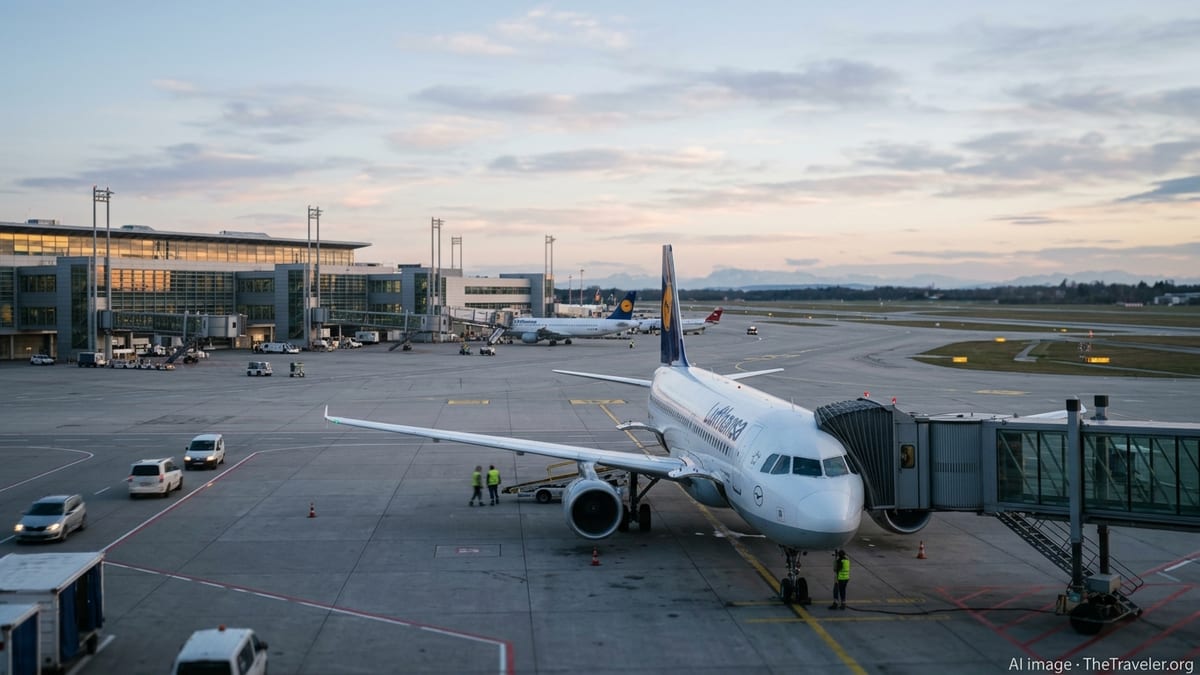
A Strategic Gap in Lufthansa’s Network Finally Closes
The Munich–Istanbul route has long been considered a missing piece in Lufthansa’s European network. Published aviation data and industry coverage indicate that the airline last operated scheduled passenger services on the pairing until October 2015, leaving a notable gap between its Bavarian hub and Turkey’s largest city for roughly a decade.
While Lufthansa continued to serve Istanbul from Frankfurt and relied on partners such as Turkish Airlines and SunExpress to help bridge flows between Germany and Turkey, the absence of a nonstop option from Munich stood out as travel demand rebounded. Analysts have repeatedly highlighted the strong cultural, business and diaspora links between southern Germany and Turkey, along with the importance of Istanbul as a major connecting hub in its own right.
The decision to bring back Munich–Istanbul with daily flights effective March 29, 2026, marks a shift in strategy at the Munich hub. Reports on the route resumption describe it as part of a broader effort to sharpen Munich’s profile within the Lufthansa Group network, giving the southern German hub a more competitive mix of European and long-haul connections.
Industry observers note that Lufthansa has been steadily rebuilding and reshaping its short- and medium-haul maps from Munich, with new and revived links to Turkish destinations such as Izmir already scheduled in recent seasons. The reinstatement of Istanbul adds a high-profile city pair that aligns with this wider push.
Daily Schedule Designed for Connections
According to schedule filings and booking engines, the renewed Munich–Istanbul service will launch as a daily round trip, timed to feed both local demand and connecting flows. A typical pattern for the route shows a mid-evening departure from Munich, arriving into Istanbul around midnight local time, with a daytime return from Istanbul into Munich.
The chosen timings are expected to dovetail with Lufthansa’s wider network. Evening departures out of Munich can capture late-arriving European and domestic feeders, while early-afternoon departures from Istanbul back to Germany plug into late-afternoon and evening long-haul waves. This structure gives travelers from Turkey one-stop access via Munich to North America and Asia, and offers European travelers an efficient gateway into Istanbul and beyond.
Aviation schedule services list the route at around 2 hours 50 minutes flying time, reflecting the relatively short distance between southern Germany and northwest Turkey. Narrowbody aircraft such as Airbus A320-family jets are expected to operate the service, offering a familiar dual-class product with both business and economy cabins and a mix of point-to-point and transfer passengers.
For Munich Airport, which already handles a dense bank of European departures and arrivals, the reintroduction of Istanbul adds another anchor destination in southeastern Europe, reinforcing the hub’s role as a key transfer point between intra-European traffic and intercontinental services.
Boost for Europe–Turkey Travel and Tourism
The return of daily passenger flights between Munich and Istanbul comes against a backdrop of sustained demand for travel between Europe and Turkey. Tourism bodies and market reports describe Turkey as one of Europe’s most popular outbound destinations, particularly among German travelers seeking city breaks in Istanbul as well as beach and cultural holidays in other parts of the country.
In recent seasons, airlines across Europe have expanded capacity to Turkish destinations including Istanbul, Izmir, Antalya and Bodrum, reflecting both leisure appeal and strong visiting-friends-and-relatives traffic. Lufthansa’s decision to bring back the Munich–Istanbul route aligns with these trends and adds another premium-branded option for travelers who value through-ticketing, frequent flyer benefits and coordinated connections.
Travel specialists point out that the revived route is likely to stimulate competition on the Munich–Istanbul corridor, where other carriers and alliance partners already offer options via connecting hubs. By placing its own metal back on the route with daily frequencies, Lufthansa can better capture high-yield corporate and connecting passengers and reinforce loyalty among Miles & More members in southern Germany, Austria and neighboring markets.
The move also has implications for Istanbul’s position as a gateway for travelers originating in central Europe. With a nonstop link from Munich, passengers can more easily combine Istanbul with other Turkish destinations, whether by domestic flights from Istanbul Airport or by surface transport, adding flexibility for both business and leisure itineraries.
Munich Hub Strengthening Amid Wider Network Adjustments
The Munich–Istanbul restart fits into a wider pattern of route adjustments and growth at Lufthansa’s Munich hub. In recent years, the airline group has deployed additional long-haul capacity from Munich, introduced new short- and medium-haul connections, and launched or expanded subsidiaries such as Lufthansa City Airlines to serve regional European markets.
Corporate reports and investor presentations emphasize Munich’s role as a premium-focused hub with strong connectivity to central and eastern Europe, the Alpine region and northern Italy. Adding Istanbul to the roster aligns with that positioning, giving the hub another major city on the crossroads of Europe and Asia and strengthening its competitive standing against other European gateways.
At the same time, Lufthansa has been reshaping its network to match shifting demand patterns, moving widebody aircraft between Frankfurt and Munich and rebalancing seasonal leisure routes. The decision to restore Munich–Istanbul as a daily year-round service from the start of the 2026 summer timetable indicates confidence in the underlying demand rather than a purely seasonal experiment.
For Munich Airport, the return of Lufthansa’s passenger service to Istanbul complements existing cargo operations between the two cities, which were expanded earlier in the decade. Airport-focused analyses suggest that combining freight and passenger capacity on a city pair often helps to deepen commercial links and improve the economic case for maintaining frequencies over the long term.
What Travelers Can Expect on the Revived Route
Travelers booking the renewed Munich–Istanbul flights can expect a standard Lufthansa short- to medium-haul product, with assigned seating, tiered fare options and connectivity to the wider Lufthansa Group network. Publicly available information from the airline’s booking channels indicates that the nonstop flights will be marketed with through-fare options to and from destinations across Europe, North America and Asia, using Munich as the transfer point.
Typical onboard features include a dedicated business class cabin with blocked-middle seating on narrowbody aircraft, complimentary meals or snacks depending on fare and cabin, and access to Lufthansa’s digital services for check-in, boarding passes and in-flight information. Status customers and premium-cabin passengers traveling via Munich will continue to have access to the hub’s lounges, which have been progressively refurbished in recent years.
For price-sensitive passengers, the return of daily nonstops adds another competitive option on a route where itineraries have often required connections through other hubs. Advance-purchase economy fares displayed for future travel windows show that the market is being actively priced, suggesting that both corporate and leisure customers will have a range of choices once the route goes live.
With tickets now appearing in schedules and booking systems for travel from late March 2026 onward, the Munich–Istanbul link is poised to become one of the more closely watched European route restarts of the coming summer season, illustrating how airlines are fine-tuning their networks as travel demand between Europe and Turkey continues to strengthen.