

More news on this day
Air travelers across Europe and beyond are facing another round of disruption in Germany, as a pilot strike at Lufthansa and related schedule cuts by partner carriers trigger the cancellation of more than a dozen flights serving Paris, Delhi, Madrid, Brussels, Barcelona, Munich, Stockholm, Copenhagen and other major hubs.
Get the latest news straight to your inbox!
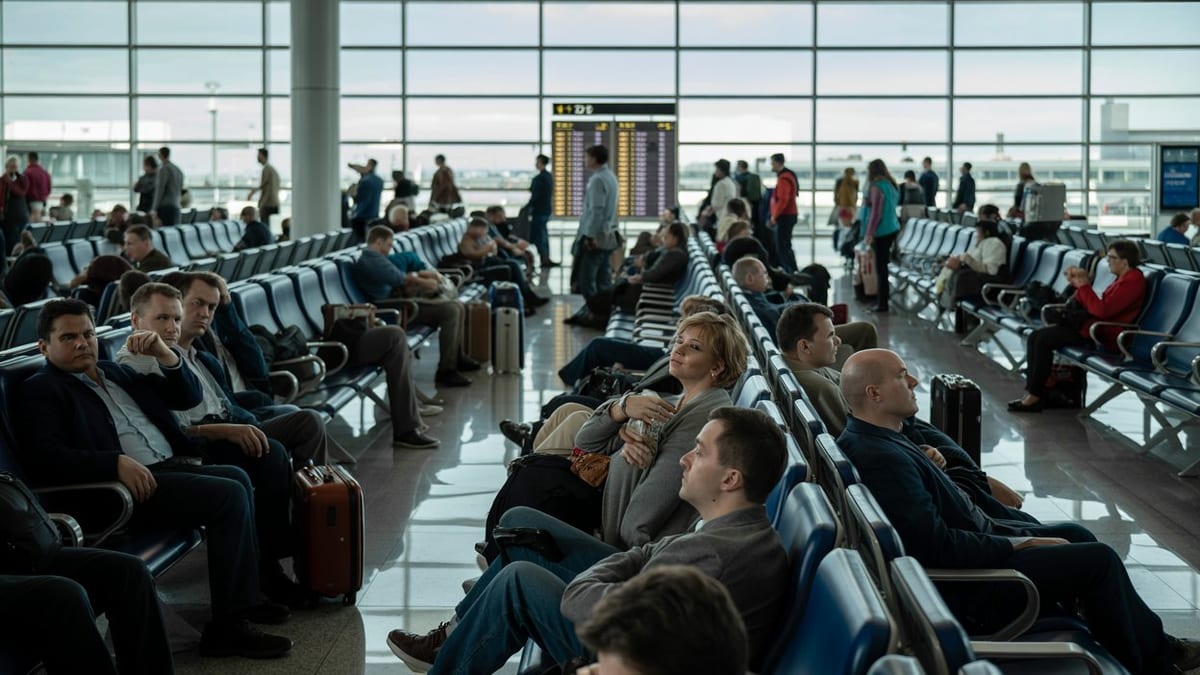
Image by Global Travel Alerts, Advisories, International Travel Alerts
Strike in Germany Ripples Across European and Long Haul Networks
Published coverage in Germany and international aviation forums indicates that a coordinated walkout by Lufthansa cockpit crews in mid March has forced the airline to enact a reduced timetable at key hubs, notably Frankfurt and Munich. A special contingency schedule for dates around 18 to 20 March shows sharply slimmed operations on core European routes connecting Germany with France, Spain, Belgium and the Nordic region.
The cuts include multiple services to Paris, Madrid, Barcelona, Brussels, Stockholm and Copenhagen, with some rotations removed entirely and others consolidated into fewer departures. While the overall number of flights still operating remains significant, travelers on affected routes have reported short notice cancellations and rebookings spread across the three day period.
Travel industry monitoring suggests that the industrial action has hit short haul routes hardest, as Lufthansa prioritizes long haul connections where possible. However, certain intercontinental services, including flights feeding onward to Delhi and other major Asian destinations via German hubs, have also seen disruptions when connecting sectors within Europe are removed from the schedule.
Images from Frankfurt Airport on 12 March show departure boards studded with cancellations, highlighting the scale of the operational challenge even before the full strike window began. The resulting knock on effects are being felt not only in Germany but across airports that depend on its hubs for onward connectivity.
Key Routes Affected: Paris, Delhi, Madrid, Brussels and Barcelona
According to publicly available timetables and the condensed Lufthansa special schedule, routes between Germany and major European capitals are bearing the brunt of the cancellations. Services from Munich and Frankfurt to Paris, Madrid, Brussels and Barcelona appear repeatedly on lists of reduced or cancelled flights during the current disruption period.
Travelers on Spain bound services report particular pressure on morning and evening departures to Madrid and Barcelona, with some seeing their original flights removed and new itineraries proposed via alternative German hubs or partner airlines. In some instances, passengers have been rebooked on flights a full day later than originally planned when same day options were no longer available.
Connections between Germany and India are also indirectly impacted. While non stop long haul links are being maintained where possible, cancellations on feeder flights into Frankfurt and Munich from elsewhere in Europe can break carefully timed itineraries to Delhi. Passengers originating in secondary European cities and routing to India via Germany face the greatest risk of missed connections and extended layovers.
Travel data shared by passenger groups shows individual bookings involving onward travel to Delhi being reshuffled as their initial intra European legs are cancelled under the revised schedule. For many, this has meant last minute rerouting through alternative hubs outside Germany or changes in departure dates to secure a workable connection.
Nordic and Intra European Links See Rolling Disruptions
The disruption is not limited to high profile capital city routes. The special schedule circulating for mid March includes adjustments on several intra European services linking German hubs with Stockholm, Copenhagen and other Scandinavian gateways. These flights play an important role for both business travelers and leisure passengers heading to or from northern Europe.
Reports from affected travelers indicate that some services between Munich and Stockholm or Copenhagen have been consolidated, with seat capacity shifted onto a reduced number of departures. In practical terms, this has translated into overbooked alternate flights, longer travel days and, for some passengers, unexpected overnight stays when same day alternatives were unavailable.
Within Germany, certain domestic legs feeding into the international network have also been trimmed, compounding the effect on onward journeys. When a short domestic hop into Frankfurt or Munich is cancelled, passengers can lose access to their long haul connection even if that intercontinental flight is still scheduled to depart.
Travel advisors monitoring the situation note that the pattern of cancellations can change as labor negotiations evolve, which makes it difficult for passengers to predict which specific flight numbers will ultimately operate until close to departure.
What Travelers Need to Know and How to Minimize Disruption
Consumer organizations and travel media recommend that anyone booked on Lufthansa or its German operated partners over the affected period pay close attention to their booking status and airport departure boards. Given the rolling nature of the industrial action and schedule cuts, flights that appear to operate normally in the morning can still be removed or retimed later in the day.
Passengers connecting through Frankfurt or Munich on their way to cities such as Paris, Brussels, Madrid, Barcelona, Stockholm or Copenhagen are advised to allow additional buffer time, particularly if their itinerary involves separate tickets. Those on complex multi leg journeys to long haul destinations like Delhi may wish to explore alternative routings or request rebooking onto carriers less exposed to the German network.
Travel law specialists point out that European passenger rights regulations generally provide for care, assistance and, in many cases, compensation when cancellations occur at short notice for flights departing from the European Union or operated by EU carriers. However, the exact entitlements depend on distance, timing and the circumstances of the disruption, so travelers are encouraged to document their delays, keep receipts and check the latest guidance before submitting claims.
In the current situation, flexibility remains the most valuable asset for affected passengers. Where possible, travelers may benefit from voluntarily moving to earlier or later departures that are confirmed to operate under the special schedule, or from routing through alternative hubs in other countries that are not directly impacted by the industrial action in Germany.
Outlook for the Coming Days
Industry observers note that while the immediate wave of cancellations linked to the mid March strike has been concentrated over a limited number of days, the aftershocks may continue as airlines reposition aircraft and crews. Some routes may take longer to return to their normal frequencies, especially where demand is seasonal or where alternative carriers have already absorbed displaced passengers.
Published information from Lufthansa indicates that the airline is working with a leaner schedule for the affected period, designed to provide a degree of reliability on the flights that do operate. For travelers, this means fewer choices on popular corridors such as Germany to Paris, Madrid and Barcelona, but a somewhat clearer picture of which services are most likely to run.
For now, travelers with imminent plans involving Germany should check their bookings repeatedly in the days and hours before departure and be prepared for itinerary changes even once their journey has begun. As negotiations between airline management and pilot representatives continue, further updates to the flight program cannot be ruled out, and additional cancellations on routes to Paris, Delhi, Madrid, Brussels, Barcelona, Munich, Stockholm, Copenhagen and other hubs remain a possibility.