

More news on this day
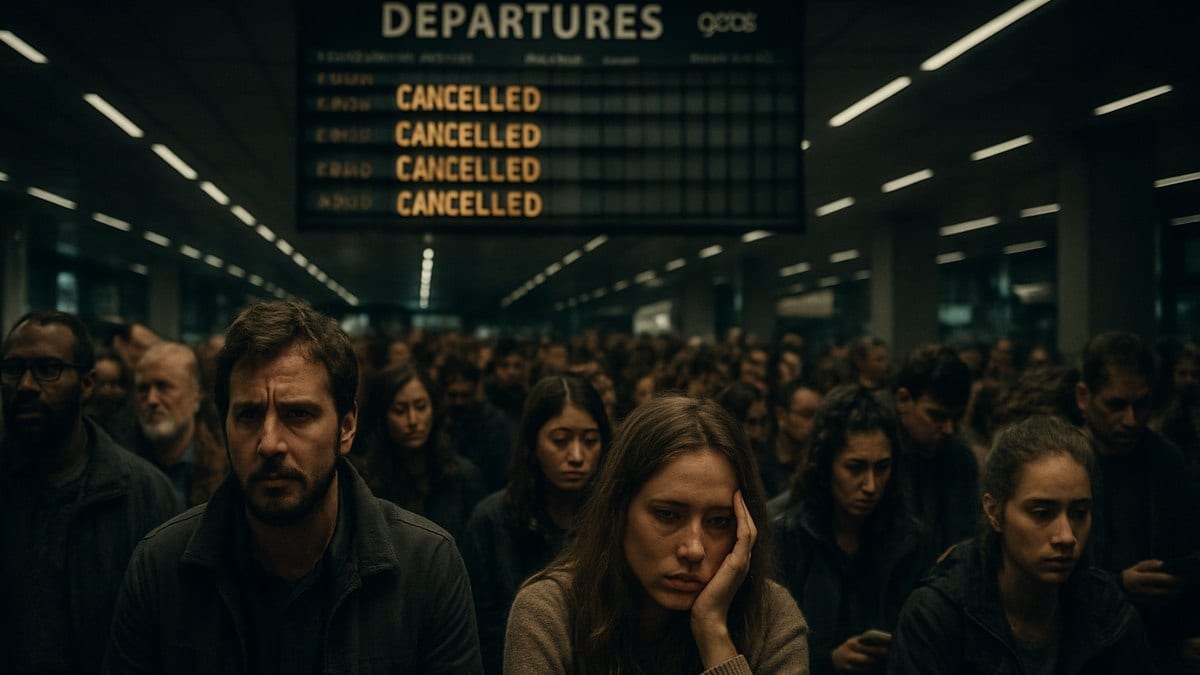
A one day strike by Lufthansa cabin crew has forced the cancellation of more than 900 flights at the airline’s Frankfurt and Munich hubs, disrupting travel plans for over 90,000 passengers during the busy post Easter return period.
Get the latest news straight to your inbox!
Major Disruption at Germany’s Busiest Hubs
Published coverage indicates that Lufthansa’s mainline operations at Frankfurt and Munich were heavily curtailed as the walkout unfolded on Friday, April 10. Schedules at both airports were significantly reduced, with most departures on Lufthansa metal from the two hubs removed from the boards.
At Frankfurt Airport, reports show that roughly 580 flights out of about 1,350 planned arrivals and departures were canceled, affecting tens of thousands of travelers connecting through one of Europe’s key intercontinental gateways. Munich, the group’s secondary hub, saw around 400 services grounded, leading to crowded terminals and lengthy rebooking queues for stranded passengers.
Publicly available information from aviation data services suggests that the disruption extended beyond point to point traffic. Many long haul journeys and European itineraries that typically rely on onward connections from Frankfurt and Munich were interrupted, forcing reroutings via other hubs and overnight stays for passengers unable to secure same day alternatives.
While some routes were partially maintained through Lufthansa Group subsidiaries and partner carriers, the overall level of service at both hubs remained far below normal. Airlines sharing codes with Lufthansa were also affected as their customers found themselves without the Lufthansa operated legs needed to complete their trips.
Strike Timing Hits Post Easter Return Travel
The industrial action came at a particularly sensitive moment in the German travel calendar. Regional Easter school holidays are drawing to a close in several federal states, and many families and leisure travelers were relying on Friday flights to return home in time for the new week.
According to published coverage, the cabin crew union involved had previously refrained from striking over the core Easter days, when outbound and peak holiday traffic was at its highest. By scheduling the walkout for the end of the holiday period instead, the action targeted the heavy wave of return journeys while attempting to avoid the politically sensitive optics of grounding travelers at the very start of their vacations.
Nevertheless, airlines and airports reported that the timing still caused substantial inconvenience. Holidaymakers returning from Mediterranean and long haul destinations often connect via Frankfurt or Munich, and the cancellation of feeder or onward segments left many travelers stuck at intermediate points, unable to complete the final legs of their journeys.
Travel industry observers note that the strike also coincided with a broader rebound in European air demand compared with earlier years. Load factors on many routes are higher than during the immediate post pandemic period, leaving less spare capacity to absorb displaced passengers when a major carrier grounds large parts of its schedule.
Union Demands and Lufthansa’s Response
The latest stoppage is part of an ongoing labor dispute between Lufthansa and the Independent Flight Attendants’ Organisation, known in Germany by its acronym UFO. Public statements from the union in recent weeks have focused on pay increases to offset inflation, as well as improvements to working conditions and scheduling stability for cabin crew.
Lufthansa has previously indicated through company statements that it is seeking to limit cost growth while still offering what it describes as competitive pay packages in the European airline market. Earlier industrial action and strike calls at other staff groups within the Lufthansa Group this year have highlighted the wider pressure on the company’s wage bill.
Negotiations between management and the union have been taking place intermittently, but the failure to reach a deal ahead of the April 10 deadline prompted the 22 hour walkout. Analysts following the dispute suggest that additional actions remain possible if talks do not progress, raising the prospect of further disruption as the spring and early summer travel seasons approach.
For the moment, publicly reported information indicates that Lufthansa is attempting to balance contingency planning for future strike days with efforts to restore normal operations swiftly once staff return to work. However, the scale of Friday’s cancellations highlights the leverage that a focused walkout at the group’s two primary hubs can exert over the entire network.
Ripple Effects Across Germany and Beyond
Although Frankfurt and Munich experienced the most severe impact, the strike also triggered knock on effects at other German airports and selected European destinations. Regional bases such as Hamburg, Berlin, Stuttgart, Düsseldorf and Cologne reported cancellations or significant schedule adjustments on domestic and feeder services that rely on Lufthansa crews and aircraft rotating through the system.
Travel advisories from multiple German airports pointed to clusters of canceled flights on domestic routes into and out of Frankfurt and Munich, as well as some short haul European services. At Berlin Brandenburg, for example, a portion of the day’s flights to the two hubs were removed, leaving passengers with limited same day alternatives on competing carriers.
Beyond Germany, travelers in neighboring countries and further afield also felt the effects. Long haul passengers connecting through Frankfurt and Munich from North America and Asia saw their European legs disrupted, while some outbound flights from secondary European cities were canceled due to aircraft and crew being out of position. Tour operators and corporate travel managers reported having to rebook clients through rival hubs such as Zurich, Vienna, Amsterdam and Paris.
Aviation analysts point out that modern hub and spoke networks are particularly vulnerable to concentrated industrial action at central nodes. When two primary transfer points like Frankfurt and Munich are simultaneously constrained, schedule recovery can take several days even after a formal strike period ends, as aircraft, crews and passenger flows are slowly realigned.
What Affected Passengers Can Do
Consumer rights organizations and travel law specialists emphasize that passengers whose flights were canceled or severely delayed in connection with the Lufthansa strike may be entitled to assistance and, in many cases, financial compensation, depending on the circumstances of their journey.
Guidance published by several passenger advocacy groups explains that travelers on affected Lufthansa and Lufthansa CityLine flights within the European Union, or departing from EU airports, generally have rights to rebooking at the earliest opportunity, care such as meals and accommodation during long waits, and in some cases fixed sum compensation when cancellations are announced at short notice.
Industry advisories recommend that impacted travelers retain boarding passes, booking confirmations and receipts for any additional expenses, and make use of the airline’s official channels or specialized claims services to pursue their cases. Travelers whose itineraries involve multiple carriers are advised to pay close attention to which airline operated each segment, as this can affect entitlement.
With the possibility of further labor action not fully excluded, travel experts suggest that passengers planning near term trips with Lufthansa build additional flexibility into their itineraries where possible. Monitoring flight status closely in the days before departure, considering earlier departures at peak times, and ensuring that accommodation and ground transport bookings are refundable can all help to mitigate the impact of potential future disruption.