

More news on this day
Lufthansa’s newly expanded long-haul schedule, which boosts service to South Africa, Brazil and several United States cities from 2026, marks one of the carrier’s most ambitious network moves since the pandemic and promises faster, more flexible itineraries for both leisure and business travelers.
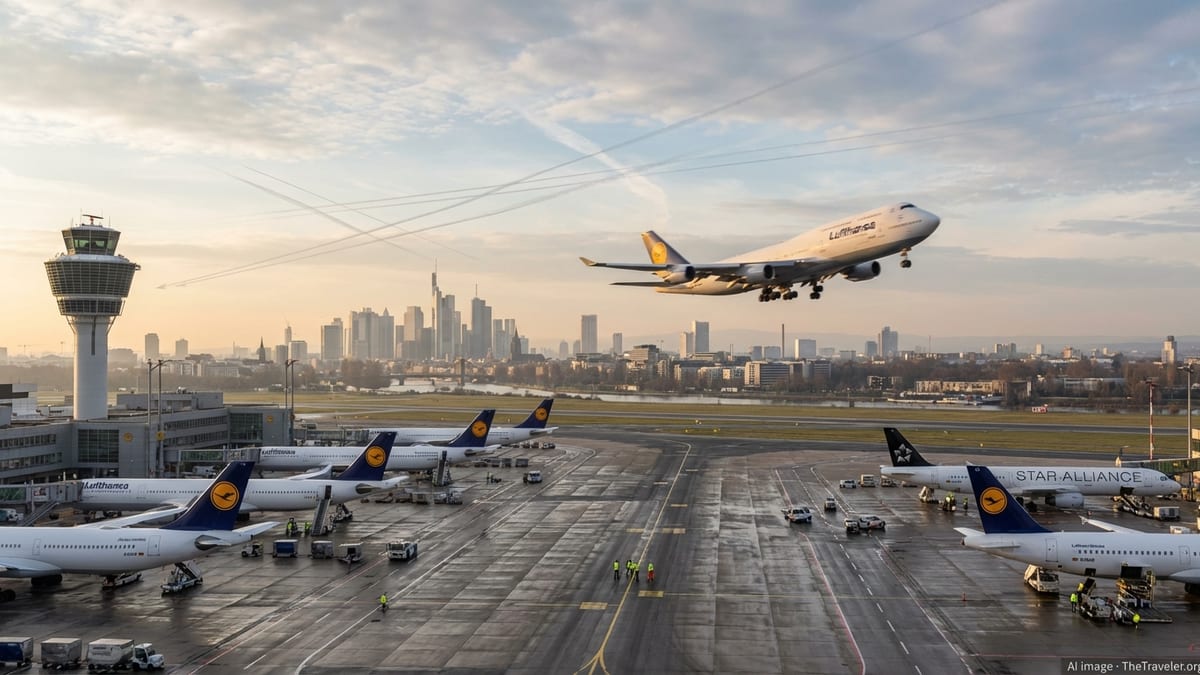
Lufthansa’s 2026 Network: How South Africa Fits into a Global Push
The Lufthansa Group has outlined a summer 2026 schedule that will see its airlines operate more than 14,000 weekly connections to 330 destinations in around 100 countries, underscoring the central role of Frankfurt and Munich as intercontinental gateways. Within that broader expansion, South Africa stands out as a strategic pillar alongside new links to Brazil and a reinforced footprint in the United States.
For travelers, that strategy translates into more direct long-haul options and better one-stop connections across three continents. By ramping up flights to Johannesburg and adding more capacity into Cape Town via Frankfurt, Lufthansa is reinforcing South Africa’s place on the global tourism and trade map at the same time as it strengthens ties with major markets in North and South America.
The network realignment is not happening in isolation. It comes as other global carriers add frequencies to African, Brazilian and US gateways, and as South African Airways rebuilds its own long-haul partnerships. Taken together, the changes suggest a more competitive environment and more choice for passengers booking complex multi-continent trips.
While the focus in airline statements is often on aircraft types and frequencies, the underlying story is about connectivity. The new schedule is designed to let a traveler in Cape Town or Johannesburg reach cities such as St Louis or Rio de Janeiro with a single, coordinated connection, something that only a few years ago would have required multiple carriers or circuitous routings.
New and Expanded Routes Linking South Africa, Brazil and the United States
In southern Africa, Lufthansa is extending Johannesburg, served from Munich, into the summer 2026 timetable after bringing it back for winter 2025/2026. Cape Town, already a popular seasonal destination, will benefit from a frequency increase on the Frankfurt route, moving from three to five weekly flights from April 2026 according to industry schedule filings. That upgrade reflects steadily rising demand for both leisure and visiting-friends-and-relatives traffic into the Western Cape.
At the same time, the airline is strengthening its presence in Brazil. São Paulo, a key South American hub for European connections, will be maintained three times weekly from Munich in summer 2026 after returning to the long-haul map in the preceding winter. Rio de Janeiro sees its Frankfurt services ramped up to six times weekly, providing more options for travelers heading between Europe, the Brazilian coast and onward destinations across the region.
Across the Atlantic, Lufthansa is adding more links to the United States. Frankfurt will gain new or reinforced services to cities such as St Louis and Raleigh-Durham, as well as increased frequencies to Washington, while Munich continues to build out its network to markets like Seattle. For travelers in South Africa and Brazil, these US additions matter because they create more one-stop itineraries via German hubs, often with coordinated schedules that shorten overall journey times.
The result is a triangular pattern of connectivity: South Africa in the south of the African continent, Brazil on the Atlantic edge of South America and a series of US gateways across the Midwest and East Coast, all tied together through Frankfurt and Munich. For multi-destination trips that might include, for example, Cape Town, Rio and a stop in the United States, the schedule evolution makes such itineraries more practical and often more competitively priced.
What Travelers Can Expect on the South Africa Routes
For passengers flying to and from South Africa, the most visible change in 2026 will be a broader choice of departure days and improved seat availability, especially during peak seasons. Cape Town’s increase to five weekly flights from Frankfurt opens more windows for travelers who previously needed to plan around limited operating days, which often led to higher fares and tighter competition for award seats.
Johannesburg’s continued presence in the Munich schedule adds a second European hub option alongside Frankfurt for much of the year. This can be particularly useful for travelers heading onward to destinations in Central and Eastern Europe, or to secondary cities in Germany, Austria and Italy that are more conveniently reached via Munich. For South African residents and inbound tourists alike, the dual-hub approach means more combinations of departure times, connection patterns and fare structures.
On board, Lufthansa plans to use fuel-efficient widebody aircraft such as the Airbus A350-900 and Boeing 787-9 on key African routes, including Johannesburg and Cape Town. These newer-generation jets tend to offer lower cabin noise, improved air quality and modern seat products compared with older long-haul aircraft. Business-class passengers can expect lie-flat seating, while premium economy and economy cabins benefit from updated in-flight entertainment and more contemporary cabin design.
Operationally, travelers should be aware that seasonal adjustments will still apply. Certain frequencies may fluctuate in June, July and other shoulder periods based on demand. Checking flight calendars carefully when making bookings for 2026 will remain important, especially for those planning time-sensitive connections to cruises, safari lodges or major events in South Africa or Europe.
How Brazil and US Connections Enhance South African Itineraries
The expansion in Brazil and the United States is not only of interest to local markets; it also unlocks additional options for travelers starting or ending their journeys in South Africa. With Munich and Frankfurt serving as junction points, a traveler departing Johannesburg could reach São Paulo, Rio de Janeiro or St Louis with a single connection, instead of routing through multiple hubs in the Middle East or across Europe and North America.
In Brazil’s case, strengthened links to São Paulo and Rio de Janeiro give South African passengers more access to Latin America’s largest aviation market. From those Brazilian gateways, a wide range of regional carriers offer onward services to domestic destinations such as Recife, Salvador or Porto Alegre, as well as neighboring countries. For business travelers, the ability to combine Johannesburg, Frankfurt and São Paulo on one ticket with harmonized schedules simplifies complex corporate itineraries.
In the United States, the addition of St Louis to the Frankfurt network and increased frequencies to established gateways such as Washington support greater connectivity from Africa and South America into the American Midwest and East Coast. For example, a traveler from Cape Town heading to a secondary US city like Kansas City or Raleigh-Durham can often connect via Frankfurt in a single booking, keeping travel within one alliance ecosystem and reducing the likelihood of missed connections or baggage issues.
This growing web of intercontinental links also benefits the sizable diaspora communities with ties to both South Africa and Brazil or the United States. More flight choices and more consistent schedules make it easier to plan family visits, study abroad programs or multi-stop holidays that combine safari itineraries with city breaks in Rio, New York or Washington.
Competitive Landscape: South African Airways and Global Partners
Lufthansa’s moves come as South African Airways and other regional players pursue their own strategies to rebuild and extend international connectivity. South African Airways has been working with partners such as TAAG Angola Airlines on codeshare agreements that open new routings via Luanda to destinations including São Paulo and Lisbon, giving travelers yet another set of options for linking South Africa with Brazil and Europe.
Meanwhile, Middle Eastern carriers and European rivals are also active on the South Africa, Brazil and US corridors. Emirates, Qatar Airways, Air France-KLM, British Airways and others have been adjusting capacity in response to rising tourism and trade flows. For passengers, this heightened competition can translate into more aggressive pricing during off-peak periods, added promotional fares and a wider choice of cabin products.
In this context, Lufthansa’s decision to sustain and boost capacity into Johannesburg and Cape Town, while reinforcing links to Brazil and the United States, is a clear signal that the group sees long-term potential in triangulating these markets. The German carrier’s membership in Star Alliance, together with its joint ventures and codeshares, underpins a network that allows seamless ticketing and through-checking of baggage across numerous partner airlines.
However, a more crowded marketplace also means that schedules will remain fluid. Airlines may still tweak frequencies or swap aircraft types as fuel prices, economic conditions and geopolitical factors evolve. Travelers planning ahead for 2026 should keep an eye on schedule updates and consider booking flexible fares when itineraries involve several long-haul sectors.
Implications for Fares, Booking Strategies and Frequent Flyers
More capacity between South Africa, Brazil, Europe and the United States generally exerts downward pressure on fares over the medium term, especially when multiple airlines compete on overlapping city pairs. While peak-season prices are likely to remain elevated, the additional Lufthansa flights and expanded onward connections should create more opportunities for travelers to find competitive deals during shoulder and off-peak months.
For price-sensitive travelers, the key will be to take advantage of increased frequency to shop across midweek and weekend departures, and to consider using German hubs as alternatives to traditional connection points such as London, Paris or the major Gulf airports. Those willing to route via Frankfurt or Munich may find that the combination of schedule convenience and pricing makes Lufthansa a strong contender for trips linking South Africa with Brazil or the United States.
Frequent flyers stand to gain from the network build-out. Members of Lufthansa’s loyalty program and those of partner airlines within Star Alliance will have more chances to accrue and redeem miles on long-haul routes, particularly with the upgrade in capacity to Cape Town and the continuation of Johannesburg and São Paulo in the summer schedule. Extra frequencies also mean more inventory for award tickets, though demand for prime dates will remain intense.
At the same time, travelers should pay close attention to minimum connection times and alliance benefits when stitching together multi-continent journeys. A carefully planned one-stop itinerary via Frankfurt or Munich can be more time-efficient than a cheaper, but less coordinated, multi-stop routing. Use of through tickets rather than separate point-to-point bookings can provide better protection in the event of delays or disruptions.
Travel Planning Tips for 2026 and Beyond
With airlines publishing schedules for the 2026 northern summer and beyond, travelers eyeing trips that combine South Africa, Brazil and the United States should start mapping out potential routes early. Safari bookings, wine country stays near Cape Town and marquee events in Rio or major US cities often sell out months in advance, so ensuring that flights align with ground arrangements will be crucial.
One practical approach is to treat Frankfurt or Munich as flexible pivot points. Travelers might, for example, choose to fly into Johannesburg and out of Cape Town, connect through Frankfurt to Rio de Janeiro, then continue to the United States before returning home. The expanded Lufthansa schedule makes such open-jaw and multi-city itineraries more feasible, but they still require careful coordination of flight times and minimum layovers.
Travelers should also remain mindful of visa rules, transit requirements and schedule variability. While Germany generally offers straightforward transit procedures for many nationalities, requirements can differ depending on citizenship and length of stay. Similarly, entry regulations for Brazil, South Africa and the United States can change, so checking official government sources before confirming complex itineraries remains essential.
As 2026 approaches, Lufthansa and competing carriers are likely to refine their timetables further. Keeping an eye on announcements, using fare alerts and working with experienced travel advisors or corporate travel departments can help passengers make the most of the new links connecting South Africa with Brazil, the United States and the wider world.