

More news on this day
Lufthansa Group is rolling out a new real-time turbulence technology across Lufthansa, SWISS and Edelweiss flights, promising calmer, more predictable journeys for passengers in Germany, Switzerland and on long haul routes worldwide.
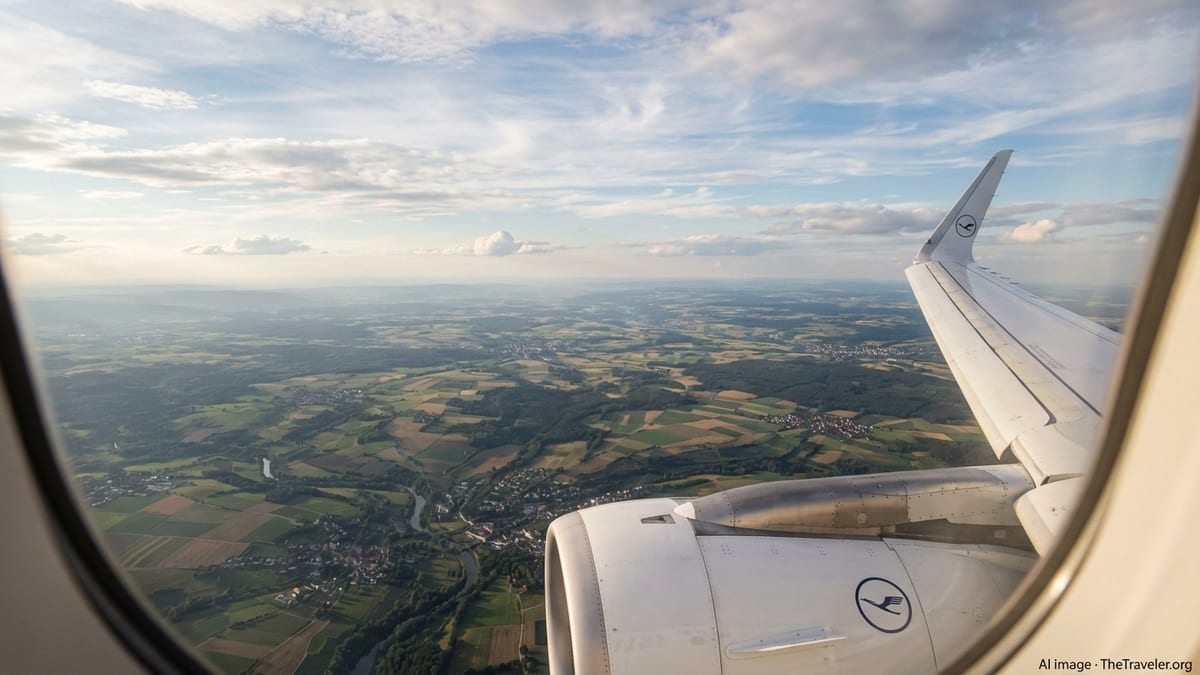
Real-Time Turbulence Data Comes to the Cockpit
The Lufthansa Group has joined IATA’s Turbulence Aware program, a fast-growing global data platform that uses live turbulence measurements from thousands of aircraft to improve flight safety and comfort. The decision, announced this week, means Lufthansa, Swiss International Air Lines and Swiss leisure carrier Edelweiss will now both supply and receive high resolution turbulence information on every participating flight.
Instead of relying only on conventional weather forecasts and pilot reports, aircraft equipped for the program continuously measure turbulence intensity during flight. These anonymized data points are transmitted to a central database, which aggregates inputs from airlines around the world. Within moments, the latest readings are fed back to cockpits as part of a dynamic, constantly updated turbulence map.
For Lufthansa Group pilots, that map appears directly on their existing navigation displays. Color coded symbols show the location, flight level, time and expected intensity of reported turbulence along and around their route. The result is a far more detailed and timely view of atmospheric conditions than has been possible with traditional tools alone.
Crucially, the system does not replace meteorology but enhances it. Forecast models still inform broad route planning, while the turbulence platform gives crews a near-live picture of what aircraft ahead are actually encountering, closing the gap between prediction and reality.
What This Means for Passengers in Germany, Switzerland and Beyond
For travelers departing from major hubs such as Frankfurt, Munich, Zurich and Geneva, the most noticeable change will be fewer unexpected jolts and clearer communication about when to stay seated. With the new technology, crews can better anticipate rough patches and adjust altitude or routing earlier, often before passengers feel any significant shaking.
The Lufthansa Group says the system is designed to make flights calmer, safer and easier to plan, with a particular focus on minimizing so called clear air turbulence that cannot be seen on weather radar. When avoidance is not possible, the data still helps crews prepare the cabin in advance, securing service items, pausing trolley movements and encouraging passengers to fasten seat belts before the aircraft reaches bumpier air.
On long haul routes from Europe to North America and Asia, where jet stream related turbulence can be frequent, the benefits could be especially tangible. Because IATA’s platform pools data from many different airlines, Lufthansa and SWISS flights can use turbulence information collected minutes earlier by other carriers flying along similar tracks.
While the technology will not eliminate turbulence altogether, it aims to reduce the element of surprise. The airline group expects a smoother overall experience, fewer injuries linked to passengers or crew not being strapped in, and less disruption to in flight service.
How the System Changes Crew Operations
Behind the scenes, the new turbulence tools are reshaping how cockpit and cabin crews plan each phase of a flight. Before departure, dispatchers can use the shared data to refine route choices and altitude profiles, weighing fuel efficiency against likely turbulence exposure. During the climb and cruise, pilots can compare forecast charts with real time readings as they decide when to request a level change or minor route deviation from air traffic control.
Because the data is visual and continuously refreshed, crews can coordinate more precisely with each other. Pilots are able to brief cabin managers on specific segments where conditions are expected to deteriorate, allowing them to adjust meal timings, secure galleys earlier and schedule staff breaks around rougher portions of the journey.
The Lufthansa Group highlights that every measured turbulence event from its aircraft is also transmitted to the German Weather Service. Meteorologists there use the information to calibrate and improve forecast models over time, creating a feedback loop that should gradually enhance predictions for all airspace users above Central Europe and beyond.
For flight attendants, better predictability can mean fewer rushed announcements and emergency secure procedures. For pilots, it offers a new layer of decision support that complements their own experience and judgement, particularly in busy corridor airspace where tactical routing choices must be made quickly.
Part of a Wider Digital and Safety Push
The adoption of turbulence aware technology comes as Lufthansa Group invests heavily in digital tools and training across its network. In Switzerland, Edelweiss has recently introduced virtual reality based cockpit procedure training in partnership with Lufthansa Aviation Training, allowing pilots to rehearse flows and checklists in 3D before entering full flight simulators. This combination of advanced training and real time operational data is central to the group’s strategy of raising safety and efficiency standards.
By joining IATA’s turbulence platform, Lufthansa and its sister airlines are also contributing to a much larger, industry wide shift toward data driven safety management. Regulators and manufacturers have encouraged airlines to exploit the vast streams of flight data routinely recorded on modern jets, using analytics to spot patterns and emerging risks long before they appear in statistics.
Turbulence related incidents remain relatively rare compared with the volume of flights, but they are among the leading causes of in flight injuries to passengers and cabin crew. Industry studies suggest that even modest reductions in unexpected severe turbulence encounters can have an outsized impact on safety outcomes and associated costs, from medical treatment to aircraft inspections and delays.
Within Europe, Lufthansa Group’s early participation may also encourage smaller carriers to connect their fleets to the same platform, increasing coverage in regional airspace and on secondary routes that feed into its hubs.
What Passengers Should Do Differently
Despite the promise of smoother flights, airlines stress that technology is only one part of the turbulence safety equation. Lufthansa and SWISS both continue to urge passengers to keep their seat belt loosely fastened whenever they are seated, even when the cabin sign is off. The new system can greatly reduce surprises, but it cannot guarantee perfectly smooth air along an entire route.
Travelers may hear more proactive announcements from cabin crew about upcoming light or moderate turbulence, reflecting the improved foresight the technology offers. Service pauses, early collection of meal trays or delayed hot drink rounds are now more likely to be based on specific, real time data rather than general caution.
For nervous flyers, the message from safety experts is that the skies over Germany, Switzerland and connecting long haul corridors are becoming more predictable, not less. Aircraft are built to withstand far greater forces than those typically experienced in turbulence, and the new tools give crews better information than ever before to avoid the worst of it.
In practice, many passengers may notice only subtle changes, such as slightly altered routings or smoother approaches into congested hubs on windy days. Yet those small adjustments are precisely what Lufthansa’s new turbulence technology is designed to enable, quietly reshaping the experience of modern air travel from the cockpit outward.