

More news on this day
Luxury cruises across the United States, France and wider international routes are rapidly evolving into floating galleries, with blue-chip works by artists such as Pablo Picasso and Andy Warhol, alongside Fabergé masterpieces, redefining how affluent travelers experience art and culture at sea.
Get the latest news straight to your inbox!
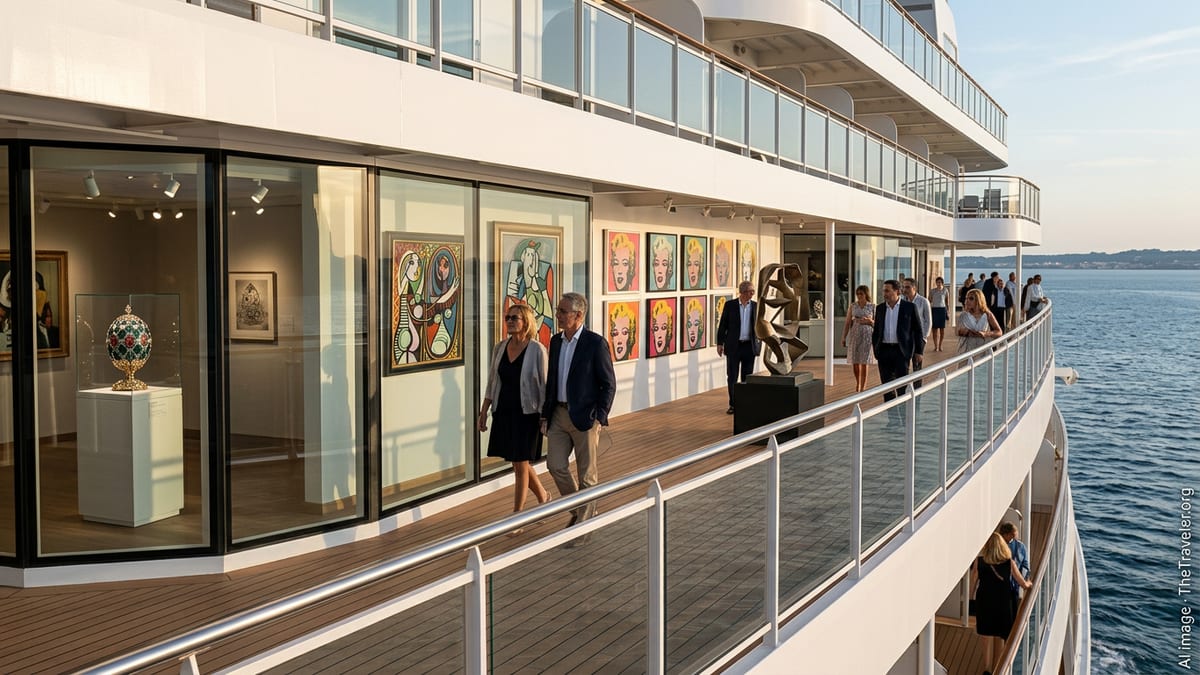
From Floating Hotels to Floating Galleries
Publicly available information shows that several luxury cruise lines now present multi-million-dollar onboard collections designed to rival land-based museums. Instead of decorative prints, passengers increasingly encounter original works and limited editions by modern masters, including Picasso and Warhol, alongside contemporary installations commissioned specifically for new-build ships.
Reports on recent ship launches indicate that art is no longer an afterthought in vessel design. Curators and design studios are engaged from the earliest stages to weave sculptures, paintings and digital pieces into atriums, stairwells and specialty restaurants. The resulting spaces encourage guests to linger, treating corridors as exhibition routes rather than mere passageways.
This shift reflects broader trends in high-end travel, where affluent guests expect culture and enrichment to be integrated into their itineraries. Cruise brands competing with boutique hotels and urban art districts view ambitious collections as a way to differentiate their newest ships and justify premium pricing.
For travelers embarking from major U.S. ports toward France, Spain or Northern Europe, these collections increasingly frame the voyage itself as an art-focused journey, connecting what is seen at sea with major museums and galleries ashore.
Fabergé at Sea: A New Era of Decorative Arts
One of the most striking developments in this space is the collaboration between Regent Seven Seas Cruises and the House of Fabergé. According to company and brand announcements, the partnership has produced “Journey in Jewels,” the first Fabergé egg created as a permanent exhibit at sea, installed aboard the ultra-luxury ship Seven Seas Grandeur.
The jewel-studded objet, inspired by ocean hues and the movement of waves, serves as the centerpiece of a broader collection of around 1,600 works distributed throughout the vessel. The Fabergé piece is presented within a dedicated setting, reinforcing its role as a cultural landmark and not merely a decorative accent.
Future sailings publicized for Seven Seas Grandeur include themed Fabergé voyages, on which brand representatives and heritage experts are scheduled to join select itineraries. These cruises are marketed as opportunities for guests to learn more about the history of Peter Carl Fabergé and the evolution of decorative arts while visiting European cultural capitals.
The presence of a Fabergé egg at sea marks a symbolic crossover between imperial-era craftsmanship and modern maritime luxury, signaling that ocean travel is becoming a serious venue for viewing objets d’art that were once confined to royal collections and major museums.
Picasso and Warhol: Iconic Names for Global Itineraries
Beyond Fabergé, cruise-focused publications and travel blogs highlight a growing emphasis on modern and contemporary art, with Picasso and Warhol frequently cited as marquee names. Some onboard galleries, often operated by specialist concessionaires, display limited-edition prints, ceramics or design objects linked to these artists, drawing passengers into curated shows and guided walk-throughs.
While the market value and rarity of such pieces vary widely, their presence on ships sailing from U.S. ports to France and the Mediterranean reinforces the connection between the voyage and iconic European art movements. Shore excursion brochures increasingly promote visits to the Musée Picasso in Paris or Picasso-focused museums in southern France and Spain as natural complements to art-forward experiences at sea.
Warhol’s recognisable pop art imagery also aligns with contemporary interior design trends on several new ships, where bold colors and graphic motifs appear in lounges and stairways. According to published coverage of recent launches, some vessels now devote entire decks to curated installations, encouraging guests to discover new works as they move between dining rooms, theaters and spas.
This emphasis on brand-name artists is intended to reassure discerning travelers that onboard collections have been thoughtfully assembled. It also reflects the broader luxury strategy of partnering with globally recognised cultural figures to elevate the perceived value of the cruise product.
Art Immersion Cruises in the United States and Europe
Alongside permanent collections, themed “art immersion” itineraries are emerging on both ocean and river cruises. In North America, reports highlight smaller U.S.-flagged ships offering itineraries that combine onboard workshops with visits to regional museums and artist colonies. These voyages are marketed to travelers who want structured opportunities to sketch, paint or photograph coastal landscapes.
In Europe, river cruise operators on the Seine and Rhône promote itineraries that link Paris, Lyon and Provence with guided tours of major institutions and lesser-known galleries. Schedules frequently include time at the Louvre, Musée d’Orsay or smaller museums devoted to specific artists, enabling passengers to see original works that echo themes introduced onboard.
Ocean-going lines operating from the United States to France and beyond are also expanding their enrichment programs. According to recent travel industry features, itineraries now pair onboard lectures and art walks with shore excursions focused on impressionist sites in Normandy, modern art districts in Marseille or contemporary spaces in Barcelona.
This combination of sea days and port calls is positioned as a way for guests to engage with art history in context, comparing the curated environment of the ship with the museums, studios and street art scenes of major coastal cities.
The Business of Culture: Why Cruise Lines Are Investing in Art
Industry analysis indicates that investment in art serves several strategic purposes for luxury cruise brands. High-profile pieces and collaborations deliver marketing impact, providing compelling visuals for brochures, social media and advertising campaigns aimed at culturally minded travelers in the United States, Europe and other key markets.
Onboard, art helps define brand identity. Lines focused on understated elegance may favor abstract works, sculptural forms and neutral palettes, while those targeting younger or more experimental audiences lean into bold, contemporary installations. Publicly available materials show that some new ships award prominent wall space to local artists from regions they visit, using art to signal connection with destinations such as France’s Mediterranean coast.
At the same time, onboard art auctions and gallery sales remain a commercial element of many voyages. Travel forums and cruise community discussions suggest that passenger attitudes toward these auctions are mixed, with some guests treating purchases as personal mementos and others expressing skepticism about long-term investment value. The presence of major names like Picasso or Warhol in promotional materials, however, continues to draw interest and foot traffic.
Together, permanent collections, artist collaborations and curated itineraries are reshaping expectations of what a luxury cruise can offer. As ships crisscross the Atlantic between North America, France and other cultural hubs, they increasingly operate as mobile art spaces, blending leisure with access to works and experiences that once required a dedicated city break.