

More news on this day
Luxury destination weddings are entering a new phase in 2026, with couples combining high-end travel, cultural specificity and multi-day group experiences in places like Mexico City and Cancun as the global wedding tourism market expands.
Get the latest news straight to your inbox!
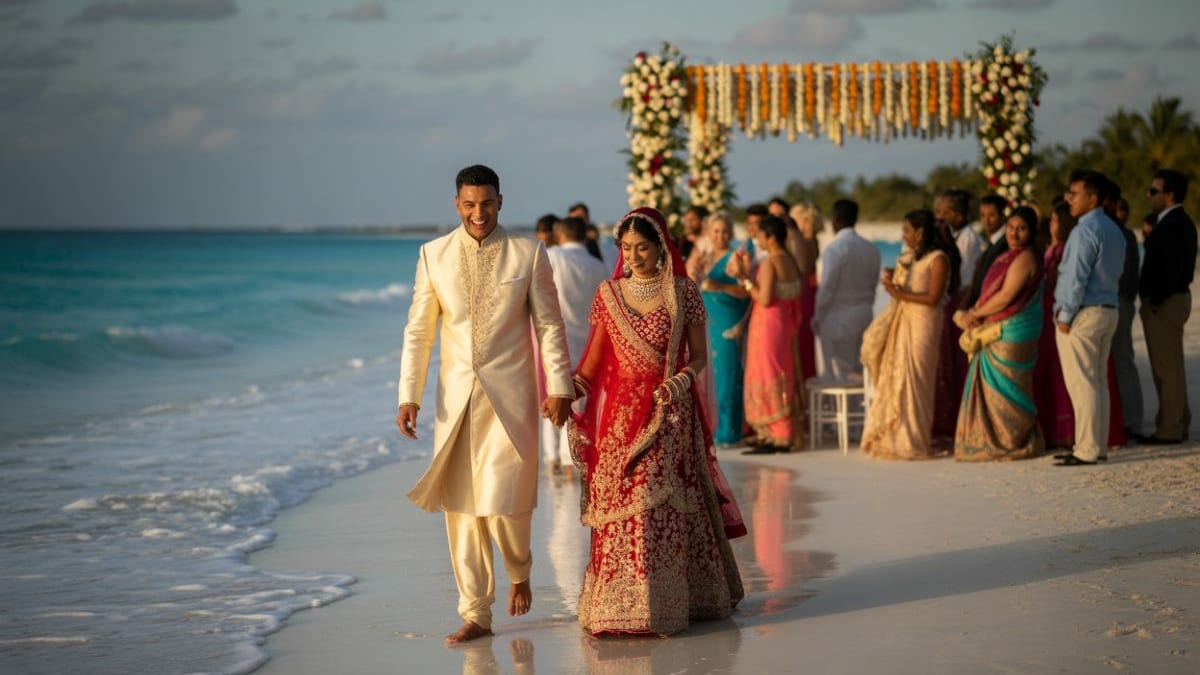
Image by Latest International / Global Travel News, Breaking World Travel News
Destination Wedding Market Enters a New Growth Cycle
Recent industry research indicates that destination weddings now represent one of the fastest-growing segments of the global wedding economy, with estimates valuing the wider market in the mid tens of billions of dollars and projecting double-digit growth through the end of the decade. Analysts report that couples are increasingly willing to move celebrations abroad when they can turn the event into an extended group trip and secure better value for luxury-level experiences than at home.
Studies focused on the luxury tier show particularly strong momentum, with reports released in late 2025 pointing to a notable jump in high-end destination events since 2023. Market trackers attribute this to a combination of pent-up post-pandemic demand, rising household wealth at the upper end of the income spectrum, and a strong preference for “experience-first” spending among millennial and Gen Z couples. Travel trade coverage also highlights that, despite some advisors reporting softer bookings for certain 2025 dates, expectations for 2026 remain broadly positive.
Industry trend reports for 2026 and 2027 suggest that the definition of luxury is changing. Instead of focusing solely on lavish decor or oversized guest lists, couples are prioritizing private buyouts, elevated food and beverage programs, and destination-specific experiences such as curated excursions, wellness programming or local cultural performances. This shift is reshaping where couples choose to marry and the kind of suppliers they seek out on the ground.
Within this landscape, Mexico remains a headline destination for North American couples, regularly cited in wedding and travel media as one of the top foreign locations for United States residents. While beach resorts in Cancun and the Riviera Maya continue to dominate volume, new urban and culturally tailored niches are emerging, particularly around kosher celebrations in Mexico City and South Asian weddings along the Caribbean coast.
Mexico City Emerges as a Hub for Kosher Luxury Celebrations
Mexico City has long been known for its sizable Jewish community and established synagogue network, but its profile as a kosher destination wedding hub is rising as couples look beyond traditional North American venues. Publicly available venue information and travel coverage show that several upscale hotels in central neighborhoods now work regularly with local kosher caterers, offering certified kitchens, glatt kosher menus and Shabbat-compliant event timelines.
Hospitality reports highlight that five-star properties in areas such as Polanco, Reforma and Lomas have invested in upgraded ballrooms, rooftop event spaces and high-end suites that appeal to international wedding groups. Event planners note in trade interviews that Mexico City’s combination of cosmopolitan infrastructure, luxury accommodations and access to certified kosher food places it in direct competition with cities like Miami or New York for diaspora couples seeking a destination feel without sacrificing religious observance.
Another factor pushing Mexico City up the list is connectivity. Airline data and tourism statistics underline the dense network of nonstop flights from major hubs in the United States and Canada, making it feasible for guests to attend a long weekend of events without complex routing. For observant guests, the presence of established synagogues, mikvaot and kosher restaurants around core hotel districts helps smooth the logistics of multi-day celebrations.
Travel and lifestyle coverage suggests that couples planning 2026 kosher weddings in the city are prioritizing multi-venue itineraries that blend religious requirements with contemporary urban experiences. Typical programs may combine a synagogue ceremony with a ballroom reception at an international luxury brand, welcome drinks on a rooftop terrace and a post-wedding brunch featuring modern Mexican kosher cuisine, all supported by bilingual planners and on-site mashgiach supervision.
South Asian Beach Weddings Reframe Cancun’s Luxury Offering
On Mexico’s Caribbean coast, Cancun and the broader Riviera Maya continue to be named among the most in-demand regions for destination weddings, with travel forums and wedding-focused media repeatedly identifying the area as a leading choice for North American couples. Within that demand, a distinct subsegment has emerged: large-scale South Asian weddings that span several days and multiple events, from mehndi and sangeet to ceremony and reception.
Photography portfolios, resort marketing materials and planner reports for 2024 and 2025 document a growing number of Hindu, Sikh and Muslim celebrations staged on Cancun-area beaches and terraces. Many all-inclusive and luxury resorts now advertise specific South Asian wedding packages, including options for open-air mandap setups, baraat processions, vegetarian and Jain-compliant menus, and collaboration with Indian chefs or caterers to deliver regional dishes. Some properties also promote partnerships with decorators familiar with elaborate floral work and multi-event staging.
Publicly available rate sheets and guest feedback indicate that Cancun’s appeal for South Asian wedding groups in 2026 is closely tied to value and scalability. Resorts in the corridor between Cancun and Tulum regularly host groups of 200 to 350 guests, with block-booked room categories, chartered airport transfers and private use of pools or beach clubs for specific events. Travel advisors describe scenarios in which budgets that would cover a single evening in a major North American city can stretch to three or four nights in Mexico, including multiple catered functions and group excursions.
At the same time, reports point to an increased focus on guest experience rather than only ceremony aesthetics. Popular add-ons include catamaran cruises, cenote visits, curated spa days and late-night parties in off-site venues, turning the wedding into a shared vacation for extended families and friends. For 2026, planners expect more demand for buyouts of smaller resorts, allowing South Asian couples to customize sound, decor and food across the entire property without competing events nearby.
Luxury Travel Trends Shaping 2026 Wedding Itineraries
Across both kosher Mexico City celebrations and South Asian beach weddings in Cancun, broader luxury travel patterns are influencing how couples design their 2026 events. Global travel trend white papers for 2025 and beyond describe a shift toward “immersive luxury,” defined less by opulence and more by access, personalization and authenticity. In the wedding context, that translates to private guides for group excursions, chef-led tasting menus inspired by local ingredients and late checkout or spa access woven into room blocks.
Data from market research firms tracking high-end tourism also underscores growing interest in sustainability and community impact. Destination wedding reports mention couples asking about carbon offset options, plastic reduction at events and ways to incorporate local artisans, musicians or cultural practitioners into their celebrations. In Mexico, that can mean commissioning regional textiles for welcome bags, hiring local mariachi or folkloric groups for one of the nights, or featuring mezcal, cacao and native produce in signature menus.
Technology is another defining feature of 2026 luxury weddings. Planning platforms and vendor directories now focus heavily on remote coordination, allowing couples to manage site visits virtually, review 3D floor plans and sign digital contracts with resorts, caterers and entertainment. Social media coverage of recent events shows an uptick in multi-day content strategies, with couples investing in dedicated photo and video teams who document welcome parties, excursions and farewell brunches in addition to the main ceremony.
Market commentary suggests that, while budgets at the luxury level remain high, couples are more deliberate about where they allocate funds. Items like guest travel stipends, professional content creation and wellness or cultural add-ons are rising in priority, while elaborate printed materials or single-use decor elements are often scaled back. For destinations like Mexico City and Cancun, this reallocation benefits properties and local partners that can bundle accommodation, experiences and dining into cohesive wedding-week packages.
What Couples Planning 2026 Destination Weddings Should Consider
For couples targeting 2026 dates, published guidance from planners, travel advisors and wedding platforms converges on several practical considerations. First, early venue selection remains critical, especially for large South Asian groups or kosher events that require specific kitchen arrangements or religious accommodations. Reports from advisors indicate that prime weekends in peak seasons can book out 18 to 24 months in advance in both Mexico City and Cancun.
Second, budgeting for guest travel and on-site spend is becoming more complex as flight prices and hotel rates continue to fluctuate. Industry statistics suggest that per-guest costs at destination weddings, excluding airfare, can range widely depending on the property and length of stay, with luxury all-inclusive resorts in Mexico often positioned as comparatively cost-effective against metropolitan ballrooms in the United States. Couples are encouraged by many guides to be explicit about what they will cover versus what guests will pay, and to communicate timelines early.
Third, cultural and religious requirements should be mapped out with local experts well before deposits are placed. For kosher weddings in Mexico City, that may involve confirming supervision standards, Shabbat timing and access to nearby synagogues. For South Asian beach celebrations in Cancun, planners recommend verifying open-flame policies for certain rituals, sound restrictions, backup indoor spaces for monsoon-season dates and the resort’s experience with multi-day South Asian event flows.
Finally, recent reports emphasize the importance of flexibility. Travel advisors note that global events, weather patterns and airline capacity can all affect destination weddings more than local celebrations. Couples planning 2026 events are increasingly building in contingency plans, including travel insurance, flexible booking terms and backup event formats, while still taking advantage of the distinctive luxury, cultural depth and guest experience that destinations like Mexico City and Cancun offer.