

More news on this day
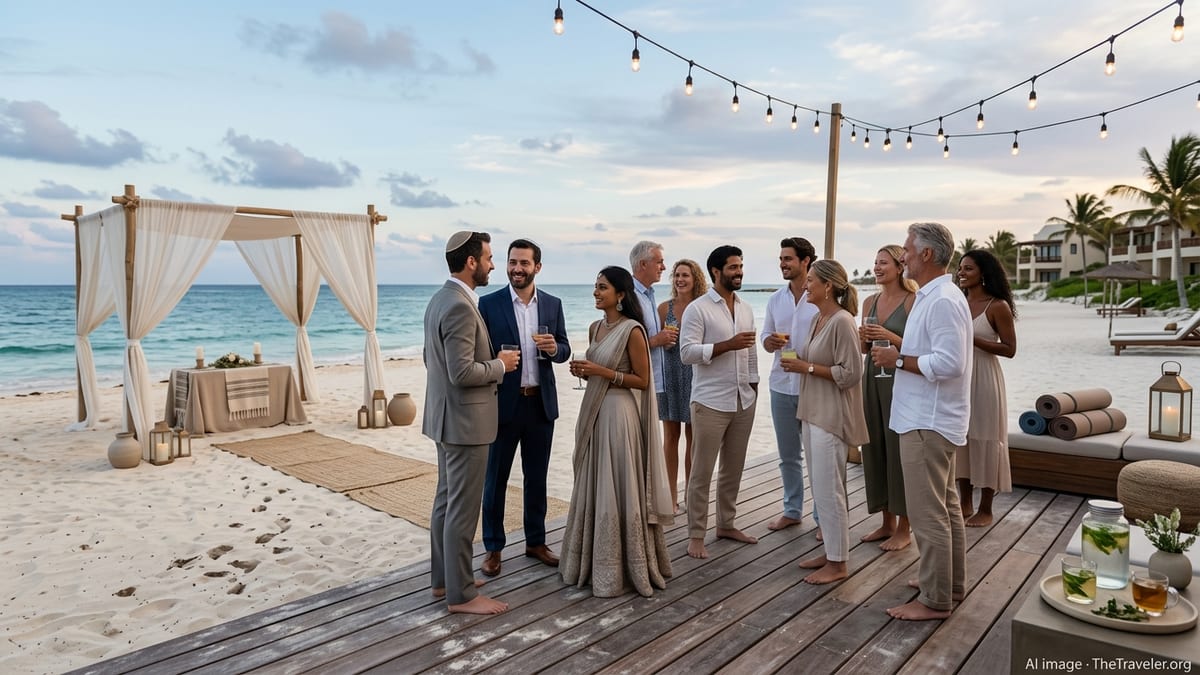
Luxury destination weddings in 2026 are moving toward smaller, more meaningful celebrations, with Mexico rising as a focal point for kosher city weddings and South Asian beach ceremonies that blend cultural depth with high-end travel experiences.
Get the latest news straight to your inbox!
Global Wedding Tourism Enters a New Growth Phase
Industry data for 2025 and early 2026 shows that wedding tourism continues to expand as couples trade traditional hometown banquets for multi-day experiences abroad. Market research indicates the global wedding tourism segment is on track to grow steadily through the next decade, driven by demand for personalized ceremonies in locations that double as vacation destinations for guests.
Analysts tracking romance and wedding travel report that couples are increasingly defining luxury as access, authenticity and time together rather than sheer scale. High-spend celebrations are still common, but guest counts are shrinking and itineraries are evolving to include welcome dinners, excursions and wellness activities, turning weddings into curated travel programs.
Data from romance travel firms for 2026 suggests that eco-conscious and experience-led destination weddings now sit firmly in the premium bracket. Smaller groups, destination buyouts and tailored cultural programming are allowing planners to reallocate budgets from volume catering to design, entertainment and bespoke local experiences.
This shift is also rebalancing the global map of luxury weddings. While long-established hubs in Europe and the Middle East remain influential, reports from planners and venue groups indicate that Mexican cities and beach resorts are capturing a growing share of high-end events from North American, European, Middle Eastern and South Asian couples.
Luxury Redefined: Fewer Guests, Deeper Experiences
Travel trend briefings for 2026 point to a more intimate definition of luxury in weddings. Romance travel reports show average destination guest lists dropping into the mid-thirties, even as per-guest spend rises. Couples are favoring locations that allow them to host extended weekends with family and close friends rather than large, single-evening receptions.
On the ground, this is translating to full buyouts of boutique hotels, villas and smaller resorts, particularly in secondary destinations near major hubs. In Mexico, areas around Cancun, Playa Mujeres and the Riviera Maya are promoting secluded enclaves where wedding parties can occupy most or all of a property, creating a private resort feel without leaving the main tourism corridors.
Decor and production trends are following suit. Industry roundups for 2026 highlight immersive lighting, textured design, and nature-focused palettes over towering floral installations. In Mexican beach destinations, planners report increased demand for minimalist altars that frame the sea, mixed with handcrafted elements such as local ceramics, woven textiles and regional florals.
Wellness is also entering the luxury equation. Spa programs, sunrise yoga, sound baths and chef-led tasting menus are appearing on wedding weekend schedules, aligning celebrations with the broader rise of wellness and culinary tourism. For many couples, the wedding now functions as both a once-in-a-lifetime party and a shared retreat.
Kosher Destination Weddings Find a Hub in Mexico City
Mexico City is emerging as a notable center for Jewish and kosher destination weddings, particularly for couples traveling from the United States, Canada and Latin America. Publicly available information on local venues shows a growing number of hotels, historic estates and dedicated event spaces marketing their experience with Jewish traditions and partnerships with kosher caterers.
Reports from specialist Jewish wedding platforms highlight Mexican properties that hold certifications for kosher operations or work routinely with external kosher kitchens under rabbinic supervision. These arrangements allow couples to meet strict kashrut requirements while still offering menus that feature regional Mexican flavors, from contemporary takes on street food to multi-course tasting dinners.
Planning models in central Mexico are also evolving to support international couples. Commentary from weddings-focused forums and venue guides indicates that using a local planner is becoming standard for Mexico City events, as they coordinate with kosher caterers, mashgichim, décor teams and live bands familiar with Jewish customs, from chuppah logistics to multi-part dancing and music schedules.
For guests, Mexico City’s role as an air hub and cultural capital is another advantage. Travel industry updates note increased interest in turning urban weddings into long weekends built around museums, gastronomy and day trips to nearby towns. For many families, the ability to combine a fully kosher celebration with a destination-style cultural program is a key factor in choosing the city over traditional North American venues.
South Asian Beach Ceremonies Transform Cancun and the Riviera Maya
Along Mexico’s Caribbean coast, resorts around Cancun, Playa Mujeres and the wider Riviera Maya are sharpening their focus on South Asian weddings, positioning themselves as alternatives to long-haul destinations in the Indian Ocean or the Middle East. Supplier documents and promotional materials reference dedicated South Asian wedding packages designed around Hindu, Sikh and multi-faith celebrations.
These programs typically account for multi-day structures, including sangeet, mehndi, haldi, baraat and multiple ceremonies, along with vegetarian or Jain kitchen options. Some resort groups highlight segregated kitchen spaces and menu frameworks tailored to South Asian dietary patterns, while others emphasize their networks of external caterers who can deliver regional Indian cuisines at scale.
Beach settings remain central to the appeal. Destination content for 2026 showcases sunrise and sunset ceremonies that combine mandaps or canopies with coastal color palettes, along with weather-adaptable indoor ballrooms for later events. Planners in the region report rising interest in hybrid celebrations, where couples hold one ceremony in traditional attire on the sand and a second, less formal event with Western dress and contemporary décor.
Travel forums for upcoming 2026 and 2027 weddings suggest that many South Asian couples are booking one to two years in advance to secure room blocks, multiple event spaces and religiously appropriate ceremony times. The ability to host large extended families in family-friendly all-inclusive resorts, while offering daytime excursions to cenotes, archaeological sites and eco-parks, is strengthening the region’s position in this niche.
What Couples Planning 2026 Destination Weddings Need to Know
For couples eyeing 2026 dates, industry guidance converges on three themes: early planning, clarity of cultural needs and realistic budgeting. Destination planners and travel advisors note that prime weekends at sought-after resorts in Mexico are filling earlier, particularly for groups that require kosher kitchens, certified vendors or multiple days of South Asian ceremonies.
Reports across the romance travel sector indicate that full-service planning remains dominant for overseas celebrations, but partial planning models are expanding. This allows couples to manage elements such as guest communication and welcome events themselves while relying on local experts for vendor negotiations, religious compliance and on-site execution.
Budget expectations are shifting alongside the new definition of luxury. Market briefings on romance travel suggest that many eco-focused destination weddings in 2026 come in below the cost of large traditional hotel banquets, even in premium resorts, because guest lists are smaller and spending is concentrated on experiences and high-quality food and beverage rather than volume.
Mexico City’s kosher venues and Cancun’s South Asian-ready resorts are likely to remain in high demand as couples seek destinations that can handle complex cultural requirements while delivering a polished, resort-level experience. For the wider wedding tourism market, these niches illustrate how 2026’s luxury destination weddings are being redefined by culture, intimacy and travel experience rather than size alone.