

More news on this day
The luxury yacht charter market is sailing into a decade of solid expansion, with fresh forecasts pointing to robust growth through 2031 as high-net-worth travelers seek more exclusive, personalized and sustainable ways to explore the world’s coastlines.
Get the latest news straight to your inbox!
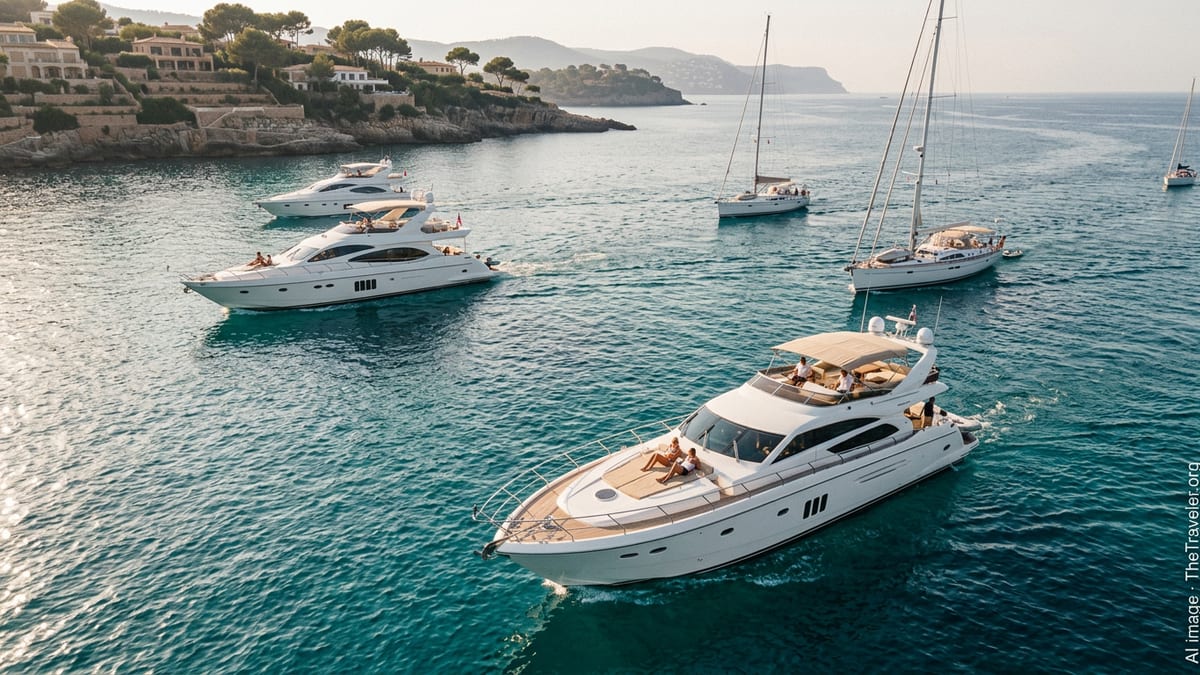
New Forecasts Point to Double-Digit Market Expansion
Multiple industry analysts now expect the global luxury yacht and yacht charter sector to post strong gains over the next seven to eight years, with market size projections converging on a significantly larger industry by 2031. Recent research on luxury yachts places the broader luxury yacht market at around 5.8 billion dollars in the early 2020s, with expectations it could more than double and reach the low double-digit billion range by 2031, supported by compound annual growth rates hovering around 8 percent.
While methodologies vary, several recent charter-specific studies point to the yacht charter segment alone heading toward the mid-teens to mid-20s billions of dollars by early next decade. That would mark a sizeable jump from current estimates that cluster between roughly 8 and 12 billion dollars in the mid-2020s. Analysts say that even conservative scenarios show the market expanding steadily, with premium motor yachts, superyachts and crewed charters capturing the lion’s share of new demand.
The headline takeaway for travelers and investors is clear: luxury yacht chartering, once a niche reserved for a very small circle of ultra-wealthy clients, is evolving into a larger, more structured global industry with professional management companies, standardized service levels and increasingly sophisticated booking platforms.
Demand Drivers: Experience-Hungry Travelers and New Wealth
The growth story is rooted in powerful demand-side shifts. High-net-worth and ultra-high-net-worth individuals, especially in North America, Europe and the Middle East, are spending more on bespoke experiences rather than traditional status symbols. Chartering a yacht for a family escape, milestone celebration or corporate retreat delivers privacy, flexibility and access to secluded anchorages that even top-tier resorts cannot match.
New wealth in regions such as the Gulf, Southeast Asia and parts of Africa is also feeding demand for chartered yachts, often starting with shorter weekend or event charters before moving up to weeklong itineraries. Brokers report that first-time charter clients are arriving younger than a decade ago, influenced by social media imagery of yachting lifestyles and by a growing ecosystem of influencers and concierge agencies that package charters with private aviation, gastronomy and wellness experiences.
At the same time, charter operators are broadening their offer beyond peak-summer Mediterranean and Caribbean seasons. Shoulder-season expedition-style trips in Northern Europe, the South Pacific and polar regions, as well as themed cruises focused on diving, wine, or wellness, are helping to smooth demand across the year. For the market overall, this diversification translates into higher utilization of fleets and more stable revenue streams.
Regional Hotspots: Med, Caribbean and Emerging Destinations
Europe remains the powerhouse of the luxury yacht charter landscape. The Mediterranean, from the Côte d’Azur and the Balearics to Croatia and Greece, continues to dominate booking volumes, supporting a dense network of marinas, repair yards and seasoned crews. Analysts expect the region to retain a leading market share through 2031, underpinned by established regulations, strong air links and a long tradition of coastal tourism.
The Caribbean and Bahamas form the second major axis, with winter seasons that complement Mediterranean summers. Here, charter companies are seeing strong repeat business among North American clients, as well as more interest in multi-week itineraries that pair yachting with villa stays or onshore adventure travel. Industry observers note that the ability to reposition yachts between these two core basins is a key competitive advantage for larger fleets.
Looking ahead to 2031, attention is turning to emerging destinations. Turkey’s Turquoise Coast, the Red Sea, the Seychelles and parts of Southeast Asia are building out marina infrastructure and streamlining charter regulations to attract more high-end vessels. These markets are still relatively small but are expected to grow faster than mature regions, offering new cruising grounds for seasoned charter guests seeking fresh experiences beyond the usual hotspots.
Sustainability, Technology and Changing Client Expectations
Environmental concerns are reshaping the sector as it grows. New-build luxury yachts increasingly incorporate more efficient hull designs, hybrid propulsion, smarter energy management and advanced wastewater treatment systems, all designed to reduce fuel burn and environmental footprint. Electric and hybrid luxury yachts remain a small niche but are projected to gain share by the early 2030s as technology costs fall and more clients prioritize sustainability credentials.
Digitalization is another major growth lever. Online booking platforms, virtual walkthroughs and dynamic pricing tools are making it easier for clients to compare yachts, routes and onboard amenities. Charter brokers say that, while high-touch personal service remains essential for top-tier clients, the discovery and planning phase is rapidly shifting online, especially for younger, tech-savvy travelers who are accustomed to frictionless digital experiences in other parts of their lives.
Onboard, expectations continue to rise. Requests for wellness spaces, spa-level treatments, chef-driven menus with local sourcing, high-speed connectivity and cinematic entertainment systems are now commonplace. Many operators are responding by investing in refits and crew training, recognizing that repeat bookings and word-of-mouth recommendations depend heavily on service quality as well as the yacht itself.
What Travelers and Investors Should Watch Through 2031
For prospective charter guests, the expected expansion of the market by 2031 should translate into more choice across price points, yacht sizes and destinations. Industry insiders anticipate a broader tier of entry-level luxury charters, including smaller crewed yachts and catamarans, alongside ultra-luxury superyachts aimed at the very top of the market. Travelers who book early, work with reputable brokers and remain flexible on dates and embarkation ports may be best placed to benefit from this increased supply.
Investors, meanwhile, are eyeing the sector’s growth with renewed interest. Structured yacht investment programs, fractional ownership and charter management arrangements promise potential returns while outsourcing day-to-day operations to professional managers. Analysts caution, however, that the segment remains capital-intensive and sensitive to macroeconomic swings, fuel costs and regulatory changes, meaning due diligence is crucial even in a rising market.
Over the next several years, observers will be watching a few key indicators: the speed at which new yachts are added to global fleets, the adoption rate of greener propulsion technologies, the resilience of demand in the face of any economic slowdown, and the pace at which emerging cruising regions develop. If current forecasts prove accurate, by 2031 the luxury yacht charter market will be larger, more geographically diverse and more sustainability-focused than ever, reshaping how affluent travelers experience the world’s oceans and coastlines.