

More news on this day
A major international airline is abruptly withdrawing a flagship long-haul route from London Heathrow, marking the end of a once-strategic connection and underlining how rapidly shifting demand, costs, and competition are reshaping the global aviation map.
Get the latest news straight to your inbox!
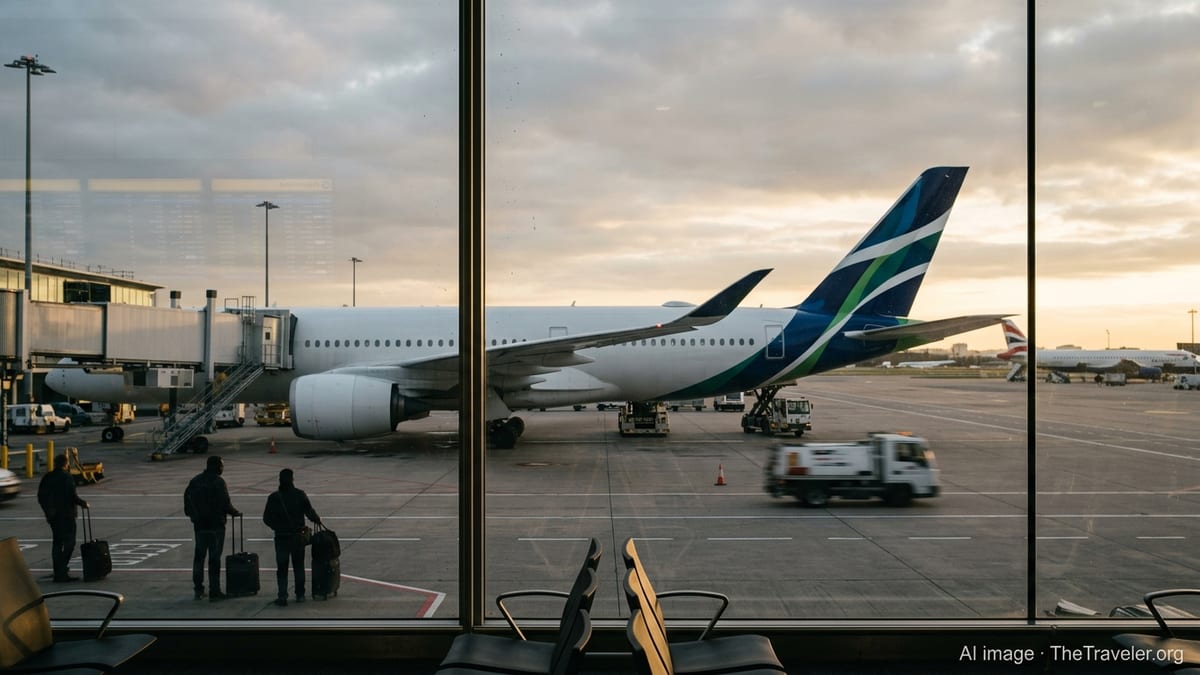
Sudden Exit From A Flagship Heathrow Route
The carrier’s decision to axe the long-haul service from London Heathrow was confirmed in recent timetable updates and public schedule filings, which show the route disappearing from future seasons. Industry reports indicate that bookings have been frozen beyond the cut-off date, with existing passengers being rerouted via other hubs or offered refunds and alternative travel options.
The move affects a route that for years formed part of the airline’s core intercontinental network, linking Heathrow to a major destination in its long-haul portfolio. Publicly available data shows that the flight had historically served a mix of business travelers, leisure passengers, and transfer traffic using Heathrow as a connection point to onward services.
Although the airline has not foregrounded a single reason in public-facing materials, network analysts point to a combination of weaker yields, rising operating costs at Heathrow, and increasingly fragmented demand patterns across Europe and North America. Heathrow’s well-documented capacity constraints and some of the highest airport charges in the world have also made marginal long-haul routes more vulnerable during seasonal reshuffles.
For regular passengers, the change feels abrupt. The route survived the worst of the pandemic-era cuts and had returned as part of the airline’s rebuilt long-haul schedule, which makes its sudden removal stand out as a strategic rather than purely temporary adjustment.
Why “End Of An Era” Resonates At Heathrow
The cancellation has been framed by many aviation watchers as an “end of an era” moment because it breaks a long-running pattern of service that dates back many years. Historic schedule records and enthusiast archives show that the airline, or its predecessors, have linked Heathrow with the affected long-haul destination through several fleet generations, adjusting aircraft types but maintaining a continuous presence.
This kind of withdrawal is particularly symbolic at Heathrow, an airport that has already seen the retirement of iconic types and services, from the Concorde era to the more recent drawdown of large four‑engine jets on many trunk routes. Each retreat reduces the diversity of long-haul options and narrows the field of carriers competing on specific city pairs.
Aviation forums and specialist media coverage note that for frequent flyers, the route had become part of a familiar travel rhythm, supported by established departure times, connecting banks, and lounge patterns. For some regions, it provided one of the most convenient one-stop links to and from the United Kingdom’s primary global gateway.
With its removal, the narrative around Heathrow continues to shift toward consolidation rather than expansion. Airlines are concentrating capacity on a smaller number of high-performing long-haul routes, often feeding traffic through joint-venture or alliance partners rather than operating every historic city pair themselves.
Strategic Pressures Behind The Cut
Publicly available financial and traffic data across the sector shows that long-haul flying remains the most volatile part of many airlines’ networks. Geopolitical tensions, shifting corporate travel budgets, and uneven recovery in premium demand have all increased the pressure on marginal routes, particularly from high-cost hubs like Heathrow.
Industry analysts highlight several factors likely behind the airline’s choice. Firstly, the affected route has faced rising competition from carriers operating via alternative European and Middle Eastern hubs, offering comparable journey times with aggressive pricing and newer on-board products. Secondly, pressure on aircraft utilization has intensified as the airline deploys widebodies toward markets demonstrating stronger demand and higher fares.
Heathrow’s pricing environment adds another layer. Public reports from the UK’s aviation regulator and recent disputes over airport charges underscore how incremental cost increases can push borderline routes into unprofitability when fuel prices and crew expenses are also rising. For an airline refining its global footprint, discontinuing a underperforming long-haul link at such a constrained and costly hub can free aircraft for better-yielding deployments elsewhere.
Capacity planning is further complicated by ongoing aircraft deliveries and cabin refurbishment programs. As the airline introduces more efficient long-haul jets and updates premium seating, it is prioritizing flagship routes and strategic hubs where the return on investment is most clear, leaving less room in the network for historically important but commercially pressured services.
Impact On Travelers, Partners, And Competition
The immediate impact for travelers is a reduction in nonstop or one‑stop choices using the airline’s own metal to and from Heathrow on the affected corridor. Public schedule searches already show passengers being steered to connect via the carrier’s primary hub or through alliance partners operating from other European gateways.
Corporate travel managers will need to rework policy‑approved routings, especially for markets where the dropped service had been the default option. For some travelers, the change adds a connection or longer layover, while others may switch loyalty to competing airlines that still offer more direct itineraries through Heathrow.
Alliance and codeshare partners will also feel the shift. The now‑axed Heathrow long-haul flight previously supported onward connections on both sides of the route, feeding traffic into regional networks and joint‑venture transatlantic or intercontinental services. With that feed removed, partners may adjust schedules or upgauge aircraft on parallel routes to capture displaced demand.
For Heathrow itself, the freed slot pair is likely to be redeployed rapidly, given the airport’s constant waiting list of carriers seeking additional access. Whether the same airline backfills with another long-haul destination, increases frequencies on a stronger route, or reallocates slots to short-haul operations will influence how visible the change feels to passengers walking through the terminals.
What Comes Next For Heathrow’s Long-Haul Map
While the end of this particular service closes a chapter, it also reflects a broader pivot in how airlines use London’s primary hub. Fleet renewal trends show a gradual shift from very large aircraft to smaller, fuel‑efficient widebodies, enabling carriers to tailor capacity more closely to demand and to switch aircraft between routes with relative speed.
Industry observers expect the airline to continue refining its long-haul network over the next few seasons, especially as new aircraft join the fleet and as demand patterns in Asia, the Americas, and Africa continue to evolve. Publicly accessible forecasts from travel data firms point to sustained growth in leisure-heavy markets and a slower, more uneven recovery in traditional corporate strongholds, which may prompt further reallocations of Heathrow capacity.
For travelers, the lesson is that even long-standing routes from marquee hubs are no longer guaranteed. Schedule stability has improved since the height of the pandemic, but airlines remain quick to respond to changing economics, regulatory developments, and competitive pressures. The loss of this Heathrow long-haul connection underlines how those forces can converge suddenly, ending an era on a route that once seemed secure.
At the same time, history at Heathrow suggests that new opportunities tend to follow retirements. As carriers refine their strategies, today’s withdrawn service may eventually be replaced by new long-haul links, different city pairs, or enhanced frequencies elsewhere, continuing the constant rebalancing that defines one of the world’s most tightly contested aviation markets.