

More news on this day
A new wave of flight cancellations by Lufthansa, Avianca, Delta, Spirit, LATAM and other carriers is disrupting air travel in and out of Colombia, with over a dozen services scrubbed on key routes linking Frankfurt, Orlando, Atlanta, Lima, Bogotá, Medellín, Cali and several secondary cities.
Get the latest news straight to your inbox!
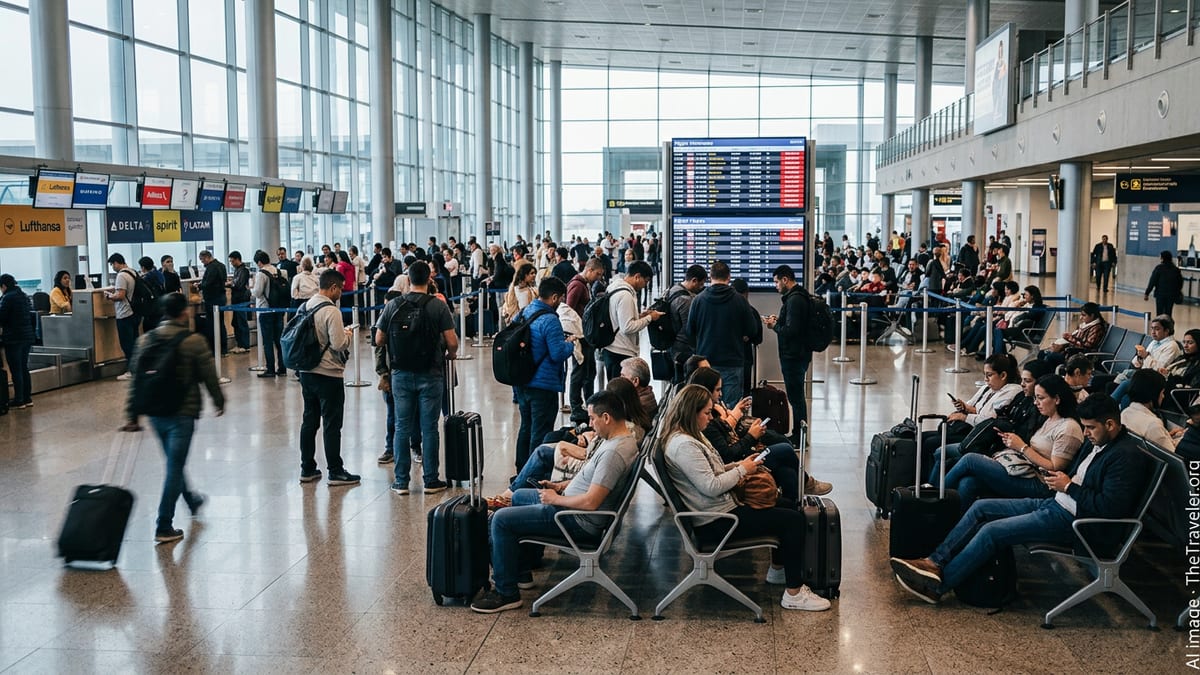
Key International and Domestic Routes Hit
The latest round of disruptions is concentrated on a mix of high-demand international routes and crucial domestic links in Colombia. According to airport and schedule data reviewed on March 12, services touching major hubs such as Bogotá, Medellín and Cali have been selectively withdrawn or consolidated, while some long-haul intercontinental flights are being trimmed from timetables.
Among the most closely watched changes are reductions on the Frankfurt to Bogotá corridor, traditionally operated by European network carriers including Lufthansa, and adjustments to U.S.-bound services connecting Colombian cities with Orlando and Atlanta on airlines such as Delta, Spirit, Avianca and LATAM. In several cases, specific frequencies are being cancelled on select days rather than entire routes being suspended, creating an uneven pattern that can be hard for travelers to anticipate.
Colombian domestic routes are also feeling the impact. Recent schedule changes have included cancellations on trunk links between Bogotá and Medellín, as well as cutbacks on flights serving Cali and smaller regional cities that depend on feed from the country’s main hubs. While most operations continue, the loss of particular frequencies is squeezing options for connections, especially during peak travel periods and bank holidays.
Although not every carrier has issued a broad public statement, industry data and airport information point to a coordinated tightening of capacity across multiple airlines in the Colombia market rather than isolated operational glitches affecting a single operator.
What Is Driving the Latest Cancellations
The current wave of cancellations appears to stem from a mix of capacity management and operational constraints rather than a single dramatic trigger. Airlines serving Colombia are still recalibrating their networks after a period of rapid expansion across Latin America, with several carriers adjusting schedules to match demand more closely during shoulder-season months.
At the same time, global challenges are weighing on reliability. Aircraft availability remains tight across many fleets due to delayed deliveries and ongoing maintenance backlogs, while crews are being carefully rationed across long-haul and regional operations. When schedules come under pressure, carriers often choose to prune thin or marginal frequencies, which can include select Colombia services to Frankfurt, Orlando, Atlanta and Lima.
Weather-related disruption and airspace congestion have periodically compounded the situation at major South American hubs, forcing last-minute cancellations or rolling delays that ripple across the network. In a bid to restore punctuality and reduce knock-on disruption, airlines sometimes preemptively cancel specific flights in the days ahead.
For travelers, the result is a pattern of sporadic cancellations that can be difficult to forecast from published timetables alone. The fact that multiple major brands are trimming or canceling services at the same time amplifies the feeling of a system-wide disruption for passengers trying to move into, out of or within Colombia.
Cities and Passengers Most Affected
The impact of the cancellations is being felt unevenly across Colombia’s aviation map. Bogotá’s El Dorado International Airport, the country’s primary international gateway, remains the most resilient, with airlines generally seeking to protect core frequencies on flagship routes such as Bogotá to Frankfurt, Orlando and Atlanta even as select flights are dropped.
Medellín and Cali, by contrast, are seeing relatively sharper effects on certain days, particularly on services that feed U.S. and Peruvian hubs. Cancellations on Medellín and Cali routes reduce redundancy and make it harder for passengers to rebook on comparable timings, especially when connections in Orlando, Atlanta or Lima are involved.
Smaller Colombian cities connected via Bogotá, Medellín and Cali are also indirectly affected. When a long-haul or major regional segment to Frankfurt, Orlando, Atlanta or Lima disappears from the schedule, passengers originating in secondary cities may suddenly find that previously viable connection patterns no longer work, forcing overnight stays or multi-stop itineraries.
Travelers bound for Colombia from Europe and North America are reporting limited same-day alternatives when their flights are cancelled, with some being rerouted through other hubs in South America or the Caribbean. In a few cases, passengers are being shifted onto partner airlines under existing codeshare or alliance agreements, but inventory on those alternatives can be tight at short notice.
What Affected Travelers Should Do Now
Passengers booked on Lufthansa, Avianca, Delta, Spirit, LATAM and other airlines serving Colombia in the coming days are being urged to monitor their reservations closely. Carriers are updating schedules and issuing notifications on a rolling basis, and in several recent cases, flights have been cancelled or retimed less than 48 hours before departure.
Experts recommend checking flight status directly with the airline’s app or website multiple times in the 24 hours leading up to departure, rather than relying solely on confirmation emails or third-party booking platforms. When a cancellation appears, acting quickly improves the odds of securing space on remaining services to or from Bogotá, Medellín, Cali, Lima, Orlando, Atlanta or Frankfurt.
Travelers with tight international connections, particularly those linking a domestic Colombian leg with a long-haul departure, should consider building in extra buffer time or proactively rebooking onto earlier flights. Where possible, same-ticket itineraries that keep all segments under one airline or alliance provide stronger protection and more generous rebooking options than separate tickets pieced together across multiple carriers.
Those already affected by cancellations are being offered a mix of free date changes, rerouting and, in some cases, refunds, depending on fare rules and local regulations. Passengers are advised to retain documentation of any additional expenses incurred as a result of disrupted travel in case they are eligible for reimbursement or future travel credits.
Outlook for Colombia-Bound Air Travel
While the current disruptions are unwelcome for travelers, aviation analysts note that they also reflect airlines’ efforts to stabilize operations after months of strain. By selectively cancelling less-profitable or operationally complex flights, carriers hope to restore reliability on the routes that remain, including critical links between Colombia and hubs like Frankfurt, Orlando, Atlanta and Lima.
In the medium term, Colombia’s air travel market remains attractive, with steady demand from business travelers, tourists and visiting friends and relatives. Carriers including Avianca and LATAM continue to invest in new routes and additional capacity across the region, even as they fine-tune existing schedules and trim underperforming frequencies.
However, passengers should be prepared for continued short-notice adjustments through the coming weeks as airlines respond to evolving demand, fleet availability and operational constraints. Flexible planning, close monitoring of flight status and a willingness to consider alternative routings will be key for anyone flying to or from Bogotá, Medellín, Cali and other Colombian cities during this period.
For now, the message from industry insiders is clear: Colombia remains open and well connected, but travelers should not assume that flights will operate exactly as originally booked. Building in flexibility and staying informed are essential to navigating this latest chapter of disruption in the country’s skies.