

More news on this day
Travelers across the Middle East and beyond are facing mounting disruption after Iraq extended a full closure of its airspace, prompting more than 25 flight cancellations by major carriers including Royal Jordanian, Qatar Airways, EgyptAir and Iraqi Airways on key routes linking Baghdad and Erbil with Amman, Doha, Cairo, Amsterdam and other international hubs.
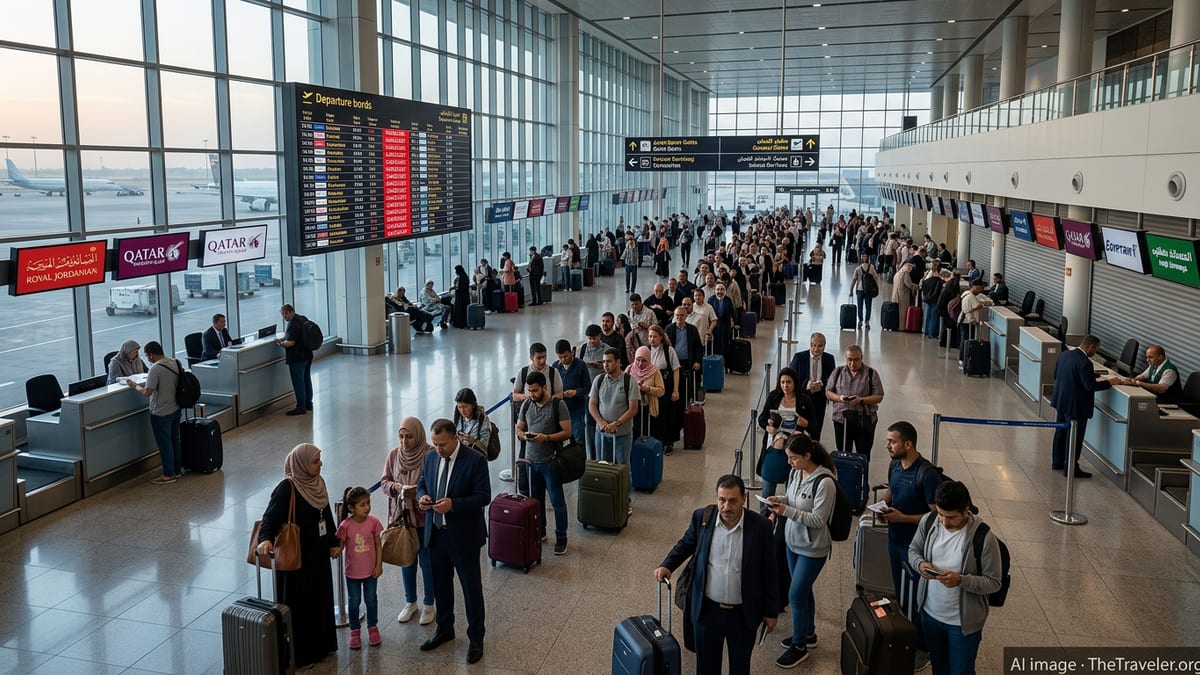
Escalating Security Crisis Keeps Iraqi Skies Closed
The Iraqi Civil Aviation Authority has prolonged a blanket suspension of civilian flights, keeping Baghdad, Erbil and Basra effectively cut off from international air traffic as regional tensions remain high. Officials in Baghdad described the shutdown as a precautionary response to the evolving security situation and the threat of missiles and drones in Iraqi airspace, stressing that the measure will be reviewed on a rolling basis.
The closure, first imposed at the end of February as conflict flared across the region, has now been extended at least through this week, with authorities signaling that reopening will depend on security assessments rather than a fixed timetable. Airlines operating to and from Iraq have been forced into rapid schedule overhauls, with many opting to cancel services outright rather than operate long, fuel-intensive detours around restricted skies.
For passengers, the result has been a wave of same day and short notice cancellations that have rippled far beyond Iraq’s borders. Flights that normally connect Iraqi cities with Amman, Doha, Cairo and European gateways such as Amsterdam have been removed from schedules or left in limbo, leaving travelers scrambling for alternatives via neighboring countries that still have limited air corridors open.
With no clear end in sight, travel agents in the region report growing concern among customers booked to or through Iraq in the coming weeks, many of whom are now seeking refunds, rerouting options or overland alternatives to reach Jordan, Turkey or the Gulf.
Royal Jordanian and Middle East Carriers Slash Iraq Services
Royal Jordanian has been among the hardest hit airlines, as the carrier relies heavily on traffic between its Amman hub and cities across Iraq. The nightly curfew in Jordanian airspace, combined with Iraq’s full closure, has forced the airline to consolidate and cancel numerous flights between Queen Alia International Airport and destinations such as Baghdad and Erbil.
According to airport operations data and local aviation trackers, more than two dozen flights touching Iraqi airspace have been dropped from upcoming rotations in recent days, including multiple Royal Jordanian services that normally link Amman with Iraq and onward connections to Europe. The reduced operating window in Jordan, which currently allows only daytime movements, has further constrained the airline’s ability to re time disrupted routes.
Other regional carriers that typically serve Iraq directly have taken similarly drastic steps. Iraqi Airways, the national carrier, has extended its suspension of scheduled passenger operations, converting existing bookings into travel credits while it awaits clarity on when the country’s airspace will reopen. Smaller regional operators have also pulled flights from reservation systems, effectively freezing much of Iraq’s international connectivity.
At the same time, hubs across the Middle East have reported knock on effects as passengers who would normally transit via Amman or Baghdad are rebooked through alternative gateways such as Istanbul, Riyadh and Muscat, tightening capacity on already busy routes.
Qatar Airways and EgyptAir Adjust Networks as Cancellations Mount
Qatar Airways, which has faced its own severe constraints amid partial closures and restrictions in regional air corridors, has issued a series of rolling updates for travelers booked between Doha and affected destinations. The airline has cancelled a significant number of flights through at least March 12, including services that would ordinarily overfly or connect with Iraq, while operating a limited program of relief and repatriation flights on approved corridors.
Passengers holding tickets on cancelled Qatar Airways services to or from the Middle East are being offered date changes, rerouting on alternative carriers in certain cases, or travel vouchers, according to the airline’s latest customer guidance. However, with schedules being adjusted one short window at a time, many travelers remain uncertain whether their flights later in March will operate as planned.
EgyptAir has also taken decisive action, maintaining a suspension of flights from Cairo to key regional cities including Baghdad and Erbil, while cutting some frequencies to Amman and Doha. The Egyptian flag carrier has cited ongoing airspace closures and security considerations across neighboring countries, noting that resumption of full operations will depend on coordination with regional aviation authorities and the availability of safe routings.
The combined effect of cancellations at Qatar Airways and EgyptAir, layered on top of Royal Jordanian and Iraqi Airways suspensions, has sharply reduced available seats between Iraq and major connection hubs. This has complicated itineraries not only for local travelers but also for long haul passengers heading between Europe, Asia and the Gulf who rely on these carriers for one stop connections.
Amsterdam and European Connections Hit as Rerouting Options Shrink
The disruption has extended deep into European networks, with Amsterdam’s Schiphol Airport among the long haul gateways feeling the impact. Services that normally connect Iraq and the wider Middle East to Amsterdam and other European cities via Amman or Doha have been interrupted, forcing airlines to either cancel flights outright or operate complex detours that add hours to journey times.
Industry analysts note that carriers had already been grappling with earlier weather related disruption and capacity constraints at major European hubs this winter. The latest wave of security driven cancellations has further strained resources, particularly for airlines that use Amsterdam, Frankfurt, Paris and London as key transfer points for Middle East and Asia bound traffic.
Some Gulf and European airlines are attempting to preserve a skeleton level of connectivity by rerouting flights around closed airspace over Iraq and parts of neighboring countries. These longer routings, however, significantly increase fuel burn and may require technical stops, making them costly and operationally challenging.
Travelers booked on itineraries involving Amsterdam or other European hubs are being urged by airlines and travel agents to monitor their bookings closely, as last minute schedule changes remain likely while the regional airspace picture continues to shift.
What Affected Travelers Need to Know Right Now
For passengers caught in this latest round of cancellations, the most urgent step is to confirm the status of their flight directly with the operating airline before heading to the airport. Many carriers are updating schedules in short bursts of several days at a time, meaning a flight that appears confirmed in a third party booking app may in reality already be cancelled or pending change.
Airlines including Royal Jordanian, Qatar Airways, EgyptAir and Iraqi Airways are generally offering fee free rebooking for affected passengers, with options to move travel to later dates or in some cases to reroute via alternative gateways that still have safe air corridors. However, seat availability on remaining services is tight, especially around major hubs such as Amman, Doha and Cairo, so travelers are advised to act quickly once new options are released.
Where flights have been cancelled without a viable alternative on the same airline, passengers may be entitled to refunds rather than credits, depending on the fare rules and local consumer regulations. Travel experts recommend keeping detailed records of cancellation notices, revised itineraries and any additional accommodation or transport costs in case reimbursement claims are needed later.
With regional authorities warning that airspace restrictions over Iraq and parts of neighboring countries could be extended again if security risks persist, prospective travelers are being urged to build extra flexibility into their plans, avoid tight connections across multiple carriers, and consider contingency routes that do not rely on Iraqi skies reopening in the immediate term.