

More news on this day
Reports indicating that American travelers are being pressed to unlock their phones and surrender passwords at a major U.S. airport are reigniting a long-running debate over how far digital searches can go in the name of border security.
Get the latest news straight to your inbox!
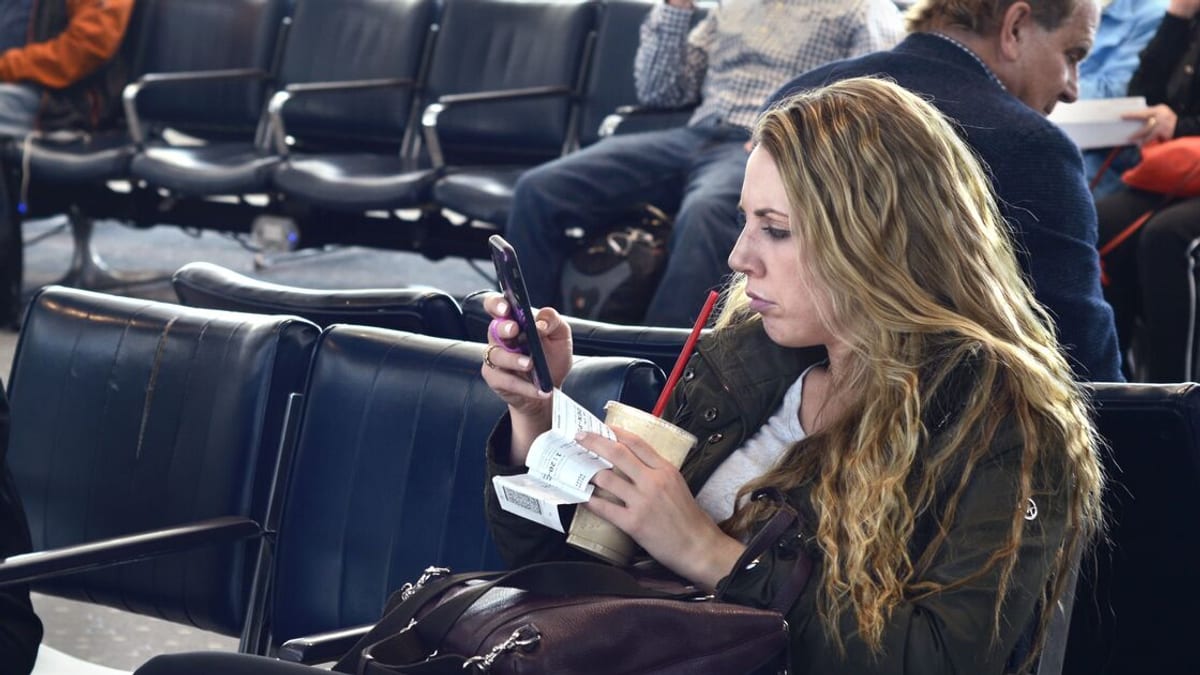
Image by the-express.com
A Familiar Border Power Takes On New Urgency
Publicly available information shows that searches of electronic devices at United States ports of entry have been growing for years, with Customs and Border Protection policies allowing officers to inspect phones, laptops and tablets crossing the border without a traditional warrant. Civil liberties groups and technology advocates have long argued that this power, once used sparingly, has gradually expanded in scale and intrusiveness.
Earlier coverage from outlets including NPR and legal analysis sites has documented cases in which travelers arriving at major international airports were asked to hand over their cell phones and, in some instances, to provide the passwords that unlock them. These practices have affected both visitors and U.S. citizens and have been concentrated at border inspection points located immediately after international arrivals, which operate under a different legal framework than domestic security checkpoints.
The latest reports, describing U.S. citizens being held for extended secondary screening at a large hub airport and repeatedly urged to unlock their phones for inspection, fit into this broader pattern. Commentators note that while the underlying powers are not new, the combination of heightened border enforcement and ever-more personal data stored on mobile devices has turned phone searches into one of the most sensitive flashpoints in modern air travel.
Travel and privacy forums in recent days show a noticeable increase in first-hand accounts and second-hand warnings about what to expect at immigration and customs in the United States. Many posts describe travelers being told that their phones may be detained for days or weeks if they decline to provide access, underscoring the practical pressure that can accompany an ostensibly voluntary request for a password.
Where Phone Password Demands Are Most Likely
Despite viral social media claims that ordinary Transportation Security Administration checkpoints are now demanding phone passwords from everyone, publicly available policies and reporting continue to draw a distinction between domestic aviation screening and border inspection zones. TSA materials describe a focus on physical security threats such as weapons, explosives and prohibited items, and do not list routine device unlocking as part of the checkpoint process.
By contrast, CBP guidance acknowledges that officers may conduct both basic and advanced searches of electronic devices at ports of entry. A basic search allows an officer to manually review information on a powered device, while an advanced search involves connecting a phone or computer to external equipment capable of copying or analyzing its contents. If a device is locked, CBP policy allows officers to request that a traveler unlock it, and to detain the device for further examination if access is refused.
The practical effect is that international terminals at the country’s largest gateways may feel very different from the rest of the airport. Travelers entering from overseas at hubs such as Houston, New York, Los Angeles, Chicago and others pass through federal inspection areas where border search rules apply. It is in these spaces, according to published coverage, that travelers most often encounter requests to unlock phones or provide passwords, particularly when they are selected for secondary inspection.
While recent online discussions have focused on one high-profile case at a major southern hub, the pattern described by rights organizations suggests that such incidents are not confined to any single airport. Instead, advocates say, they reflect a system in which device searches remain comparatively rare in absolute numbers but are sufficiently concentrated that regular international flyers now factor them into their travel planning.
Legal Grey Areas Around Passwords and Biometrics
The legality of forcing a traveler to reveal a phone password remains contested in U.S. courts, and publicly available legal commentary highlights a patchwork of rulings. Some decisions view compelling a memorized password as akin to requiring testimony, which can trigger protections against self-incrimination. Others draw a sharper line between what a person knows and what a person is or does physically, such as providing a fingerprint or facial scan.
This distinction has led many digital rights advocates to warn that biometric unlock mechanisms may be treated differently than alphanumeric passcodes. Various legal guides and travel advisories now recommend disabling fingerprint or facial recognition before approaching passport control, on the theory that it may be easier for authorities to justify physically guiding a traveler’s finger to a sensor than to compel a spoken or typed password.
At the same time, border search doctrine gives the federal government more leeway at ports of entry than inside the country’s interior. Court decisions have historically allowed searches of luggage and vehicles entering the United States without a warrant or individualized suspicion. As smartphones have evolved into repositories of emails, photos, banking details and social media accounts, privacy advocates argue that applying the same rules to digital devices effectively grants border officers access to much of a traveler’s life.
Human rights organizations and civil liberties groups have repeatedly called for legislation that would place clearer limits on device searches at airports, including requirements for warrants in most circumstances and categorical bans on building databases of passwords or social media credentials. Draft bills have appeared in Congress over the years, but no comprehensive reform has yet been enacted, keeping much of the current practice grounded in agency policy rather than detailed statute.
Travelers Adjust Habits as Concerns Grow
In response to the latest accounts from major airports, frequent travelers, technologists and privacy advocates are circulating practical suggestions intended to reduce the impact of a device search, rather than trying to avoid scrutiny altogether. Common recommendations appearing in travel security guides include traveling with a “clean” phone that contains minimal personal data, logging out of cloud services before boarding and avoiding the storage of sensitive material on devices likely to cross borders regularly.
Online discussions also highlight technical options such as enabling lockdown modes on modern smartphones, which restrict certain features and tighten access when a device is powered on, as well as relying on longer alphanumeric passcodes instead of simple four-digit PINs. Some users describe backing up data to encrypted cloud storage, wiping devices before departure and restoring information only after clearing customs at the destination.
Privacy-focused lawyers caution in public-facing materials that these measures do not change the underlying authority of border officers to detain a device or question a traveler, and that declining to unlock a phone can lead to delays and missed connections. Nonetheless, the strategies have gained traction among travelers who see them as a way to limit the volume and sensitivity of data available during any search that does occur.
The shifting advice reflects a broader reality for Americans and visitors alike: in an era when a single handset can contain years of messages, location histories and personal images, the stakes of handing over a password at a border checkpoint feel far higher than surrendering a suitcase. As scrutiny of these practices intensifies, travelers, rights groups and policymakers are likely to remain locked in a tense debate over how to balance security objectives with the expectation of privacy in the digital age.