

More news on this day
Travelers across the United States are facing fresh disruptions as operations at Boston Logan International Airport registered 165 delayed flights and 18 cancellations, affecting routes to major domestic hubs and Caribbean gateways and straining airline networks from New York City to Austin and Charlotte Amalie.
Get the latest news straight to your inbox!
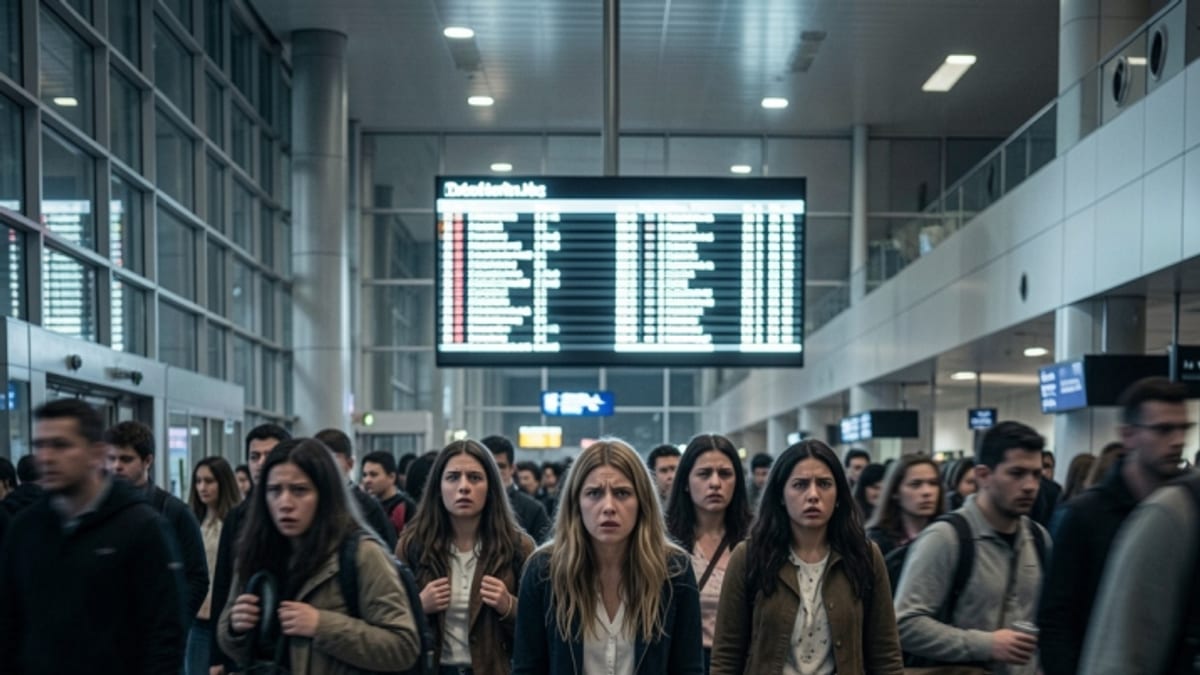
Image by Travel And Tour World
Wide Network Disruptions From a Single Hub
Publicly available flight tracking data for Sunday, March 29 indicates that Boston Logan has emerged as a significant trouble spot, with 165 departures and arrivals delayed and 18 flights cancelled across multiple carriers. The disruptions are concentrated among regional and mainline operators including Republic Airways, Delta Air Lines, Cape Air and several other domestic and international airlines serving the New England hub.
The impact is rippling across the US air travel network. Boston Logan functions as a key connector between the Northeast and the rest of the country, and also as a jumping-off point for transatlantic and Caribbean services. When operations tighten at Logan, passenger flows toward New York City airports, Texas cities such as Austin, and leisure destinations in the US Virgin Islands and beyond are quickly affected by missed connections and aircraft repositioning challenges.
Reports of rolling delays show that even modest schedule changes at Logan can translate into hours of disruption for travelers on multi-leg itineraries. Passengers originally bound from Boston to New York or Austin are encountering rebookings through secondary hubs, while some island-bound travelers are facing overnight stays on the mainland as schedules compress.
According to published coverage and airline status boards, the knock-on effects are most visible in busy late-morning and evening departure banks. As aircraft and crews arrive late into Boston, turn times lengthen, pushing subsequent departures further behind schedule and tightening connection windows for onward flights across the United States.
Carriers Under Pressure: Republic, Delta, Cape Air and Others
Operational data show that Republic Airways and Delta Air Lines are shouldering a sizable share of the disruption. Republic, which operates regional flights on behalf of major US carriers, plays a central role in feeding Boston’s network with short-haul routes. When regional services fall behind, connections onto longer domestic segments and international flights can quickly unravel for travelers.
Delta, one of the larger operators at Logan, is contending with both delayed turnarounds and selective cancellations. Publicly available consumer reports for the airline in recent months have highlighted the sensitivity of its network to congested hubs and weather-related slowdowns, and similar patterns appear to be emerging again in Boston as aircraft cycle through the airport later than planned.
Cape Air, a key regional carrier for New England and nearby island communities, is also experiencing schedule strains. The airline’s reliance on smaller aircraft and short sectors means that even brief interruptions can lead to a string of late departures across multiple stations. Travelers on Cape Air links from Boston to coastal and island destinations are encountering longer-than-usual waits and, in some cases, cancellations that reduce already limited frequency.
Other domestic carriers at Logan are also affected as the airport’s shared infrastructure and air traffic flow constraints tighten capacity throughout the day. While some airlines are maintaining relatively stable operations, the cumulative effect of delays and a limited number of cancellations is contributing to crowded gate areas, longer customer service lines and increased pressure on same-day rebooking options.
Key Routes Affected, From New York City To The Caribbean
The disruption is being felt most acutely on short-haul routes that link Boston to major East Coast and mid-continent cities. Flights between Boston and New York City’s airports are among the most heavily used corridors for both business and leisure travelers, and public tracking tools show delays piling up on multiple daily services in both directions.
Austin, a growing technology and tourism destination, has also seen schedule pressure on flights to and from Boston. Earlier airport planning documents and airline schedule filings underline the importance of this city pair for business travel, and the current delays are complicating weekend and early-week itineraries for passengers moving between the two rapidly expanding tech hubs.
Beyond the continental United States, flights connecting Boston with Caribbean gateways are also feeling the strain. Services linking Logan with Charlotte Amalie in the US Virgin Islands rely on tight banks of regional and mainline connections through US hubs. When feeder flights into Boston or onward connecting flights depart late or are cancelled, travelers heading for island vacations can find themselves re-routed through alternative hubs or facing overnight layovers.
Travel industry coverage notes that even a relatively small number of cancellations at a busy origin airport can significantly constrain options for passengers on long-haul and leisure routes, where frequency is lower and aircraft are often near capacity during peak seasons.
Weather, Congestion And Systemic Vulnerabilities
Boston Logan has a longstanding reputation for operational complexity, shaped by New England’s fast-changing weather and by the airport’s role as a dense connecting point for multiple carriers. Historical analyses of delay patterns at major US airports have placed Logan among facilities where a combination of airspace constraints and seasonal weather can quickly push on-time performance lower than the national average.
Recent severe weather across parts of the United States, including snow, strong winds and low ceilings, has contributed to pressure on airline schedules and air traffic management. While Boston may not always experience the most extreme conditions, inbound aircraft and crews arriving from other affected regions frequently carry delays into Logan, seeding the kind of late-day congestion that travelers are seeing today.
Industry reports also point to broader systemic vulnerabilities. Airlines have sought to rebuild capacity in the wake of the pandemic while facing tight labor markets for pilots, flight attendants, mechanics and ground staff. As schedules grow more ambitious, the margin for absorbing weather events or temporary technical issues without disrupting passengers has narrowed, particularly at congested hubs such as Boston.
Transportation analysts note that regional affiliates like Republic Airways, which operate on behalf of larger network airlines, are a critical but sometimes fragile link in the chain. When these carriers experience even small operational setbacks, mainline schedules can be forced into rolling adjustments, magnifying the effects on passengers well beyond the original delay or cancellation point.
What Travelers Can Expect And How To Prepare
For travelers scheduled to pass through Boston Logan, the elevated level of delays and cancellations means that itineraries may require extra flexibility. Publicly available airline guidance for disruption days typically recommends allowing more time at the airport, monitoring flight status frequently and being prepared for last-minute gate or schedule changes.
Travel coverage from recent disruption events across the US suggests that early-morning departures remain among the most reliable options, as those flights are less affected by the cumulative delays that build throughout the day. Passengers with tight connections through Logan to destinations such as New York City, Austin or Charlotte Amalie may benefit from proactively seeking alternative routings or longer layovers where possible.
Consumer advocates also highlight the value of understanding each carrier’s policies on rebooking and compensation in the event of significant delays or cancellations. While rules vary across airlines and depend on the cause of disruption, travelers who are familiar with their options can often secure earlier alternatives or more favorable arrangements when irregular operations strike.
As airlines and airport teams work to stabilize operations, today’s disruption at Boston Logan underlines how quickly a localized spike in delays and cancellations can reverberate through the national air travel system. For passengers, staying informed, building in extra time and maintaining flexible plans remain the most effective tools for navigating an increasingly unpredictable flight environment.