

More news on this day
Thousands of passengers across the United States have been stranded this week as widespread flight delays and cancellations ripple through multiple airlines and major hubs, revealing a stressed aviation system where a single storm line or ground stop can quickly snowball into a nationwide disruption.
Get the latest news straight to your inbox!
Spring Storms Expose a Fragile Flight Network
Early April has brought a fresh round of weather-driven chaos to U.S. aviation, with storms sweeping across the Midwest, Northeast and Southeast and triggering mass delays at some of the country’s busiest airports. Publicly available tracking data for April 3 shows more than 3,500 delayed flights and hundreds of cancellations nationwide, affecting carriers from low-cost operators to the largest legacy airlines.
Thunderstorms over Chicago and the broader Great Lakes region at the start of the month forced ground stops and reroutes at Chicago O’Hare, a key national hub. Coverage from travel outlets describes how delays at O’Hare cascaded outward, snarling connections to cities as far-flung as Denver, Orlando and Phoenix and leaving travelers sleeping in terminals when onward flights filled or timed out.
Similar patterns have emerged during recent storm systems impacting the East Coast and Gulf states, when delays ordered at airports in New York, Washington, Atlanta, Charlotte, Houston and Orlando backed up departures and arrivals for hours. Reports indicate that even when skies clear locally, the national grid can remain out of sync for the rest of the day as aircraft and crews struggle to return to their planned positions.
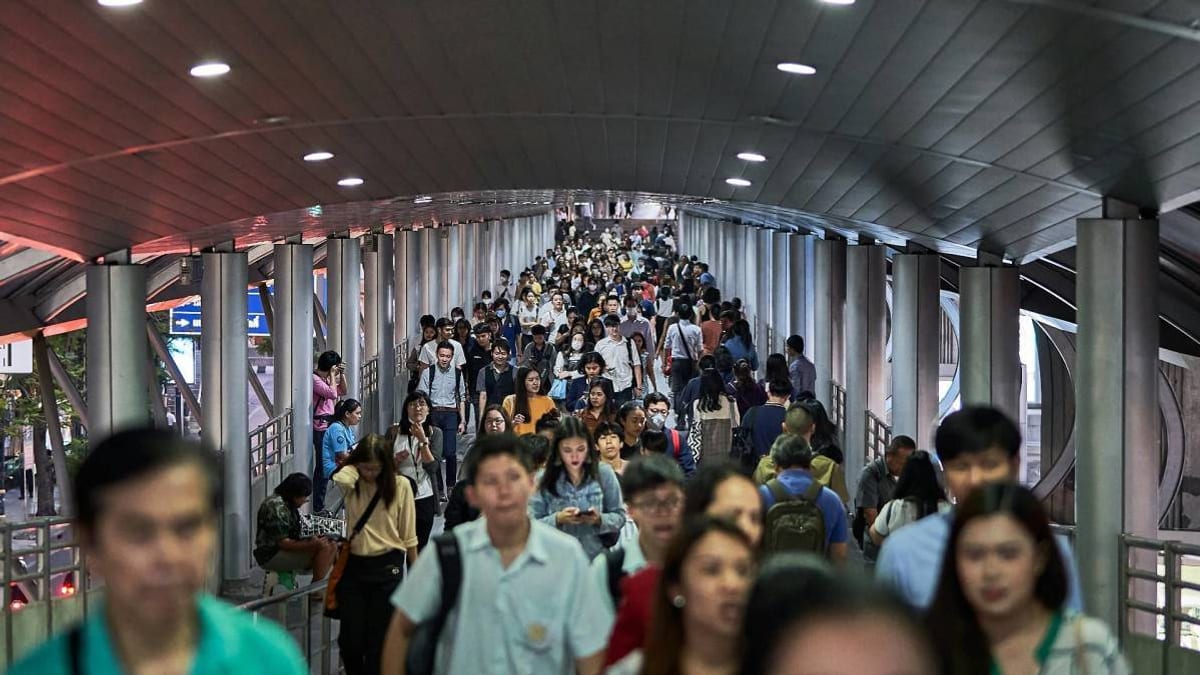
For passengers, the result has been packed concourses, long lines at rebooking counters and a scramble for scarce hotel rooms around major airports. Images and firsthand accounts shared in recent coverage depict hallways filled with roll-aboard bags and travelers stretched out on the floor as schedules slip further into the night.
Not One Airline’s Meltdown, but a Systemwide Squeeze
Unlike past headline-grabbing collapses centered on a single carrier, such as large-scale disruptions tied to technology outages in recent years, the current wave of problems is spread across the industry. Data and reporting on the early April disruptions show delayed and canceled flights at all of the major U.S. network airlines, many low-cost carriers and their regional partners.
Analyses from aviation and consumer-travel outlets emphasize that this is less a story of one airline’s mismanagement and more about a domestic system operating close to its limits. When storms or ground delays hit a hub shared by several carriers, all of them can struggle to recover because their networks depend on the same busy runways, airspace and air traffic control facilities.
Once delays start, late-arriving aircraft and crews can cause further knock-on problems. Aircraft scheduled for a quick turn at a hub may arrive hours late from a storm-impacted city, leaving the next departure without a plane. Flight and cabin crews can also “time out” under federal duty rules when their workdays stretch too long, forcing airlines to cancel flights even after weather has improved.
Publicly available performance data compiled by travel publications indicates that on some of the most disrupted days this spring, no single airline accounts for more than a small share of the total delays. Instead, passengers on multiple brands have faced missed connections, rebookings days into the future and route changes that sometimes bypass intended destinations entirely.
Weather, Staffing and Infrastructure Intertwine
Industry analysis points to three main drivers behind the latest surge in disruptions: volatile weather patterns, staffing constraints and infrastructure limitations within the national airspace system. Each of these factors alone can slow operations, but together they create the kind of cascading problems now stranding travelers.
Severe storms and shifting climate patterns have produced frequent lines of thunderstorms and heavy rain over high-traffic corridors, especially in the Northeast and Midwest. Aviation experts note that modern safety standards require greater spacing between aircraft in convective weather, meaning even modest storms can dramatically reduce the number of planes an airport can safely land or depart each hour.
At the same time, persistent staffing challenges are still visible in parts of the system. Public reports have highlighted gaps in air traffic control staffing at some facilities and tight labor markets for ground handlers and regional airline crews. When a key control center or airport tower is short-handed on a day with heavy traffic and weather complications, delays can multiply quickly.
Infrastructure and technology constraints add another layer of strain. Ongoing runway and taxiway projects at busy hubs can reduce capacity for months at a time, while upgrades to communications, navigation and airport power systems occasionally require operational slowdowns. Recent rule changes that limit simultaneous arrivals on closely spaced runways at San Francisco International Airport, for example, have led to a sharp cut in the number of possible landings per hour there, increasing the risk of backups during peak periods.
Federal Policies and Security Lines Add to the Backlog
Beyond the flight deck and control tower, conditions at airport checkpoints and security lanes are affecting how smoothly travelers move through the system. The ongoing Department of Homeland Security funding lapse that began in mid-February has led to reports of staffing shortages and pay disruptions for some airport security personnel, contributing to long lines and extended wait times at several large airports.
Recent coverage of the situation describes passengers in some cities being urged to arrive hours earlier than normal for flights, as security bottlenecks threaten to push travelers past boarding times even when flights depart relatively close to schedule. While these delays are distinct from those caused by weather or air traffic control restrictions, they add to the perception of a system under constant strain.
Airport operations are also feeling the pressure. Crowded gates, limited seating, and concessions stretched by surging passenger numbers have become common themes in reports from hubs such as Chicago, Dallas, Atlanta and major coastal gateways. When disruptions pile up over several days, hotel capacity near airports tightens, forcing some stranded travelers to remain in terminals overnight.
Transportation department guidance continues to distinguish between “controllable” delays, where airlines bear greater responsibility to assist passengers, and those tied to weather or broader national airspace issues. However, as overlapping causes become more common on busy travel days, the line between these categories can appear increasingly blurred to stranded travelers seeking help.
What Travelers Are Facing in the Days Ahead
With spring break travel still underway and more unsettled weather in the forecast, aviation analysts expect intermittent disruptions to continue across the U.S. network in the coming days. Airlines are working to reposition aircraft and crews after the latest storms, but residual delays and scattered cancellations are likely as schedules reset.
Consumer-focused travel guides advise passengers with near-term trips to build in additional time for connections, monitor their flights closely through airline apps and third-party trackers, and verify the status of inbound aircraft when possible. On heavily disrupted days, these tools can reveal whether a scheduled departure realistically has the plane and crew it needs to leave on time.
For now, the pattern emerging this spring suggests that there is no single malfunctioning airline or isolated control center responsible for the current frustrations. Instead, a mix of weather shocks, lean staffing and infrastructure constraints is exposing how tightly wound the U.S. aviation system has become, leaving travelers vulnerable to major delays even when only part of the network comes under stress.
As the busy summer season approaches, how airlines, airports and federal agencies respond to these warning signs will help determine whether this spring’s stranded passengers are an early preview of a more turbulent travel year or a prompt for overdue adjustments to scheduling, staffing and investment across the system.