

More news on this day
Thousands of U.S. air travelers spent the Easter travel period sleeping in terminals or scrambling for alternative routes as rolling delays and cancellations stacked up across multiple airlines, revealing a fragile aviation system where weather, technology and staffing problems now routinely collide.
Get the latest news straight to your inbox!
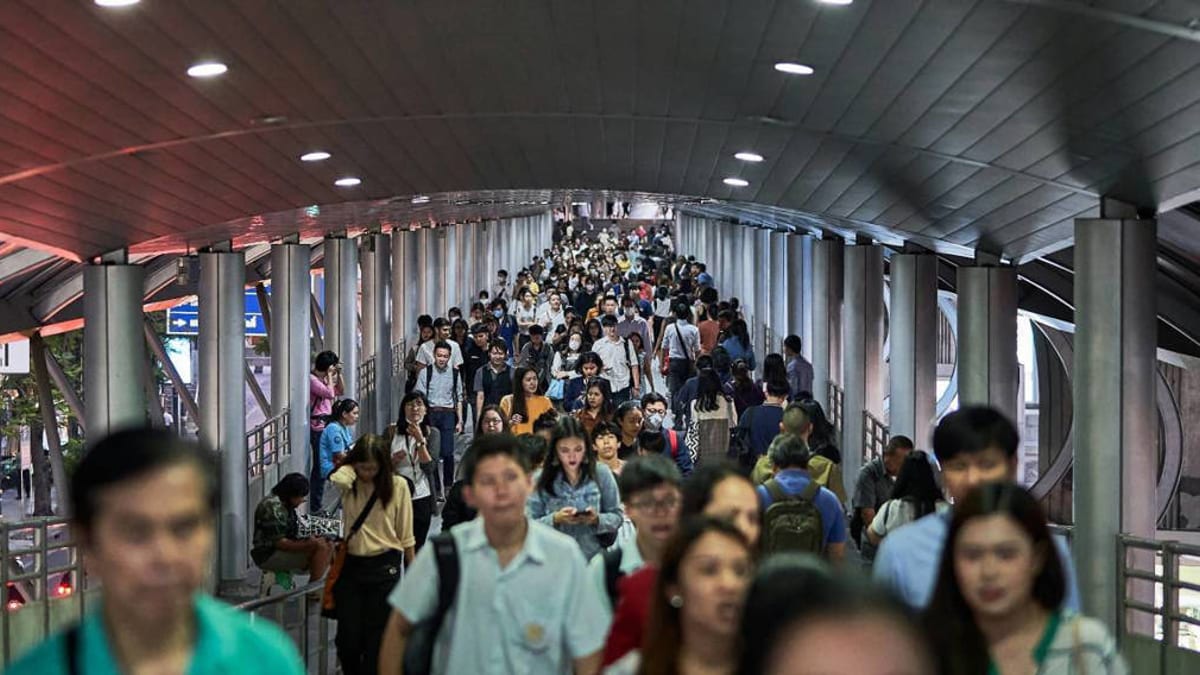
A Brutal Holiday Weekend Ripples Into a New Week
Publicly available tracking data and industry reports show that the disruption peaked over the Easter period and has yet to fully unwind. On April 6, more than 13,000 flights were delayed worldwide, with over 800 affecting services within, into or out of the United States. Those figures followed two consecutive days before the holiday with more than 15,000 delays each, plus thousands more on Saturday, creating a backlog that continued to push misaligned aircraft and crews into the following week.
Major hubs including New York, Chicago and Miami have reported particularly persistent congestion, with flights departing hours behind schedule even after the worst of the storms passed. Passengers arriving to what appeared to be clear skies encountered gate holds, long waits for available crews and aircraft, and missed connections that cascaded across airlines.
Travel analysts note that this pattern is no longer an isolated anomaly. A single day of heavy weather or an airport ground stop now appears enough to disrupt the network for several days, especially when it collides with peak travel windows such as Easter and spring break.
Weather Is Only the Spark in a Wider Chain Reaction
Severe thunderstorms, high winds and pockets of flash flooding across key corridors in late March and early April set the stage for many of the recent problems. Reports indicate that the Federal Aviation Administration implemented ground delay programs and intermittent ground stops at several large hubs to keep traffic within safe limits while storms moved through.
Yet aviation researchers and recent operational case studies suggest that weather has increasingly become just the trigger for much wider breakdowns. When storms shut down a major hub for even a few hours, arriving aircraft end up at the wrong airports, crews hit federally mandated duty limits before they can operate return flights, and tightly timed schedules leave little slack to absorb the shock.
Studies of the U.S. National Airspace System point to a small but growing share of days each year that qualify as “system disruption” events, when multiple regions experience knock-on delays that continue well after the initial weather has cleared. The Easter period appears to match that emerging pattern, with airlines still working through repositioning aircraft and staff days after the heaviest storms.
Technology Outages And Aging Systems Add Fuel To The Fire
Recent history shows how technology failures can amplify these stresses. In March, a short-lived system outage led JetBlue to request a temporary nationwide ground stop while it restored operations. Last year, a separate global software problem affecting security tools cascaded into days of disruption at Delta Air Lines and other carriers, with Delta alone canceling thousands of flights and later reporting a financial hit in the hundreds of millions of dollars.
United Airlines has also been reshaping its core technology, including a planned systems pause linked to a major upgrade earlier this year. Travel advisories around that work highlighted how even a scheduled outage can affect check-in, reservations and flight departures when multiple back-end systems are taken offline at once.
Aviation analysts argue that these recent episodes underscore how dependent large airlines have become on complex, highly integrated software. When disruptions occur during peak travel periods, there is limited capacity to recover quickly, especially if the outage overlaps with weather or staffing constraints. For passengers, the cause of a delay may be listed as weather, but the duration and severity often reflect how robust or brittle an airline’s technology and recovery playbook has become.
Staffing Gaps And Federal Strains Keep Lines Long
Staffing shortfalls are compounding the turbulence. According to published coverage, the Transportation Security Administration has lost hundreds of workers amid an ongoing partial federal government shutdown, adding pressure at checkpoints during one of the busiest travel windows of the year. Longer security lines slow the entire airport rhythm, from check-in desks to boarding gates.
Reports on air traffic control staffing over the past year have also highlighted persistent shortages in key facilities. When severe weather or ground delay programs force controllers to meter departures, fewer personnel and higher workloads can reduce flexibility to reroute aircraft or creatively manage bottlenecks. The result is a more rigid system in which every adjustment takes longer and leaves passengers waiting on tarmacs or in crowded departure halls.
Within airlines, ground handling and customer service roles remain under strain as well. As flights stack up, there are often not enough ramp workers to turn aircraft quickly or enough agents to rebook stranded travelers, distribute vouchers or answer basic questions. These labor gaps do not always show up directly in delay statistics, but they shape how long passengers remain stuck once things start to go wrong.
Why No Single Airline Can Be Blamed
While passengers may experience the chaos through the lens of a particular carrier, experts increasingly describe the current environment as a network problem rather than a single-airline issue. Flight operations are deeply interconnected: one airline’s hub can serve as a key spoke for another, and shared runways, airspace sectors and security lanes mean that delays at one terminal can quickly spill over to neighboring ones.
During the recent disruptions, multiple large U.S. airlines reported elevated delay levels simultaneously, as they all relied on the same weather-affected routes, air traffic control resources and airport infrastructure. Even carriers that avoided large waves of cancellations still saw on-time performance deteriorate as they inherited late-arriving passengers and aircraft from other networks.
Policy papers and government briefings over the past year have emphasized that improving reliability will likely require changes beyond any single company, including modernization of air traffic systems, clearer rules on passenger rights during controllable delays, and investments in both technology resilience and staffing. Until those structural issues are addressed, episodes like the Easter travel meltdown are expected to recur, particularly at times when demand is surging and every part of the system is already operating near its limits.