

Portugal’s calendar is full of lively festivals, solemn processions and world-class cultural events that can transform a good trip into a great one. Some of these occasions bring entire cities to a joyful standstill, while others turn remote villages and coastal towns into destinations for a few remarkable days each year. For travelers, understanding what happens when is essential, whether you want to plunge into the crowds or plan around road closures and higher prices. The following guide highlights major events in Portugal that are worth considering as you map out your journey.
Carnaval: Portugal’s Big Winter Party
Carnaval is Portugal’s exuberant pre-Lent celebration, usually held in February or early March, depending on the date of Easter. Across the country, towns put on costumed parades, samba-inspired music, and satirical floats that poke fun at politics and pop culture. The most famous celebrations take place in Torres Vedras, often described as one of the country’s most traditional Carnaval towns, and in Loulé in the Algarve, where colorful processions and marching bands draw visitors from across the region. Smaller events appear almost everywhere, from community halls to seaside promenades, giving travelers many options to join the fun.
For trip planning, Carnaval has two implications. First, it is a festive time to visit if you enjoy crowded streets, loud music and late-night parties. Accommodation in popular Carnaval towns can book up well in advance, and prices often rise around the main parade days and the long weekend that typically surrounds Shrove Tuesday. Second, if you prefer quieter streets and easier logistics, you may want to avoid those specific hotspots or base yourself just outside and visit by day. Inland and rural areas that do not host major parades can remain relatively calm, making them an appealing alternative if you are traveling during this period but not seeking full immersion in the festivities.
Weather-wise, Carnaval sits in late winter, a season that can be rainy and cool but also offers clear, bright days. Packing layers, a waterproof jacket and comfortable footwear is wise, especially if you plan to stand for hours watching parades. Because the dates vary each year, checking the current calendar before booking flights is important. When timed well, a Carnaval visit can provide a vivid dose of Portuguese humor, creativity and community spirit at a moment when many travelers still associate Europe with the low season.
Holy Week and Easter: Faith, Tradition and Processions
Portugal’s Holy Week, culminating in Easter Sunday, is one of the most significant religious periods of the year. In cities, towns and villages, churches organize processions that wind through historic streets, often lit by candles and accompanied by solemn music. The atmosphere can be deeply reflective, with local communities turning out in large numbers. Braga in the north is particularly renowned for its elaborate Holy Week observances, which can include costumed participants, intricate floral decorations and extended church services.
For travelers, Holy Week offers a powerful glimpse into the country’s Catholic heritage. It can also affect opening hours and logistics. Some museums and smaller businesses close on key religious days such as Good Friday, and there may be interruptions to normal traffic patterns when processions take place. If you plan to attend, arrive early to secure a good vantage point and be prepared for crowds in historic centers, especially in well-known pilgrimage cities and towns.
Accommodation demand in major religious centers tends to rise around Easter, though not always as dramatically as during peak summer months. If you are interested in experiencing Holy Week, booking your stay several months in advance is prudent, particularly in Braga, Óbidos and larger cities such as Lisbon and Porto. If you prefer to sightsee without disruption, consider scheduling museums and day trips away from the most intense procession times, and verify holiday opening hours as the dates approach.
Festa de São João in Porto: The Night the City Does Not Sleep
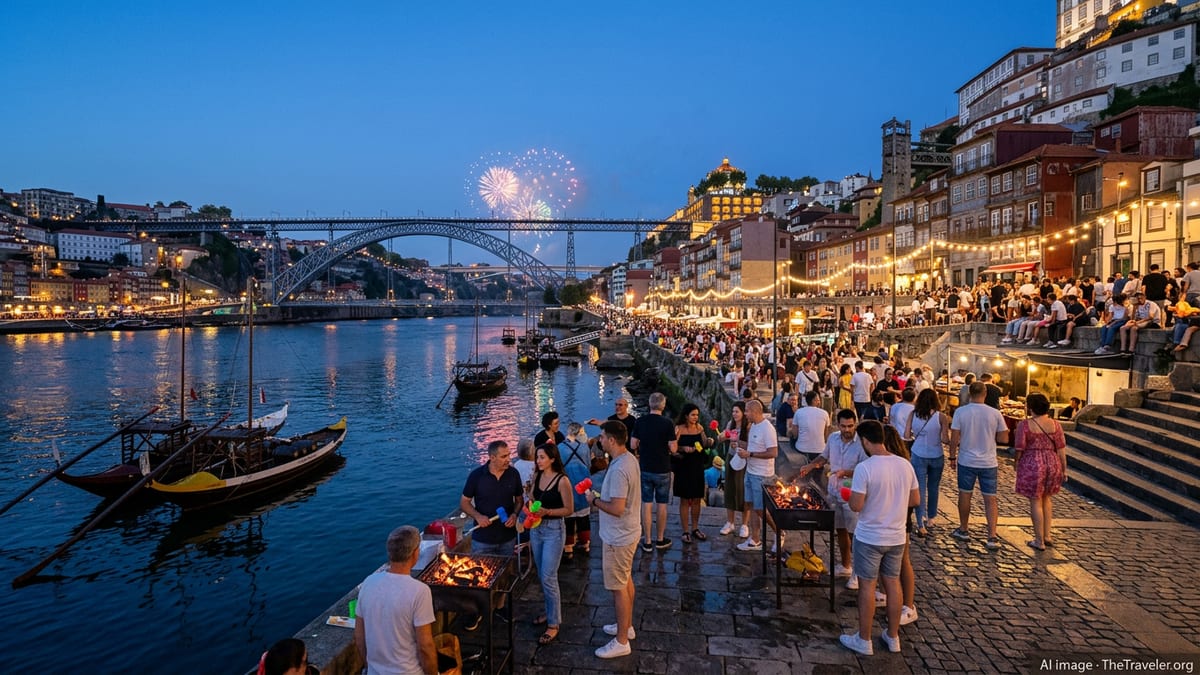
Every year on the night of 23 June, Porto explodes into one of Europe’s liveliest street parties during the Festa de São João. This midsummer celebration honors Saint John the Baptist and blends Christian and ancient solstice traditions into an all-night event. Streets across the city fill with food stalls grilling sardines, families setting up long communal tables, and revelers carrying plastic hammers and leek flowers. It is customary to gently tap friends and strangers on the head with the hammers, an act that has become a playful symbol of the festival.
The festivities build steadily through the evening, with concerts, street performances and dancing in neighborhoods from the historic Ribeira riverfront to the higher quarters of the city. At midnight, eyes turn to the sky for an elaborate fireworks display over the Douro River, which can last many minutes and is visible from riverbanks, bridges and hilltop viewpoints. Afterward, crowds often walk toward the Atlantic, continuing the celebration along Porto’s coastal neighborhoods until sunrise. The scale and spontaneity of the night mean that public transport, taxis and ride services are in heavy demand, and car traffic in central areas becomes difficult.
If you plan to experience São João, booking accommodation early in Porto is essential. Hotels and guesthouses in central districts typically fill well ahead of June, and rates are higher than in quieter weeks. Allow flexibility in your schedule for late nights and slow mornings, and pack comfortable shoes for hours on cobblestones. If you are more interested in sightseeing than in street festivals, consider visiting Porto just before or after São João, when the city’s main attractions are easier to access and prices are more moderate, but decorations and some of the anticipatory energy may still be present.
Summer Music Festivals: From Coastal Stages to Inland Escapes
Portugal’s summer is defined in part by its music festivals, which attract international performers and large crowds of fans. Alongside long-established events such as NOS Alive near Lisbon and festivals along the Atlantic coast, one of the best-known gatherings is Boom Festival, a large-scale transformational and electronic music festival held every two years near Idanha-a-Nova. Boom typically takes place in July or August and draws attendees from well over one hundred countries, turning a quiet inland area into a temporary city with stages, art installations and workshops.
Further north, Porto hosts NOS Primavera Sound in early summer, usually around June. This festival brings a broad mix of rock, indie, electronic and experimental artists to a park overlooking the Atlantic, giving attendees the chance to combine daytime city exploration with evening concerts. While exact lineups and dates change each year, the presence of prominent international names keeps these events on the radar of travelers who plan trips around live music. Other festivals, both large and small, dot the coast and countryside from late May through early September, ensuring that most summer itineraries can intersect with at least one major concert series.
Practical considerations for festival travel in Portugal include accommodation, transport and heat. Festival dates often coincide with the broader European holiday season, so hotels, apartments and campsites near the venues can sell out quickly and become significantly more expensive. Some events offer on-site camping, which may appeal to budget travelers but also requires advance planning and suitable gear. Public transport services are sometimes extended or supplemented with special shuttle buses for major festivals, but schedules can change close to the event and should be checked carefully.
If you are not attending a particular festival, you may still feel its impact. In cities such as Lisbon and Porto, hotel prices can rise around big music weekends, and popular districts may feel noticeably busier with concertgoers. On the other hand, daytime attractions can be slightly quieter when many visitors are resting before the evening’s shows. Building flexibility into your plans, especially around check-in and check-out days, will allow you to adapt to crowds and transport changes.
Pilgrimage and Faith: Fátima and Other Devotional Gatherings
Fátima, a town in central Portugal, is one of the most important Catholic pilgrimage sites in Europe. It is best known for the reported apparitions of the Virgin Mary to three shepherd children in 1917. Each year, key dates in the devotional calendar, particularly 13 May and 13 October, bring vast numbers of pilgrims to the Sanctuary of Fátima. Many arrive on foot from distant regions, filling roads and paths leading into the town, while others travel by coach or car for large outdoor Masses and candlelit processions.
For visitors, these peak pilgrimage dates can be either a highlight or a logistical challenge. The atmosphere is intensely spiritual, with prayer, singing and reflection extending late into the night. At the same time, accommodation in and around Fátima can be fully booked, and services such as restaurants and shops may experience long queues. If you wish to witness the main gatherings, arrange your lodging well in advance and expect heavy traffic on approach roads. If your interest lies more in exploring the sanctuary complex at a gentler pace, consider visiting outside the major anniversaries, when crowd levels are lower and it is easier to find quiet spaces.
Elsewhere in Portugal, local religious festivals and processions often honor patron saints or mark important dates in the liturgical year. While not on the same scale as Fátima, they can significantly shape the feel of a town for a day or a weekend. Travelers might encounter flower-strewn streets, temporary altars, marching bands and firework displays in places that are otherwise tranquil. These events can cause brief road closures and changes to public transport routes, but they also offer a strong sense of community life and continuity with older traditions.
Regional Fairs, Food Festivals and Harvest Celebrations
Portugal’s regional identity is expressed vividly through its fairs and food festivals, many of which are tied to agricultural cycles and local specialties. Wine regions host harvest-related celebrations in late summer and early autumn, when grapes are picked and new vintages begin their journey in the cellars. In the Douro Valley, for example, traditional grape stomping and producer-led tastings sometimes form part of seasonal events that draw visitors eager to experience wine country at its most active moment of the year.
Coastal towns, particularly in the Algarve and along the central shore, often organize festivals around seafood and shellfish, highlighting sardines, octopus, clams and other local catches. These events can feature open-air grills, live music and family-friendly activities on or near the waterfront. For travelers, they are an opportunity to sample regional dishes in a lively, informal setting and to learn how Portuguese cooking reflects geography and history. Prices at food stalls are typically moderate, but demand at popular times can be high, so arriving early in the evening is sensible.
Inland, traditional fairs may center on regional cheeses, cured meats, chestnuts or olives, with stalls selling artisanal products and crafts. While not always widely advertised internationally, they often coincide with weekends or public holidays and can significantly increase local hotel bookings. If your itinerary includes smaller towns or rural areas, checking regional event calendars can help you decide whether to embrace the bustle of a fair or seek a quieter alternative date. Harvest and food festivals rarely disrupt transport on a national scale, but they can affect parking, restaurant availability and the general pace of life in a given place for a few days.
Sporting Highlights: From City Marathons to Island Rallies
Portugal’s sporting calendar adds another dimension to travel planning, especially if you are a participant or spectator. Lisbon and Porto both host major city marathons and half marathons that attract international runners and involve significant road closures through central districts. These events are usually held in spring or autumn, when temperatures are milder and conditions are more comfortable for long-distance running. Even if you are not racing, the festive atmosphere along the routes, with music, cheering crowds and scenic backdrops, can be enjoyable to witness.
Farther afield, the island of Madeira stages one of its biggest annual sporting events with the Rali da Madeira, a tarmac rally that traditionally takes place in late July or early August. The rally sends cars racing along challenging mountain roads and coastal routes, drawing spectators to viewpoints and roadside vantage points. For visitors, the event can be both thrilling and disruptive. Certain roads close temporarily during stages, and some mountain and rural areas become crowded with fans. Booking accommodation near key viewing areas requires advance planning, and allowing extra travel time is wise if you are driving around the island during rally days.
Other sporting occasions, from surfing competitions on the Atlantic coast to sailing regattas and trail running races in the interior, add variety to the country’s event calendar. While most have a more localized impact than major city marathons or island-wide rallies, they can still influence prices and availability in small communities. Checking for scheduled sports events in destinations like Nazaré, Peniche, Ericeira or the Azores before you finalize dates can help you avoid surprises or, if you are a sports enthusiast, help you plan to be there at exactly the right moment.
The Takeaway
Portugal’s major events can profoundly shape a trip, creating opportunities for unforgettable experiences but also adding layers of complexity to logistics. From winter’s Carnaval parades and Holy Week processions to the midsummer intensity of São João in Porto and the long rhythm of music festivals, the country’s calendar offers something for nearly every interest. Religious gatherings, regional food fairs and sporting competitions round out a year that is far richer than a simple division into low, shoulder and high tourist seasons might suggest.
For travelers, the key is to decide whether you want to lean into the energy of these events or work around them. If your dream is to dance under fireworks in Porto, join pilgrims in Fátima or cheer on rally cars in Madeira, early planning for accommodation and transport is essential. If, instead, you prefer quieter streets and shorter queues, you can use event calendars to choose nearby towns or slightly different dates, enjoying the ambiance of decorations and preparations without the most intense crowds.
Whichever approach you take, building awareness of Portugal’s major events into your planning will help you set realistic expectations, avoid avoidable stress and align your trip with the type of experience you value most. In a country where tradition and celebration remain deeply woven into daily life, timing your visit thoughtfully can turn a simple journey into a memorable encounter with living culture.
FAQ
Q1. When is the best time to visit Portugal if I want to avoid major crowds from big events?
The quietest periods often fall from November to early March outside Christmas and Carnaval, and mid-October can also be calmer once the main festivals and summer holidays end.
Q2. How far in advance should I book hotels for events like São João in Porto or major music festivals?
Booking several months ahead is sensible, especially for central locations. For peak nights during major festivals, reserving as soon as dates are announced greatly improves your options.
Q3. Are public transport services affected during large festivals and processions?
Yes, buses and trams may be rerouted, and some streets can close to vehicles. On the positive side, extra late-night services or special shuttles are sometimes added for big events.
Q4. Is it suitable to bring children to Portuguese street festivals such as Carnaval or São João?
Most festivals are family-friendly, especially earlier in the evening. Later at night, crowds can be dense and noisy, so parents should be prepared to leave before things become overwhelming.
Q5. How can I find out exact dates for festivals and sporting events while planning my trip?
Official tourism offices, city councils and event organizers publish updated calendars each year. Checking close to your booking dates helps ensure you are working with the latest information.
Q6. Do prices for hotels and flights increase significantly around major events?
Prices often rise around large festivals, marathons and peak pilgrimage dates, particularly in smaller destinations with limited accommodation. Flexibility with dates or nearby towns can reduce costs.
Q7. What should I pack if I am attending outdoor events in Portugal?
Comfortable shoes, layers, sun protection and a light waterproof jacket are useful in most seasons. For all-day or all-night events, consider portable chargers and a small daypack for water and snacks.
Q8. Are big events in Portugal generally safe for visitors?
Large gatherings are usually well organized, and serious incidents are uncommon. Normal big-crowd precautions apply, such as keeping valuables secure and agreeing on meeting points if you are in a group.
Q9. Can I experience traditional events without speaking Portuguese?
Yes, many rituals and performances are visually rich and easy to follow. In major cities and tourist areas, staff in hotels, restaurants and visitor centers often speak English and can help explain local customs.
Q10. How can I be respectful when attending religious festivals or processions?
Dress modestly, keep a reasonable distance from participants, avoid blocking processions for photos and remain quiet during prayers or speeches. Observing how locals behave is a good guide.