

More news on this day
Travellers across Australia faced widespread disruption on 9 April as hundreds of flights were delayed or cancelled at major airports, stranding passengers and triggering knock-on effects across domestic and international networks.
Get the latest news straight to your inbox!
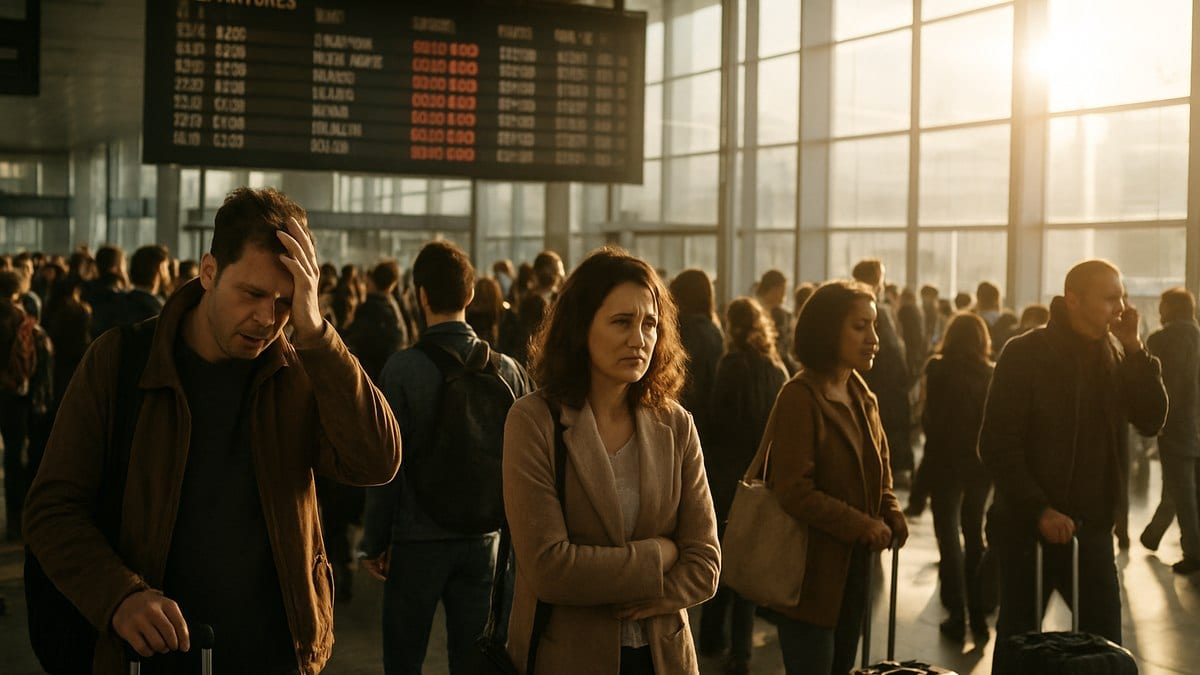
Delays and Cancellations Mount at Key Australian Hubs
Publicly available operational data and travel trade reporting for 9 April indicate a sharp spike in disruption across Australia’s busiest airports, including Sydney, Melbourne, Brisbane and Perth. A national tally compiled from open flight-tracking feeds points to roughly 460 delayed services and at least three dozen cancellations over the course of the day, impacting both peak business periods and school holiday travel.
The disruption affected a broad mix of domestic and regional routes, with Sydney and Melbourne bearing a significant share of delays due to their role as the country’s main connecting hubs. Passengers on short-haul links such as Melbourne to Sydney and Brisbane to Sydney reported extended waits on the ground, aircraft held at gates, and rolling schedule revisions that pushed some departures into late evening.
Operational issues appeared across multiple carriers, with Qantas, Jetstar, Virgin Australia and Network Aviation all registering irregular operations in publicly available movement logs. While the precise contribution of each factor varied by airport and time of day, the net effect for passengers was a day of highly unpredictable schedules and crowded terminals.
International connections were also affected as late-running domestic feeder flights missed their planned onward departures. Travellers bound for destinations in Asia, the Middle East and North America faced last-minute rebookings or enforced overnight stays when minimum connection times could no longer be met.
Weather, Staffing and Air Traffic Constraints Combine
Context from recent days suggests that the 9 April disruption did not stem from a single catastrophic event, but from a combination of weather, staffing constraints and air traffic management pressures. In the weeks leading up to the latest problems, Australia’s airline and airport network had already been coping with lingering effects from severe tropical weather in Western Australia and Queensland, which damaged infrastructure and forced diversions on some routes.
Although major cyclone systems had largely moved on by early April, knock-on scheduling challenges and aircraft positioning issues can persist for days. When these structural pressures intersect with routine bouts of poor weather, runway works or congestion in terminal airspace, the result is a system highly vulnerable to cascading delays.
Industry performance reports released in recent months have also highlighted the sensitivity of on-time running to staffing levels across airlines, ground handling providers and air navigation services. Even modest shortfalls in available crew or technicians can trigger aircraft swaps, last-minute maintenance checks or tighter separation on busy approach paths, all of which contribute to longer queues on the tarmac.
On 9 April, that backdrop appears to have aligned with heightened seasonal travel demand to create a tipping point. Once early-morning rotations began running behind schedule, subsequent waves of flights struggled to recover, leaving little slack in the system to absorb further disruption later in the day.
Travel Plans Disrupted for Business, Leisure and Regional Passengers
The impact of the 9 April disruption was felt across a wide cross-section of travellers. For business passengers commuting between capitals, delayed departures and missed meetings added to broader concerns about reliability on core trunk routes such as Sydney to Melbourne and Brisbane to Melbourne, which are among the busiest domestic corridors in the world.
Leisure travellers and families on school holiday itineraries faced particular stress as delays threatened carefully timed connections to cruises, tours and package holidays. In some cases, late-running domestic legs caused passengers to miss once-daily international departures, forcing them to reorganise accommodation and activities at short notice.
Regional communities, which rely heavily on a limited number of daily services, were also exposed when cancellations removed entire rotations from the schedule. Travellers departing or arriving through smaller airports had fewer alternatives when their flights were disrupted, with some needing to travel by road to larger hubs in the hope of securing standby seats.
The disruption on 9 April also created a backlog of passengers seeking re-accommodation in the following days. Even as operations gradually stabilise, heavily booked services mean that some travellers may face extended waits before they can be rebooked on suitable flights, particularly on popular weekend and holiday departures.
Passenger Rights and Airline Responses Under Scrutiny
The latest wave of disruption is drawing renewed attention to what passengers can expect from airlines when flights are delayed or cancelled. Public guidance published by major Australian carriers sets out varying commitments on rebooking, refunds, meals and accommodation, typically distinguishing between causes within an airline’s control, such as technical or staffing issues, and external factors like severe weather or air traffic restrictions.
Consumer-facing advisories emphasise the importance of travellers keeping contact details up to date and monitoring airline apps or airport information screens for live updates, particularly on days when disruption is widespread. Many airlines now offer same-day change tools and automated rebooking options that can reduce time spent queuing at airport service desks when schedules unravel.
Recent reports from regulators and transport agencies have also pointed to long-running concerns about transparency around the causes of delays and cancellations. Advocacy groups argue that clearer, more consistent communication would help travellers make informed decisions about whether to pursue refunds, request alternative routing, or seek compensation where applicable under consumer protection frameworks.
The 9 April events are likely to feed into this ongoing debate, with policymakers and industry observers examining how the system performed under stress and whether existing passenger protections are adequate for a market still adjusting to post-pandemic travel patterns and recurrent weather-related shocks.
What Travellers Can Do When Disruption Hits
For passengers still navigating the aftermath of the 9 April disruptions, travel experts highlight a number of practical steps that can help reduce inconvenience. Checking in online as early as possible, monitoring real-time departure and arrival boards, and enabling push notifications in airline apps can give travellers earlier warning of schedule changes.
When flights are significantly delayed or cancelled, publicly available airline policies usually outline options to move to a later departure, request a credit, or in some cases obtain a refund to the original form of payment. Travellers facing long overnight delays may be eligible for meal vouchers, hotel accommodation or ground transport, depending on the cause of disruption and the specific conditions of carriage.
Those with time-sensitive commitments such as cruises, tours or long-haul connections are often advised to build additional buffer into their itineraries, particularly during peak holiday periods or when forecasts point to unsettled weather. Travel insurance that includes cover for missed connections and additional accommodation can also provide an extra layer of protection when events like those of 9 April ripple through the network.
As airlines and airports work to restore normal patterns in the days ahead, the events in Australia on 9 April serve as a reminder that even mature aviation markets remain vulnerable to shocks. For travellers, understanding how to navigate those disruptions has become an essential part of planning any journey.