

More news on this day
Hundreds of travelers have been left sleeping on terminal floors and scrambling for scarce rebooking options as major Polish airports grapple with a new wave of flight disruptions tied to wider turbulence across Europe’s aviation network.
Get the latest news straight to your inbox!
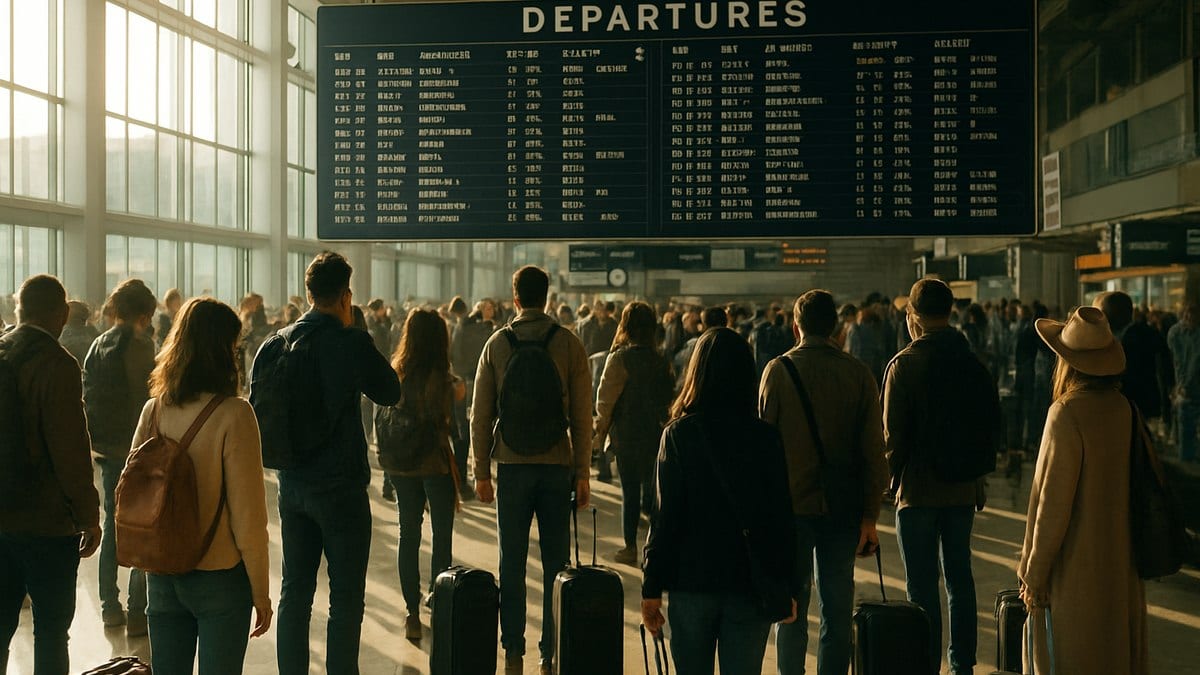
Wave of Cancellations at Poland’s Busiest Hubs
Poland’s top airports, including Warsaw Chopin, Kraków John Paul II, Gdańsk Lech Wałęsa and Katowice, have reported elevated levels of disruption in recent days, with delays and cancellations rippling through domestic and international schedules. Flight tracking data and published coverage of European air travel in early April highlight Poland among a cluster of countries seeing mounting operational strain as the spring travel season gathers pace.
Publicly available information from passenger rights organizations and aviation analytics firms indicates that the surge in disruption is part of a wider pattern across the continent, with hundreds of flights delayed or cancelled at major hubs since the start of the month. When aircraft and crews arrive late from other European airports, knock on effects quickly cascade into Poland’s tightly timed banks of departures and arrivals, leaving local travelers facing missed connections and last minute itinerary changes.
At Warsaw Chopin, the country’s primary international gateway, reports of extended queues, late evening cancellations and aircraft arriving significantly behind schedule have become more frequent since late March. Similar scenes have been described at Kraków and Gdańsk, where busy low cost and leisure routes are particularly exposed to any disturbance in aircraft rotations elsewhere in Europe.
Airspace Restrictions and Regional Tensions Add Pressure
Beyond individual airline or airport issues, structural constraints on airspace are also weighing on reliability. Public notices and specialist logistics briefings show that Poland introduced temporary flight restrictions over its eastern regions in March, covering areas close to the borders with Ukraine and Belarus through early June. These measures, layered on top of existing rerouting around Ukrainian airspace, have subtly altered traffic flows and added complexity to route planning for some carriers.
According to transport industry commentary, rerouted corridors and constrained sectors can lengthen flight times, complicate crew duty schedules and leave less slack in daily operations. When weather or congestion hits key control sectors elsewhere in Europe, the reduced flexibility makes it harder to absorb shocks without resorting to delays or cancellations. For passengers, the direct impact is most visible in longer block times, tighter connections and higher risk of missed onward flights through Polish hubs.
Regional tensions beyond Poland’s borders are also shaping airline decision making. Coverage of recent disruptions linked to airspace closures in the Middle East, for instance, underlines how a shutdown thousands of kilometers away can still affect European carriers that operate long haul services via Polish airports. Even when flights to Poland are not cancelled outright, altered routings and late arriving aircraft can create rolling delays that compound over several days.
Weather and Network Fragility Stranding Passengers
Severe weather across Western and Northern Europe at the turn of March and April has already disrupted hundreds of flights at major hubs, according to passenger assistance providers that track operational data. When large airports such as Frankfurt, London Heathrow or Madrid experience mass delays, the effect radiates outward along their many connecting routes, including services into and out of Poland.
Travelers transiting through Polish airports have reported long waits, missed connections and, in some cases, being told that the next available seat on their route would not depart until the following day or later. Publicly available information from consumer advocacy groups suggests that, during recent episodes of disruption, many stranded passengers faced rebooking windows exceeding 24 hours, particularly on busy intra European and leisure routes with limited spare capacity.
The situation highlights what aviation analysts describe as growing fragility in Europe’s air travel network. After several years of recovery and rapid traffic growth following the pandemic slump, airlines are operating fuller schedules with leaner staffing and smaller operational buffers. As a result, when storms, airspace restrictions or technical glitches occur, the margin for error is reduced and recovery times lengthen, leaving more travelers stuck at intermediate points such as Warsaw, Kraków or Gdańsk.
Impact on Tourism, Business Travel and Cargo Flows
The disruptions come at a delicate moment for Poland’s tourism and business travel sectors. Official aviation statistics show that Warsaw Chopin handled the largest number of passengers in the country last year, while regional airports such as Kraków, Gdańsk and Katowice have been expanding their networks of leisure and low cost connections. As spring city breaks and early season beach holidays ramp up, any sustained loss of reliability risks denting traveler confidence.
Industry observers note that Poland has been positioning itself as a convenient gateway between Western Europe and destinations in Central and Eastern Europe, as well as a growing hub for long haul links via major alliance partners. Persistent disruption undermines that appeal, particularly for time sensitive business travelers who may opt for alternative routings through other regional hubs if they perceive Polish airports as prone to cascading delays.
The knock on impact is not limited to passengers. Logistics advisories circulated in recent weeks point to delays in air cargo flows through Warsaw, where extended ground handling times and schedule changes have affected some shipments. With manufacturers and e commerce operators relying on predictable air freight connections, even moderate disruption can require contingency planning, inventory adjustments and, in some cases, temporary shifts to road or rail alternatives.
What Travelers Can Expect in the Coming Days
While individual airlines and airports have not published unified forward looking disruption forecasts, publicly available commentary from aviation experts suggests that passengers using Polish airports in the coming days should prepare for a continued period of heightened uncertainty. The combination of ongoing airspace constraints in parts of Europe, unsettled spring weather and the approach of busier holiday travel periods increases the likelihood of further irregular operations.
Travel specialists generally recommend that passengers schedule longer connection times when routing through Warsaw, Kraków or Gdańsk, particularly on itineraries that rely on late evening short haul feeders connecting to long haul departures. Monitoring flight status frequently via airline apps and airport information screens is also advised, as same day schedule changes have become more common during periods of network stress.
Consumer advocates emphasize that European air passenger regulations remain in force, giving eligible travelers rights to care such as meals and accommodation during long delays, and in some cases financial compensation depending on the cause of disruption. However, with hundreds of people seeking assistance simultaneously when major irregularities occur, hotel rooms and alternative flights can quickly become scarce, making advance planning and flexible itineraries increasingly valuable for anyone passing through Poland’s busiest airports in the near term.