

More news on this day
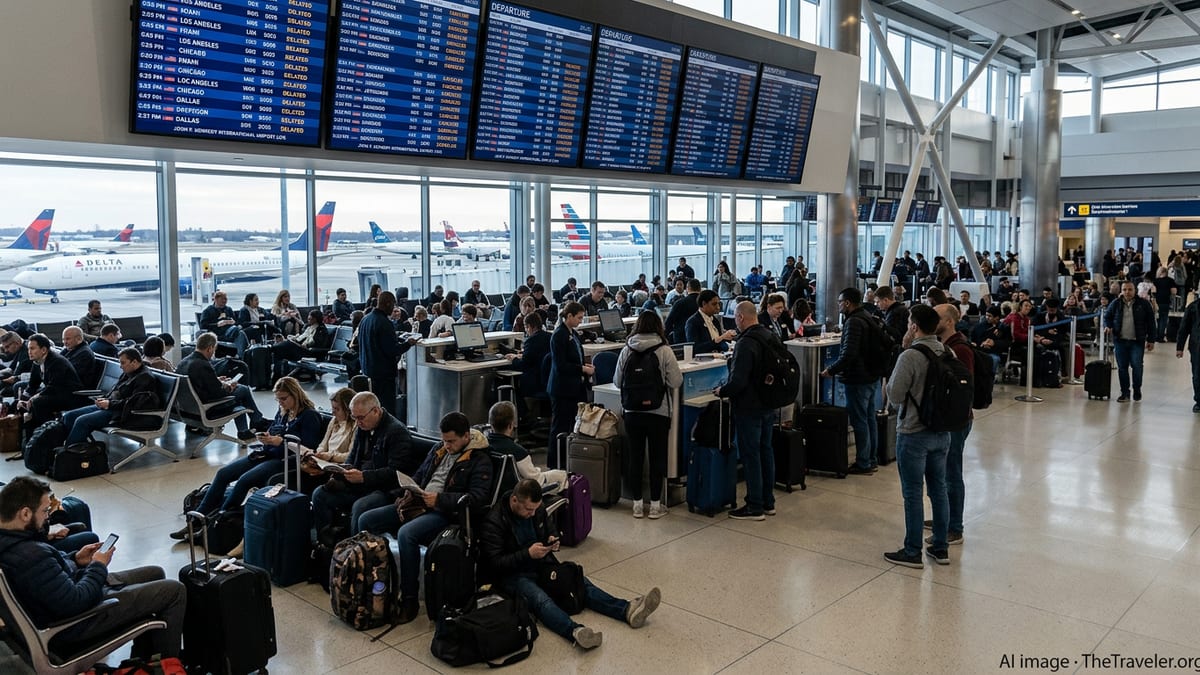
Hundreds of travelers were left stranded at New York’s John F. Kennedy International Airport today as 265 flights were delayed and 31 were canceled, disrupting operations for major carriers including Delta Air Lines, JetBlue, and American Airlines on key domestic routes to cities such as Los Angeles, Miami, Chicago, and Dallas.
Get the latest news straight to your inbox!
Heavy Disruptions Ripple Across Major U.S. Routes
The wave of delays and cancellations at JFK quickly rippled through some of the busiest domestic corridors in the United States, snarling travel plans for business and leisure passengers alike. Flights scheduled to depart for Los Angeles, Miami, Chicago, and Dallas were among the hardest hit, with many departures pushed back by several hours and others scrubbed entirely.
Airlines warned that knock-on effects would likely continue into the evening as aircraft and crews fell out of position. With JFK serving as a major transcontinental and international gateway, disruptions on east coast departures also affected onward connections, leaving some travelers stranded mid-journey or forced into overnight stays.
Inside the terminals, departure boards showed long columns of yellow and red next to flight numbers, reflecting a mix of weather and operational challenges. Passengers reported repeated gate changes and rolling delay announcements that stretched what should have been short waits into all-day ordeals.
Delta, JetBlue, and American Struggle to Reprotect Passengers
Delta, JetBlue, and American Airlines, all of which operate extensive schedules out of JFK, moved to rebook affected customers where possible, but limited remaining seat availability constrained options. Staff at customer service desks worked through long lines as travelers requested alternative routings, hotel accommodation, and meal vouchers.
Some passengers were offered same-day reroutes via other hubs such as Atlanta, Charlotte, and Dallas–Fort Worth, while others were told the first available seats would not be until the following day. The uneven distribution of disruptions meant that relatively unaffected flights filled quickly, leaving those booked on heavily delayed or canceled services with few immediate choices.
Several travelers described spending hours in telephone queues with airline call centers while simultaneously trying to secure help at airport counters. Others opted to abandon air plans entirely, turning instead to intercity rail or rental cars for trips to nearby destinations when that proved faster than waiting for a new flight.
Operational Strain and Weather Complicate Recovery
Industry analysts noted that even modest weather disturbances or air traffic control constraints can now trigger outsized disruptions at hub airports, given tightly scheduled operations and high load factors. A cluster of delays early in the day at JFK compounded quickly, resulting in aircraft waiting for gates, longer turnaround times, and missed crew connections.
Once cancellations begin, airlines often prioritize maintaining longer-haul and international services, which can mean regional and shorter domestic flights absorb a disproportionate share of the disruption. Routes to cities like Chicago and Dallas are particularly vulnerable because they function as feeder links into other airline networks, so a cancellation there can cascade into multiple missed onward flights.
Airport officials urged travelers with upcoming departures to monitor their flight status closely and to avoid arriving at the airport significantly earlier than advised, in an attempt to reduce congestion in check in halls and security lines. They emphasized that while the bulk of operations would continue, recovery could extend well beyond the initial day of disruption.
Travelers Face Long Waits, Extra Costs, and Frayed Nerves
For passengers caught in the disruption, the impact was measured in missed meetings, lost vacation time, and unexpected expenses. Families traveling with children described scrambling for last minute hotel rooms near the airport, while solo travelers spoke of sleeping in terminal seating areas to avoid the cost of an overnight stay.
Lines formed at food outlets and charging stations as delays dragged into the evening, and many passengers expressed frustration over what they perceived as limited real time communication about revised departure times. Some said they received conflicting information from airline apps, gate agents, and text alerts, making it difficult to know whether to remain at the gate or seek alternative arrangements.
Consumer advocates reminded affected travelers to retain receipts for meals, transport, and lodging associated with long delays or cancellations, as some expenses may be reimbursable depending on airline policy and the cause of the disruption. They also advised checking for fee free rebooking options and digital tools that allow passengers to change flights without waiting on a phone line.
What Passengers With Upcoming JFK Flights Should Do
With schedules still in flux, travelers due to depart from JFK in the next 24 hours were urged to treat flight status checks as essential pre departure steps. Airlines advised customers to confirm departure times via official apps or customer service channels before leaving home, and to allow additional time at the airport in case of longer queues at security or boarding.
Experts recommended that travelers on multi leg itineraries consider the minimum connection times at intermediate hubs and, where feasible, proactively move to earlier flights to preserve buffers. Those with time sensitive commitments at their destinations, such as cruises, business events, or international connections, were encouraged to explore options to travel a day earlier when possible.
While airlines work to restore normal operations, the disruptions at JFK serve as a reminder of the fragility of complex air networks during peak periods. For many of today’s stranded passengers, the episode underscored the value of flexible tickets, travel insurance that covers delays, and keeping essential items including medications, chargers, and a change of clothes in carry on bags in case plans unravel unexpectedly.