

More news on this day
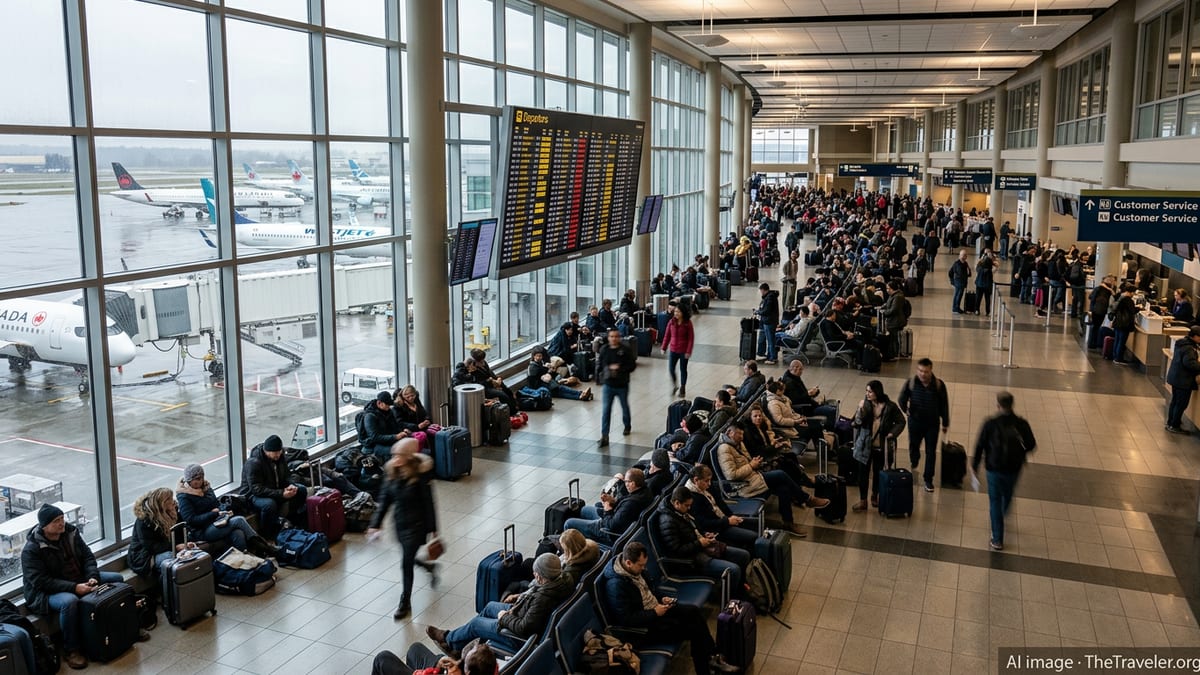
Hundreds of travellers were left scrambling at Vancouver International Airport as a wave of cancellations and delays affecting at least 23 flights and 109 departures and arrivals disrupted major routes linking Vancouver with Victoria, Kelowna, Calgary, Terrace, Miami and other key destinations.
Get the latest news straight to your inbox!
Ripple Effect Across Western Canada and Beyond
Publicly available flight-tracking data on Monday indicated that services operated by Jazz Aviation, Pacific Coastal Airlines, Air Canada, WestJet and several smaller regional carriers experienced a concentrated burst of cancellations and delays at Vancouver International Airport. The disruptions affected a mix of short-haul shuttles and longer domestic and transborder services, piling pressure on one of Canada’s busiest hubs.
Routes connecting Vancouver with Victoria, Kelowna, Terrace and Calgary appeared among the hardest hit, interrupting essential links frequently used by business travellers, medical passengers and residents of smaller communities. Longer-haul flights to U.S. destinations, including Miami, also saw knock-on impacts as missed connections cascaded through already busy schedules.
Operational data and published coverage point to a combination of factors behind the turmoil, including tight aircraft and crew rotations, recent schedule adjustments on Western Canada routes and limited slack in regional networks. When a cluster of flights is disrupted at a hub like Vancouver, the effects can spread quickly across multiple provinces and into major U.S. gateways.
The timing of the disruptions, coming during a period of strong winter and early spring travel demand, left many planes running close to capacity. Once a handful of services were cancelled or heavily delayed, options to rebook travellers onto later flights or alternative routes became significantly harder to find.
Key Routes to Victoria, Kelowna, Calgary and Terrace Disrupted
Shuttle services between Vancouver and Victoria, Kelowna and Terrace are normally among the most frequent flights in Western Canada, with carriers such as Air Canada, Jazz, Pacific Coastal and WestJet operating dozens of weekly departures. Routes brochures and airport schedules show high weekly frequencies between Vancouver and those cities, reflecting their role as critical spokes in the regional network.
On Monday, that dense connectivity became a liability as multiple short-haul rotations were either cancelled outright or pushed back by several hours. Travellers reported extended waits at departure gates and baggage carousels, as well as missed onward connections from Vancouver to other Canadian centres.
Calgary, another major hub in Western Canada, was also affected as cancellations and late departures out of Vancouver disrupted the tight timing of connecting itineraries. Passengers heading onward from Calgary to the Prairies, Ontario and international destinations faced additional rebooking challenges once their Vancouver legs fell significantly behind schedule.
For communities such as Terrace and other northern British Columbia cities, even a small number of lost flights can mean long delays before the next available seat. The concentration of cancellations on high-frequency shuttles amplified the impact for travellers who rely on those links for same-day medical appointments, work trips and essential family travel.
Transborder and Sun Destinations, Including Miami, Caught in Knock-On Delays
Beyond Western Canada, the disruption spilled into Vancouver’s southbound and transborder network, including services to Miami. Airport route maps and carrier schedules list Miami among the non-stop U.S. destinations from Vancouver, typically served several times per week during busier seasons.
Once early and mid-morning departures were affected, passengers heading for connecting flights in hubs across the United States faced missed links and overnight delays. Travellers booked through to Florida and other sun destinations encountered longer routings, unplanned stopovers or last-minute changes to itineraries as airlines attempted to consolidate lightly booked departures and reposition aircraft.
Published information on recent operational patterns suggests that airlines have been fine-tuning their sun and transborder schedules in response to evolving demand and cost pressures. When irregular operations hit these carefully balanced timetables, carriers frequently shift passengers onto fewer departures, leading to the kind of concentrated cancellations and multi-hour delays seen at Vancouver.
For many travellers who had built holidays and cruise departures around specific flight times, even a single missed connection could result in significant out-of-pocket costs for hotels, rebooked flights and changed reservations, adding financial strain to the frustration of spending hours in crowded terminals.
Airlines Under Scrutiny as Travellers Face Long Waits and Limited Options
The latest wave of disruption comes at a time when Canadian airlines are already under scrutiny for their handling of delays and cancellations. Recent enforcement actions and public reports highlight ongoing debates over passenger protections, compensation rules and the obligations of carriers when travel plans are significantly disrupted.
Travellers affected at Vancouver described overcrowded departure areas, long lines at customer service counters and difficulty reaching call centres, based on accounts shared across public forums and social media. With hundreds of people seeking help at once, rebooking options on Jazz, Pacific Coastal Airlines, Air Canada, WestJet and competing carriers quickly filled.
Operational data from previous irregular operations at Vancouver and other major Canadian hubs indicates that airlines often respond by consolidating multiple lightly booked flights into a smaller number of departures and prioritizing routes with the highest demand. While this can help restore schedules over time, it frequently results in last-minute cancellations of regional services and shorter domestic legs.
Some travellers looked to ground transportation and alternative airports as a way around the disruption, turning to buses, ferries and nearby airports on Vancouver Island and in the Interior. However, same-day alternatives were limited for those starting or ending longer international trips, particularly when checked baggage and customs formalities were involved.
What Travellers Can Expect in the Coming Days
Based on patterns seen during previous episodes of heavy disruption at Vancouver and other major Canadian airports, publicly available information suggests that it may take several days for schedules to stabilize fully across all affected carriers and routes. Residual delays and isolated cancellations are likely as airlines reposition aircraft and crew and work through the backlog of disrupted itineraries.
Travellers booked on near-term flights to or from Vancouver, particularly on routes to Victoria, Kelowna, Terrace, Calgary and southbound destinations such as Miami, may face schedule changes even if their flights are still listed as operating. Carriers often adjust departure times, aircraft types and routing as they attempt to restore normal operations.
Consumer guidance from government and industry sources frequently encourages passengers to monitor their flights closely through airline apps and airport information boards, and to consider allowing extra connection time when travelling through major hubs during periods of disruption. For those already affected by cancellations or long delays, publicly available passenger rights information outlines the circumstances in which compensation, refunds or meal and hotel vouchers may apply.
While the immediate priority for airlines at Vancouver is moving stranded passengers to their destinations, the concentration of 23 cancellations and more than a hundred delays has renewed attention on the resilience of Canada’s air travel network and the experience of travellers who depend on regional links for essential mobility.