

More news on this day
Thousands of passengers across Australia and New Zealand have faced severe disruption as dozens of flights were cancelled and hundreds more delayed across major hubs including Melbourne, Sydney, Auckland and Wellington, with services operated by Qantas, Jetstar, Virgin Australia, Air New Zealand and other carriers affected.
Get the latest news straight to your inbox!
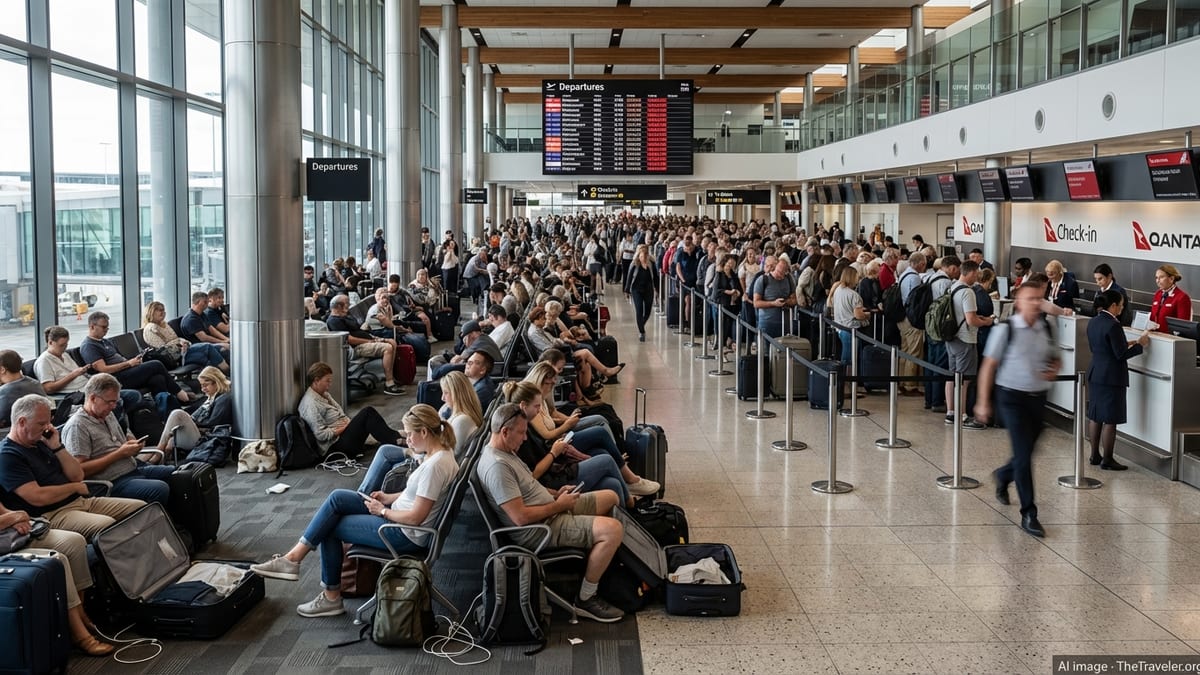
Airports Across the Tasman Struggle With Disruption
Publicly available flight-tracking and aviation data on Saturday indicated a combined tally of 63 flight cancellations and around 370 delays across airports in Australia and New Zealand, triggering long queues, missed connections and overnight stays for many travellers. Melbourne, Sydney, Auckland and Wellington were among the hardest-hit gateways, with knock-on impacts reported at secondary airports as aircraft and crew fell out of position.
Reports from airport operations dashboards and local media coverage showed that the disruption spanned both domestic and international services. Travellers on key trans-Tasman routes, including Melbourne to Auckland, Sydney to Wellington and other city pairs, encountered extended waits at departure gates as airlines worked to reshuffle schedules, secure spare aircraft and crew, and rebook affected passengers.
Information compiled from airline status pages suggested that cancellations were often clustered around peak travel banks in the morning and late afternoon, when already busy terminals can struggle to absorb sudden schedule changes. As cancellations accumulated, delays lengthened on remaining flights, creating a rolling wave of disruption through the day.
Major Carriers Under Pressure on Key Routes
Qantas, Jetstar, Virgin Australia and Air New Zealand were all identified in publicly available schedules as operating flights among those cancelled or heavily delayed, reflecting the dominance of these airlines on routes linking Australia and New Zealand. Regional and international partners were also affected as codeshare services and connecting itineraries fell into disarray.
Travel industry analysts cited in recent aviation coverage have highlighted persistent operational fragilities for these carriers, ranging from tight staffing levels to aircraft availability constraints during busy travel periods. When issues arise at one or two major hubs such as Sydney or Auckland, the impacts can quickly cascade throughout the regional network, particularly on high-frequency trunk routes.
Previous episodes of mass disruption across the Tasman have been attributed to a combination of factors including weather, air traffic control restrictions and technical issues, and initial reporting around the latest disruption points to a similar mix. Airlines typically categorise such events on their customer update pages, a key reference point for passengers seeking clarification on rebooking options, credits and refunds.
Travellers Face Missed Connections and Extra Costs
The latest wave of cancellations and delays has left many travellers stranded away from home or their intended destination, with social media posts and local news snapshots describing missed family events, business meetings and holiday departures. Passengers connecting from regional centres through Melbourne, Sydney, Auckland or Wellington have been particularly vulnerable, as a single cancellation can sever onward links to long-haul services.
Consumer advice published by travel bodies in Australia and New Zealand notes that passenger entitlements vary depending on the cause of disruption and the specific airline’s conditions of carriage. When disruptions are within an airline’s control, publicly available policy statements generally outline provisions for rebooking on the next available service and, in some circumstances, accommodation or meal vouchers.
For events considered outside airline control, such as severe weather or certain air traffic restrictions, travellers are often directed to rely on comprehensive travel insurance to recover additional expenses such as hotels and alternative transport. Industry guidance stresses the importance of keeping receipts and written confirmation of cancellations or delays when seeking reimbursement.
Travel planning resources also recommend that passengers build in longer connection times on itineraries involving multiple carriers or separate tickets in the Australia–New Zealand corridor, particularly during busy holiday periods when spare seats can be limited at short notice.
Operational Strains Highlight Ongoing Vulnerabilities
Aviation performance reports from both countries over recent months have documented elevated levels of delays and cancellations across several major airlines, reflecting a sector still adjusting to post-pandemic demand patterns and staffing realities. Analysts cited in transport and aviation publications note that while overall capacity has largely recovered, contingencies remain thinner than before, leaving networks more exposed when problems arise.
On-time performance data released by transport agencies and referenced in local coverage show that even small increases in cancellation rates can translate into thousands of affected passengers on busy domestic and trans-Tasman routes. When aircraft and crew are stranded at the wrong airports, recovery can be slow, especially when spare aircraft are already committed to tight schedules.
Industry commentary suggests that airlines are investing in improved rostering systems, better communication tools and additional spare capacity where commercially viable, but that progress is uneven across the region. The latest episode of disruption has renewed calls in some quarters for clearer, more standardised passenger rights frameworks, similar to those in place in parts of Europe and North America.
What Travellers Can Do if Their Flight Is Affected
Travel experts and consumer advocates consistently recommend that passengers monitor their flight status directly through airline apps and airport information boards, particularly in the 24 hours before departure. During periods of widespread disruption, online self-service tools are often the fastest way to secure an alternative seat, as call centres and airport service desks can quickly become overwhelmed.
Guides published by travel insurers and government advisory services also highlight the value of booking flexible or changeable fares on critical journeys, even when they are more expensive upfront. These tickets can provide greater options if schedules unravel, allowing travellers to move to earlier or later flights with reduced or waived penalties.
For those stranded overnight, public information from airlines and regulators advises checking eligibility for accommodation or meal assistance directly against the carrier’s written policy. Where such support is not offered, travellers may be able to claim through travel insurance, subject to policy terms and documentation.
As operations stabilise following the cancellations and delays, aviation observers note that travellers between Australia and New Zealand are likely to remain alert to potential schedule volatility, particularly at major hubs such as Melbourne, Sydney, Auckland and Wellington. For now, the latest disruption underlines how quickly a series of operational issues can ripple through one of the world’s busiest short-haul international corridors.