

More news on this day
A powerful late winter storm system has thrown air travel across the United States into disarray, with Denver International Airport reporting hundreds of delays and cancellations and knock-on disruption stranding passengers from Charlotte and Fort Lauderdale to San Diego and Newark.
Get the latest news straight to your inbox!
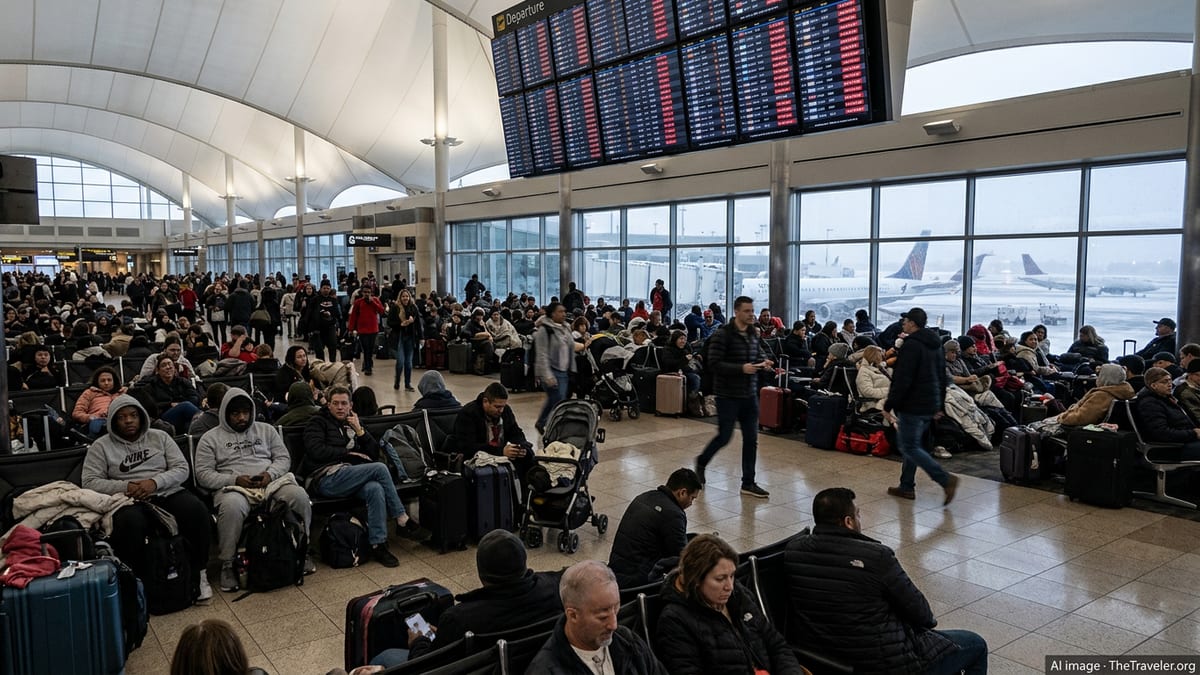
Denver Becomes the Eye of a Nationwide Travel Storm
Publicly available data from major flight-tracking dashboards on Monday indicate that Denver International Airport is among the hardest-hit hubs in the country, with around 584 flights delayed and 123 canceled as a potent storm system collides with one of the nation’s busiest connecting airports. Those figures place Denver at or near the top of the list for disruptions among large U.S. hubs, amplifying its role as a chokepoint for coast-to-coast travel.
The timing of the weather system has compounded the impact. The storm arrived during a peak spring travel period, when aircraft and crews are already tightly scheduled. As a result, each grounded departure in Denver is triggering a cascade of missed connections, aircraft reassignments, and additional delays out of secondary airports that rely on Denver as a primary connection point.
According to published coverage, the same system has been associated with heavy snow, high winds, and rapidly changing conditions across the central United States, conditions that can periodically shut down individual runways or slow arrivals and departures even when the airport remains technically open. Those incremental slowdowns spread quickly through a network that is operating near full capacity.
Even when visibility and runway conditions begin to improve, aircraft and flight crews can be out of position for hours, limiting how quickly airlines can restore anything resembling a normal schedule.
Ripple Effects Hit Charlotte, San Diego, Fort Lauderdale, Newark and Beyond
As Denver struggles with its own backlog, knock-on effects are mounting across the country. Public flight-status boards for Charlotte, San Diego, Fort Lauderdale, and Newark show growing clusters of late departures and arrivals tied to Denver-bound or Denver-originating aircraft. Many of those flights are now posting rolling departure estimates, leaving travelers facing extended waits at gates with limited clarity on rebooking options.
In Charlotte, Denver-linked services play a key role in connecting Southeast travelers to the Mountain West and Pacific Northwest. Disruptions to those routes are now spreading to subsequent legs throughout the afternoon and evening, limiting available seats for passengers seeking alternatives. In Fort Lauderdale and other Florida gateways, delays on Denver flights are undercutting connections for travelers heading to ski destinations and western national parks during one of the last busy winter-sports weekends of the season.
San Diego and other West Coast airports are feeling the effect in the opposite direction, with aircraft that should be cycling through Denver arriving late or not at all. That pattern is pressuring already busy evening departure banks and raising the likelihood of additional last-minute cancellations as crew-duty limits are reached.
At Newark Liberty International Airport, a key transatlantic gateway, disruptions linked to Denver are colliding with the airport’s own weather and congestion challenges. Late-in-the-day Denver arrivals are pushing back some onward departures and trimming connection windows for international travelers who had routed through the Rockies as part of complex itineraries.
Hundreds Stranded as Rebooking Options Narrow
With so many flights delayed or canceled out of Denver, rebooking has become a central headache for stranded passengers. Publicly available airline schedules show limited spare capacity on many alternate routes, particularly on popular city pairs such as Denver–Charlotte, Denver–Fort Lauderdale, and Denver–Newark. As aircraft fill up, even travelers who are flexible on departure times and connection points are finding that the next available confirmed seat may be many hours or even a full day away.
Reports shared on social media and travel forums describe long lines at customer service counters in Denver and at affected connection points, as travelers attempt to secure hotel vouchers, meal credits, or alternative flights through other hubs. Some are opting to accept complicated routings with multiple connections simply to keep moving, even if those options involve significant detours through cities far from their original path.
Families with young children, elderly travelers, and those on tight schedules for cruises, international connections, or major events appear to be among the most vulnerable. With many Denver departures shifting by several hours, previously comfortable layovers in places like San Diego or Charlotte can quickly shrink into tight dashes across terminals or flip into missed connections.
Rental car counters in several affected cities are also seeing heightened demand, as some travelers abandon their original flight plans altogether and drive medium-haul legs that would normally be handled by short domestic hops.
Why Denver Disruptions Spread So Quickly
Industry data and previous storm analyses show that Denver plays an outsized role in the national air network relative to its local population, functioning as a central junction where east–west and north–south routes intersect. When a weather system slows or partially shuts down operations there, the effect is similar to closing lanes on a major highway interchange: delays and backups materialize far beyond the immediate area.
Even when skies appear relatively clear in other parts of the country, the aircraft and crews needed for those flights may be stuck in Denver or en route from another disrupted city. If a Denver departure is postponed long enough, flight crews can reach federally mandated duty-time limits, forcing a cancellation even after the weather has improved. That, in turn, removes additional aircraft from rotation and deepens the shortage.
Published guidance from transportation regulators notes that U.S. airlines are not generally required to compensate passengers for weather-related delays, putting most of the burden on travelers to navigate changing schedules and, in many cases, to cover food and hotel costs out of pocket. In large systemwide events such as the current storm, carriers may voluntarily offer fee waivers and allow passengers to change to different dates or routes without charge, but the availability of those options can vary by airline and ticket type.
Analysts frequently point to Denver’s combination of high elevation, variable winter weather, and heavy connecting traffic as a recurring stress test for the U.S. aviation system, especially when storms coincide with busy holiday or seasonal travel windows.
What Travelers Can Expect in the Coming Hours
Forecasts indicate that the storm’s most intense effects around Denver could begin to ease later in the day, but the operational hangover is likely to extend well into the evening and potentially into the next day. Once the immediate weather constraints lift, airlines still face the challenge of repositioning aircraft and crews and clearing the backlog of displaced passengers scattered across multiple airports.
Travel experts note that passengers whose flights are still showing as on time should continue to monitor their status frequently, since schedule changes and gate swaps are more common during large disruption events. Checking both airline apps and airport departure boards can provide a more complete picture, especially for those with tight connections in Denver or other affected hubs.
For those already stranded in Charlotte, San Diego, Fort Lauderdale, Newark, and other cities caught in the wider disruption, additional same-day options may emerge as airlines add extra sections or upgauge aircraft on high-demand routes once conditions stabilize. However, given the scale of the delays and cancellations centered on Denver, travelers are being advised through public guidance and media reports to anticipate extended travel times and to have contingency plans in place.
With Denver again at the center of a national air travel disruption, the latest storm underscores how quickly a single, weather-exposed hub can send shock waves through an interconnected network, leaving passengers from coast to coast unexpectedly grounded.