

More news on this day
Passengers across the United States are facing another bruising travel day, with major delays and scattered cancellations stranding travelers from Texas to the Northeast as a web of weather, air traffic restrictions and airline scheduling leaves few easy ways to get moving again.
Get the latest news straight to your inbox!
Delays Mount Across Multiple Airlines and Hubs
Publicly available tracking data for April 3 shows elevated disruption across the U.S. aviation system, with several thousand flights delayed and hundreds canceled by midafternoon. The totals are spread across large network carriers such as American, Delta and United, as well as low cost and ultra low cost airlines including Southwest, Spirit, Frontier and others. That pattern undercuts the idea that a single carrier is solely responsible and instead points to a systemwide strain.
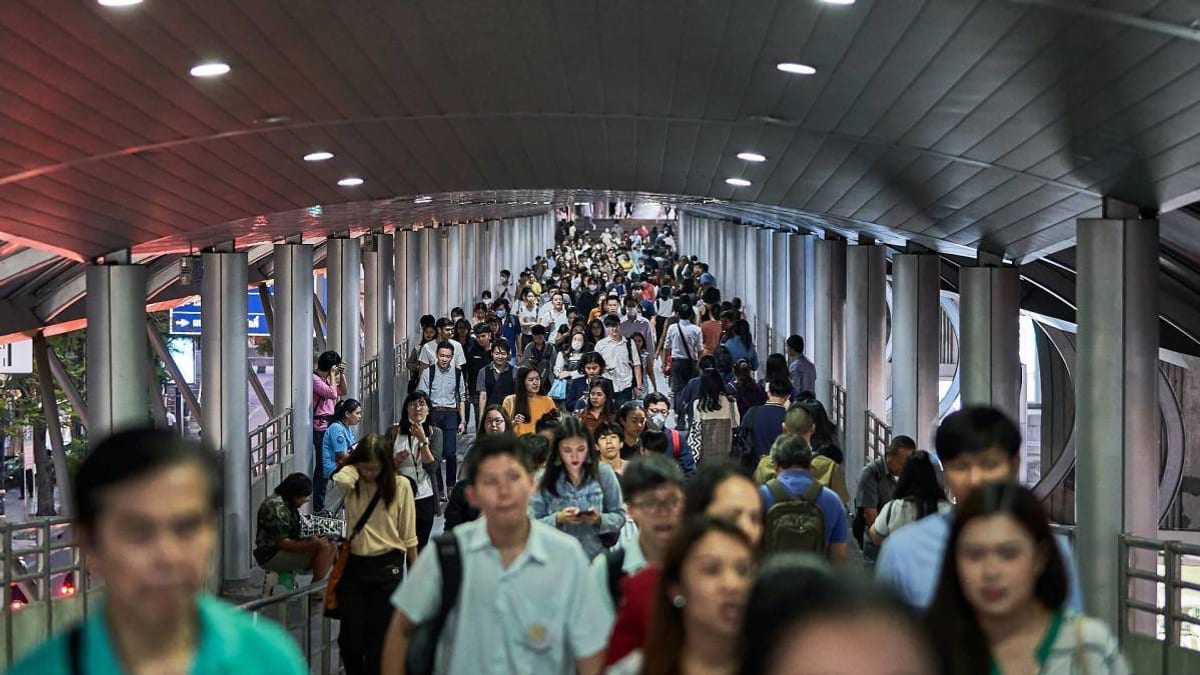
Coverage from travel and aviation outlets indicates that some of the heaviest disruption is appearing at major connecting hubs, where even modest schedule changes can leave passengers marooned far from home. Crowded terminals, long lines at customer service desks and families camped out near gate areas have become familiar scenes as travelers wait for new departure times or scarce rebooking options.
In several cases, disruptions at one or two key bases are rippling throughout airline networks. Southwest, for example, has faced nearly 1,000 delayed flights in the latest wave of irregular operations at airports including Chicago Midway, New York LaGuardia and Los Angeles International, along with a smaller number of outright cancellations. Because many planes operate multiple legs per day, a delay on one early flight can cascade through the system hours later and hundreds of miles away.
Frontier has also reported widespread delays, with data showing more than 200 flights behind schedule and nearly 20 canceled on April 3. Travelers at Denver, Chicago and New York area airports have encountered lengthy waits for updated departure times and limited same day alternatives, especially on routes served only a few times per day.
Weather and Air Traffic Limits Tighten the Squeeze
Recent storms and shifting federal air traffic rules are compounding the pressure. In mid March, severe weather across large portions of the country triggered more than 12,500 delays and cancellations in a single day, according to widely cited flight tracking figures. Thunderstorms, high winds and low clouds forced the Federal Aviation Administration to slow arrivals and departures at multiple major hubs, including the New York area airports, Washington Reagan National, Charlotte, Atlanta, Orlando and Houston.
Although the latest disruption wave is not tied to one dramatic storm, unsettled spring weather continues to push the system toward its limits. Isolated thunderstorms in Texas this week contributed to nearly 400 delays at Dallas, Houston and San Antonio airports, creating missed connections for travelers bound for both coasts as well as international destinations. Even when total cancellations remain relatively modest, the knock on effects from rolling delays can stretch into the next day.
Structural constraints at key airports are adding another layer of complexity. At San Francisco International, new runway rules and ongoing construction are reducing arrival capacity from 54 to 36 aircraft per hour. Aviation and travel reports note that the FAA is limiting certain parallel runway approaches even in clear weather, which is expected to increase holding patterns and late arrivals for multiple airlines that rely on the airport as a hub.
These kinds of airspace and infrastructure limits mean that individual airlines often have little room to reconfigure their operations once a disruption begins. When multiple carriers are competing for scarce arrival and departure slots during a compressed window of good weather, passengers can experience long waits even if their own airline appears to have available aircraft and crew.
Staffing, Schedules and Point to Point Networks Under Strain
Beyond weather and air traffic rules, staffing and scheduling choices are playing a key role in how delays unfold. Industry analyses suggest that parts of the aviation workforce remain tight, particularly among regional airline crews, ground handlers and some air traffic facilities. When storms or ground stops force airlines to reset their operations, there are often not enough spare pilots, flight attendants or ramp workers in the right locations to restart the system quickly.
The structure of certain airlines’ route maps can amplify the impact. Carriers that rely heavily on point to point networks and tight aircraft utilization may be more exposed when delays mount. With limited slack built into the schedule, a mechanical issue or weather diversion on one flight can cause a domino effect through later legs, stranding passengers who are far from the original disruption.
Even for large hub and spoke airlines, high load factors are limiting flexibility. Public Department of Transportation data for late 2025 shows that on time performance was already under pressure, with a sizable share of delays attributed to the national aviation system, late arriving aircraft and weather rather than purely carrier controlled issues. Once flights are nearly full, rebooking disrupted travelers onto other same day departures becomes increasingly difficult.
Travel experts note that this environment makes it more important for passengers to build extra time into connections, monitor flight status closely and consider earlier departures on critical travel days. However, the burden of planning ahead does little to help travelers who are already at the airport when a rolling series of schedule changes suddenly leaves them without a same day option.
Passengers Face Long Lines, Limited Options and Confusing Information
For stranded travelers, the specific cause listed for a delay often matters less than the practical reality on the ground. Reports from major airports describe long queues at customer service counters as people try to secure hotel vouchers, meal credits or alternative routings. In some terminals, passengers have waited hours just to speak with an agent, only to learn that the next available seat to their destination is a full day or more away.
Overlapping disruptions at several carriers can also make it harder to switch airlines, even for travelers able to pay out of pocket for a new ticket. When storms or air traffic restrictions affect a whole region, most airlines serving that area will have limited spare seats. That leaves many passengers stuck near their point of origin, sleeping in gate areas or scrambling for last minute hotel rooms alongside hundreds of others in the same situation.
Technology is playing an evolving role in how travelers navigate these disruptions. United, for example, has expanded its mobile app tools to include real time security wait times, baggage tracking and automated rebooking options. Other carriers are similarly promoting digital self service features that can help passengers change flights or track their bags without waiting in line. Still, the usefulness of these tools depends on how quickly airlines update schedules and how many viable alternatives remain.
Consumer advocates emphasize that understanding the labeled cause of a delay matters for potential compensation. Under U.S. rules, airlines generally are not required to reimburse expenses when weather or air traffic restrictions are the primary driver, but may provide more assistance when the disruption is within their direct control. In a complex situation where weather, staffing and system congestion all contribute, passengers can find it difficult to know what they are entitled to receive.
A System Under Pressure as Peak Travel Season Nears
Recent weeks have underscored how sensitive U.S. air travel remains to a combination of volatile weather, aging infrastructure, staffing challenges and high demand. Major winter storms earlier in the year, including a late January system that brought heavy snow and ice to large portions of the country, produced significant delays and cancellations that took days to unwind. The current April disruptions are less extreme in raw numbers but still illustrate how quickly conditions can deteriorate for passengers.
Academic research examining a decade and a half of delay patterns suggests that the relative contribution of different factors has shifted over time. Weather remains the single largest driver of disruptions, but the role of national aviation system constraints and late arriving aircraft has grown more visible, particularly as overall traffic has rebounded to or surpassed pre pandemic levels. Security procedures and special events can also add friction during already busy periods.
As airlines and airports look ahead to the summer peak, industry watchers expect continued investment in digital tools, schedule adjustments and infrastructure upgrades to manage demand. Yet with so many interconnected pieces, no single change is likely to eliminate the kinds of cascading delays currently stranding travelers across the country. For now, passengers may need to assume that even routine trips carry a higher risk of extended waits than the schedules on their tickets suggest.