

More news on this day
Air travel across the United States descended into fresh turmoil on March 11 as severe weather, airspace restrictions and rolling operational problems triggered more than 250 flight cancellations and hundreds of delays on major carriers, disrupting routes to Chicago, Atlanta, Dallas, New York, Los Angeles, Miami and dozens of other key cities.
Get the latest news straight to your inbox!
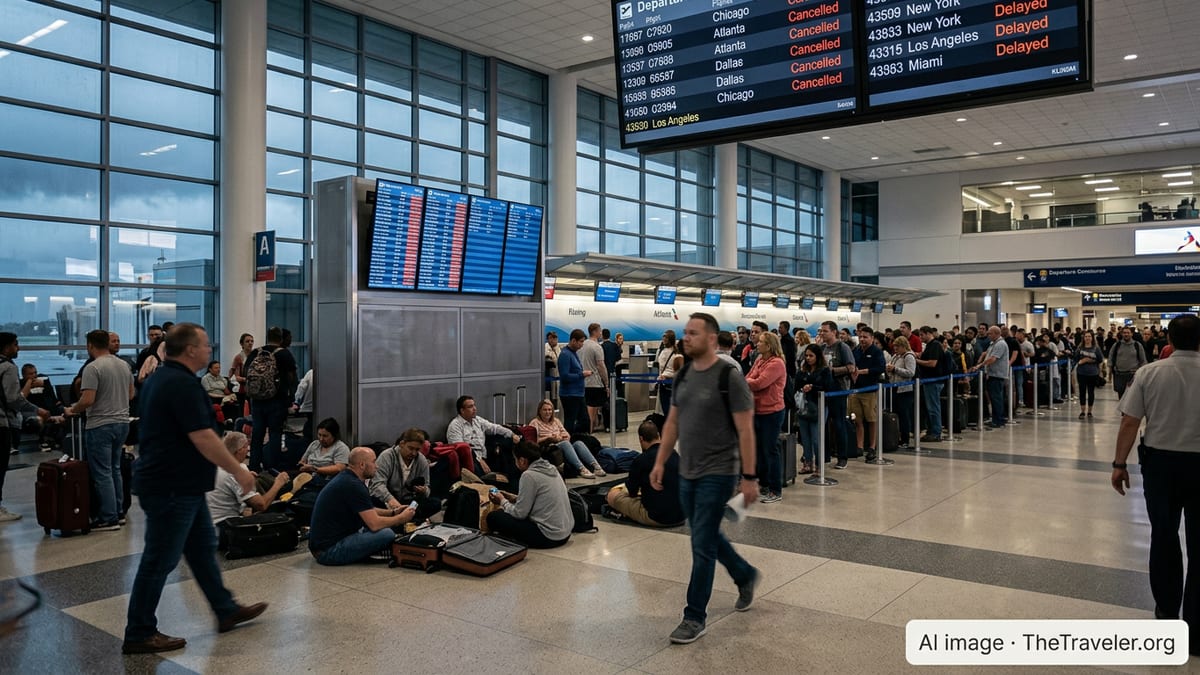
Severe Weather and System Strain Collide
Data compiled from major U.S. airports on Wednesday shows a network once again buckling under a combination of storms sweeping through central states and lingering operational strain from earlier disruptions this week. Flight tracking figures indicate that more than 250 services were cancelled nationwide by early evening, with several hundred more running significantly behind schedule as airlines struggled to reposition aircraft and crews.
Carriers including American Airlines, United Airlines, Delta Air Lines, Qatar Airways and Lufthansa were among those reporting cancellations or long delays on both domestic and international routes. The latest turbulence follows days of elevated disruption levels, with earlier tallies already highlighting more than one hundred cancellations and nearly two thousand delays across U.S. airports, underscoring how fragile schedules remain.
Industry analysts say the current wave of cancellations reflects a familiar pattern in which localized storms or airspace restrictions quickly cascade through the tightly interconnected hub-and-spoke system. With aircraft running near maximum daily utilization during the busy spring shoulder season, any prolonged ground stop or diversion can erase schedule buffers within hours.
Key Hubs Chicago, Atlanta and Dallas Hit Hard
Chicago O’Hare, one of the nation’s busiest hubs, again featured prominently on Wednesday’s disruption maps. United, American and Delta all reported cancellations and heavy delays to and from the airport, with knock-on effects for onward connections to smaller Midwestern and East Coast cities. Earlier in the day, Chicago had already logged dozens of cancellations and several hundred delays as bands of severe weather passed through the region.
In Atlanta, the world’s largest passenger hub, Delta and its partners faced a fresh round of schedule challenges as thunderstorms and low visibility forced ground holds and runway sequencing restrictions. Travelers reported long lines at rebooking counters and crowded concourses as passengers from scrubbed flights competed for limited remaining seats on later departures.
Dallas Fort Worth also recorded clusters of cancellations, particularly on American Airlines services feeding the carrier’s extensive domestic network and transatlantic operations. Adjustments to long haul flying, including recent changes on routes from Dallas to Europe and the Middle East, have tightened aircraft availability, leaving less flexibility when severe weather systems sweep across Texas and surrounding states.
New York, Los Angeles and Miami Feel the Ripple Effect
On the coasts, major gateways in New York, Los Angeles and Miami experienced their own share of headaches as they absorbed disrupted traffic from inland hubs. At New York’s main airports, United, American and Delta all reported cancellations and rolling delays, with knock-on effects for transatlantic flights and key domestic corridors to Chicago, Atlanta, Dallas and Florida.
Los Angeles International Airport saw a surge of delayed departures, particularly on services bound for Chicago, New York and other large hubs already affected by storms and airspace constraints. Passengers arriving from Asia and the Pacific reported missed onward connections to interior U.S. destinations as domestic banks of flights departed late or were cancelled outright.
Miami, a critical gateway for Latin America and the Caribbean, experienced a mix of cancellations and prolonged delays across American, Delta, United and international partners. Disruptions on east coast and Midwest feeder routes left some long haul departures short of connecting passengers, while weather-related ground delays in Florida compounded challenges for carriers trying to clear backlogs built up over previous days.
Global Carriers Qatar Airways and Lufthansa Also Affected
The turmoil was not limited to U.S. airlines. European and Gulf carriers that rely heavily on U.S. hubs for transatlantic and connecting traffic were also caught up in the disruption. Lufthansa, which serves major gateways including Chicago, New York and Miami, reported a higher-than-normal share of delayed departures, with some flights facing extended turnaround times as they awaited inbound aircraft and crew.
Qatar Airways, already operating a constrained schedule following regional airspace restrictions across parts of the Middle East, was also hit by the U.S. travel chaos. Services linking Doha with key American hubs, including routes feeding Chicago, New York and Miami, experienced cancellations or extended delays, adding further complexity for passengers already grappling with limited alternative routings.
Aviation experts note that the growing reliance of U.S. carriers on alliance partners for long haul connectivity magnifies the impact of domestic weather events. When a single hub such as Chicago or Dallas experiences a wave of cancellations, passengers booked on codeshare services with carriers such as Qatar Airways or Lufthansa can find both their U.S. domestic leg and international sector disrupted simultaneously.
What Stranded Travelers Can Expect
For passengers caught in Wednesday’s chaos, rebooking remains challenging, particularly at peak times when spare seats are scarce. Airlines have been waiving change fees on a rolling basis for affected routes, but availability often depends on whether travelers can accept alternative routings through less congested hubs or travel a day or two later than planned.
At airports, customer service desks and call centers reported heavy call volumes as travelers sought clarity on whether their flights would operate. Airport departure boards at hubs from Chicago and Atlanta to New York and Los Angeles showed long columns of delayed or cancelled flights, with estimated departure times shifting repeatedly as weather systems moved and air traffic control restrictions were updated.
Passenger advocates advise travelers to monitor their flight status frequently, use airline mobile apps for rebooking where possible, and consider contacting carriers via social media channels when phone wait times are long. With severe weather and airspace issues likely to remain a factor in the days ahead, they also urge flexible planning, including allowing extra time for connections and avoiding the last flight of the day on critical legs where feasible.
While airlines stress that safety remains paramount when deciding to cancel or delay flights, the latest wave of disruption underscores how quickly the U.S. air travel system can seize up when severe weather, international airspace restrictions and tight operating margins collide. For now, travelers planning trips through Chicago, Atlanta, Dallas, New York, Los Angeles, Miami and other major hubs are being urged to stay alert and prepare for further last minute changes.