

More news on this day
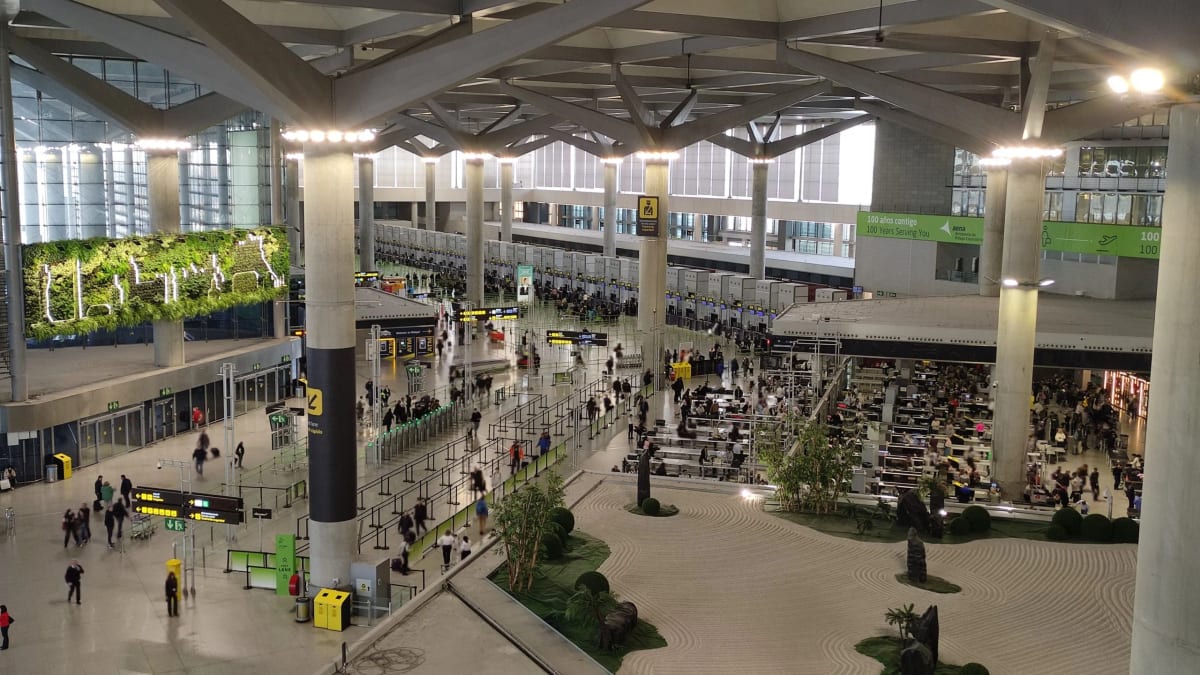
While a global wave of flight cancellations gathers pace in the wake of a jet fuel crisis linked to the conflict in the Middle East, Malaga–Costa del Sol Airport is continuing to operate normally, emerging for now as a rare pocket of stability on Europe’s busy holiday map.
Get the latest news straight to your inbox!
Global jet fuel shock ripples across airlines
The sharp escalation of conflict in the Middle East since late February has upended energy markets, with the closure of the Strait of Hormuz and attacks on regional oil and gas infrastructure disrupting the flow of crude and refined products worldwide. Publicly available analyses from industry bodies describe the shock as one of the most severe supply disruptions in decades, with jet fuel singled out as particularly exposed.
Recent market monitoring shows average jet fuel prices have surged by more than 80 percent in a matter of weeks, with some Asian hubs reporting spot prices more than double typical levels. The spike has translated directly into higher operating costs for airlines, many of which entered 2026 with limited fuel hedging and little room to absorb further volatility after years of pandemic-related strain.
According to published coverage across Europe and Asia, carriers are responding by trimming schedules, grounding aircraft and adding fuel surcharges that, in some cases, reach beyond 30 percent of base fares. In Asia, reports indicate that airlines serving destinations such as Bangkok, Ho Chi Minh City, Colombo and Yangon have already cut frequencies or suspended routes outright due to scarce and costly fuel.
In Europe, the immediate pressure has been felt unevenly. Airports in Italy and parts of Central and Northern Europe have begun to face refuelling caps and operational adjustments, while major low cost and network carriers warn that if the crisis persists into the summer, they may be forced to cancel a portion of planned flights to protect profitability and safeguard remaining fuel supplies.
Fuel restrictions hit parts of Europe, but Spain watches and waits
In the last several days, the most visible signs of the jet fuel crunch in Europe have emerged at several Italian airports, where fuel suppliers have issued formal notices limiting the availability of Jet A1. Trade and specialist travel publications describe caps at airports including Milan Linate, Bologna, Treviso and Venice, prompting some airlines to plan technical stops for refuelling elsewhere or adjust aircraft rotations.
At the same time, Scandinavian and Central European airlines have announced targeted cancellations for April, explicitly citing soaring fuel costs linked to the Middle East crisis. Routes with thinner demand or limited strategic value appear to be bearing the brunt of the first capacity cuts, as carriers seek to concentrate remaining fuel and aircraft time on core markets.
Spanish aviation is tightly intertwined with this wider European network, yet domestic airports have so far remained largely shielded from outright fuel rationing. National business media in Spain note growing concern among airlines, airport operators and tourism authorities about the approaching summer high season, but current operations are largely intact. Industry executives have publicly acknowledged the risk that a protracted disruption could force changes from June onward, particularly if European-wide restrictions begin to spread south.
For now, the impact in Spain is more visible in pricing and planning than in cancelled departures. Airlines with a strong presence in the country are reviewing summer schedules, revisiting hedging positions and signaling that fares are likely to rise as higher fuel costs filter through to consumers over the coming months.
Malaga–Costa del Sol: resilient hub at the gateway to Andalusia
Against this unsettled backdrop, Malaga–Costa del Sol Airport continues to report normal operations, with no locally reported fuel restrictions or large-scale cancellations directly attributed to the jet fuel crisis. The airport, one of Spain’s key gateways for inbound tourism, is handling a busy schedule of short and medium haul flights from across Europe as the Easter period transitions into the early summer build-up.
Publicly available flight data and airline updates viewed on Tuesday indicate that services into and out of Malaga are operating broadly as scheduled, aside from routine weather- or crew-related adjustments that are typical at this time of year. There is, at present, no sign of the kind of mass cancellations seen in parts of Asia or the targeted schedule cuts announced by some Northern European carriers.
Several factors appear to be supporting Malaga’s relative resilience. Spain’s fuel supply chain for aviation is diversified across refineries and import routes, meaning that while price pressures are acute, outright shortages have not yet materialised in the same way as at more exposed hubs. In addition, many airlines serving Malaga are large European groups that entered the year with significant fuel hedging in place, providing a temporary cushion against the most extreme price spikes.
Malaga’s role as a high-volume leisure destination also plays a part. With strong demand expected from the United Kingdom, Germany, Scandinavia and domestic Spanish markets, airlines have powerful incentives to preserve capacity on Costa del Sol routes, even as they weigh possible reductions elsewhere in their networks.
Travelers advised to stay vigilant as summer approaches
Although Malaga Airport remains unaffected for now, industry warnings suggest that conditions could change quickly if supply disruptions intensify or spread further into Europe. Analyses from international airline associations and financial commentators emphasize that commercial jet fuel inventories on the continent are relatively lean, leaving limited buffer if Middle Eastern flows remain constrained into the peak travel months.
Low cost carriers with sizable Spanish operations have already signaled that they will reassess schedules if physical fuel shortages emerge from June onward. In public comments reported by European media, some executives have floated the possibility that up to one in ten flights could be at risk later in the summer under a severe shortage scenario, although such outcomes remain contingent on the duration and depth of the current crisis.
For travelers planning trips to Malaga and the wider Costa del Sol, the immediate message is one of cautious optimism. Seats are still widely available, the airport is functioning normally and airlines continue to market Spain as a cornerstone of their summer programs. At the same time, consumer advocates and travel advisors are encouraging passengers to build more flexibility into their plans, including allowing additional time for connections and monitoring bookings more closely in the days before departure.
Flexible ticket options, package holidays with strong protection policies and comprehensive travel insurance are among the tools being highlighted as ways to reduce risk in an unpredictable environment. While Malaga has so far escaped the worst operational fallout, the global nature of the jet fuel market means that developments far from Andalusia could yet influence schedules later in the season.
What to watch in the weeks ahead
The trajectory of the jet fuel crisis in relation to Malaga will depend on several moving parts. The first is the evolution of the conflict in the Middle East itself and any steps that ease or intensify the blockade of key shipping routes. Any improvement in the flow of crude and refined products through the region would likely translate into lower prices and reduced pressure on airline budgets and fuel suppliers.
The second factor is how European policymakers and energy companies respond to mounting concerns about supply security. Industry analysis has pointed to the lack of strategic jet fuel reserves in Europe compared with crude oil and gasoline stockpiles. Discussions about emergency measures, priority allocations for critical routes or temporary regulatory adjustments could shape how any future shortages are distributed across airports.
Finally, airline strategy will be crucial. Carriers serving Malaga are continuously reshaping fleets and route maps in response to demand and cost signals. If fuel markets stabilise, Malaga could strengthen its position as a reliable entry point to Spain even as other airports grapple with constraints. If conditions deteriorate, airlines may be forced to consolidate capacity into a smaller number of profitable routes, potentially preserving Malaga at the expense of smaller regional airports.
For now, Malaga Airport stands out as a relatively calm node in an aviation system under mounting strain. Travelers heading for the Costa del Sol can still expect a largely normal experience this spring, but the fast-moving nature of the jet fuel crisis means that staying informed will be essential as the northern summer draws closer.