

More news on this day
Escalating conflict involving the United States, Israel and Iran has triggered sudden airspace closures across the Middle East, forcing Malaysia Airlines and leading Gulf carriers to cancel or suspend hundreds of flights and leaving travelers scrambling to salvage their plans.
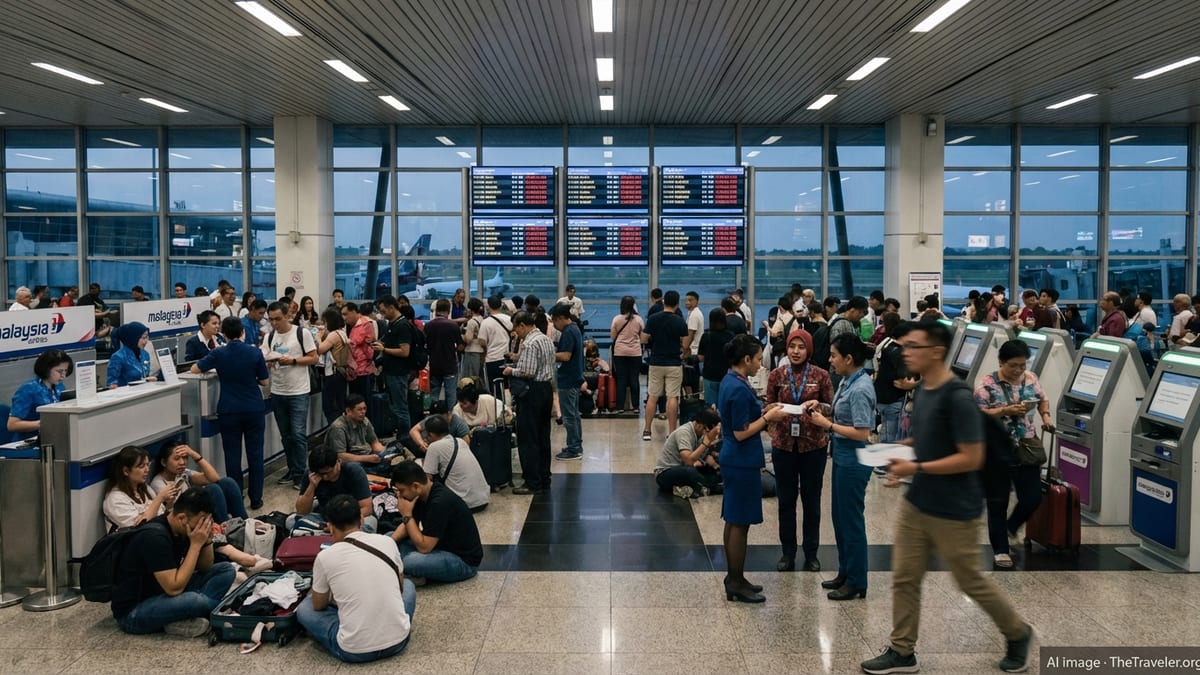
Malaysia Airlines Scrambles as Key Middle East Routes Suspended
Malaysia’s flag carrier has moved quickly to halt services into the heart of the crisis zone, cancelling flights between Kuala Lumpur and Doha, Jeddah and Madinah on February 28 and March 1 after regional airspace shut without warning. The airline said the move was a precautionary step as security risks surged, with routes placed on hold pending ongoing assessments by safety and operations teams.
The cancellations affect core links used heavily by business travelers, migrant workers and religious pilgrims, particularly those bound for Saudi Arabia. Malaysia Airlines has urged passengers to update their contact details in its booking system and is working through call centers and agents to offer rebooking options or refunds, but many travelers report long waits and limited alternatives as neighboring hubs also grind to a halt.
For now, the carrier is keeping some long-haul services alive by flying further north. Flights from Kuala Lumpur to London and Paris continue to operate on alternative routings that avoid the conflict zone, skirting via Afghan airspace and adding time and fuel cost but preserving vital connectivity between Southeast Asia and Europe.
Travel analysts warn that if airspace closures widen or persist, Malaysia could face a deeper squeeze on both outbound tourism and inbound visitors who rely on Middle Eastern hubs to connect from Europe, Africa and the Americas into Kuala Lumpur.
Middle East Hubs Go Dark as Regional Airspace Closes
The disruption radiating out from the Gulf is unprecedented in scale and speed. Multiple Middle Eastern countries including Iran, Iraq, Israel, Qatar, Kuwait, Bahrain and the United Arab Emirates have either fully or partially closed their airspace as military operations intensify, effectively switching off a critical crossroads of global aviation almost overnight.
Major hubs such as Dubai International, Abu Dhabi and Doha have suspended normal passenger operations for extended periods, stranding passengers in transit and blocking fresh arrivals. Airlines based in the region, including Emirates, Qatar Airways and Etihad, have temporarily halted large portions of their networks, introducing short-term suspension windows and rolling waivers for affected tickets.
Preliminary aviation data shows that roughly one in four flights scheduled into the wider Middle East corridor have been cancelled since the first wave of strikes, with some hubs seeing even higher cancellation rates. Hundreds of thousands of travelers have been diverted, delayed or left in limbo in airports across Europe, Asia and Africa as departure boards fill with red cancellation notices.
The closures are forcing airlines to redesign flight paths in real time, lengthening journeys between Europe and Asia and pushing traffic into already busy corridors above Turkey, Central Asia and the Arabian Sea. Industry experts caution that even a short-lived shutdown can take days to unwind, with aircraft and crew out of position and backlogs of passengers waiting to be re-accommodated.
Ripple Effects Hit Asia as Carriers Reroute or Cancel
The crisis is rapidly spilling beyond the Middle East, with Asian carriers among the worst affected outside the region. Indian airlines have slashed or suspended services that traverse Gulf and Iranian airspace, while airports in cities such as Delhi and Mumbai have recorded sharp spikes in cancellations and long delays on Europe- and Middle East-bound routes.
Budget and full-service airlines alike are issuing travel advisories, extending waivers and urging passengers not to head to the airport without confirmed flight status. Some low-cost carriers have temporarily halted services to Gulf destinations including Abu Dhabi, Doha, Jeddah, Kuwait and Riyadh, offering refunds or one-time free date changes instead.
For Southeast Asian travelers, including those departing Malaysia, Thailand and Singapore, the knock-on effect is a shrinking menu of onward options. Routes that would typically connect via Doha, Dubai or Abu Dhabi are now being rerouted through alternative hubs in Istanbul, South Asia and Europe, often at higher fares and with lengthy detours that add hours to flight times.
Travel agents across the region report surging demand for any remaining seats on unaffected routings, while business travelers face difficult choices between delaying trips, switching to videoconferencing or accepting significantly longer itineraries that avoid the crisis zone entirely.
Pilgrims and Expat Workers Urged to Rebook Quickly
The timing of the shutdown is particularly painful for religious travelers and expatriate communities who rely on Malaysia–Middle East connections. Flights to Jeddah and Madinah are heavily used by umrah pilgrims from Malaysia, Indonesia and the wider region, many of whom have saved for months or years to make the journey and now find themselves caught in an uncertain window.
With Saudi-bound services from Kuala Lumpur suspended and transit options via the Gulf curtailed, tour operators are scrambling to reorganize packages, secure alternative routings via less affected hubs or postpone departures altogether. Industry insiders say that tour groups with flexible dates and comprehensive travel insurance are best positioned to adjust, while independent travelers with rigid schedules may have to accept refunds and rebook later in the year.
Expatriate workers heading to or from the Gulf states face similar pressures. Routes linking Malaysia and wider Southeast Asia to Qatar, the UAE and Saudi Arabia are a lifeline for labor mobility, family visits and medical travel. As flights vanish from schedules, many workers risk overstaying visas or missing contract start dates unless they can rapidly rearrange their journeys.
Consular officials in several countries are urging citizens to stay in close contact with embassies and to keep records of cancelled flights and additional costs, in case emergency assistance or documentation is required while they wait for travel options to reopen.
What Travelers Should Do Now
With the situation evolving by the hour, aviation authorities and airlines are offering a simple, urgent message to passengers: do not assume your flight is operating, even if it was confirmed just a day ago. Travelers with bookings touching the Middle East, or using Gulf hubs as transit points between Asia, Europe and Africa, are being told to check their flight status repeatedly and to sign up for real-time alerts from airlines.
Most major carriers have introduced short-term flexibility policies, allowing passengers on affected routes to change travel dates, reroute via alternative hubs or request refunds without penalty. These waivers often apply only to tickets issued before the current escalation and within specific travel windows, so passengers are advised to read the conditions carefully before making decisions.
Travel experts recommend acting fast, as alternative options can disappear quickly when large volumes of flights are cancelled at once. Those who must travel urgently should speak directly with airlines or trusted travel agents to explore creative routings that avoid closed airspace, even if that means adding extra connections or overnight stops.
For travelers whose journeys are not time critical, the emerging consensus is to delay rather than press ahead. With airspace closures, military activity and diplomatic efforts all in flux, airlines will likely continue to adjust schedules at short notice. Waiting for clearer guidance and more stable timetables could ultimately prove safer and less stressful than attempting to fly through one of the world’s most volatile corridors in the coming days.