

More news on this day
Malaysia is tightening its grip as the preferred short-haul escape for Singapore residents, as a weaker ringgit, dense cross-border links and shifting holiday habits combine to outpace rival Southeast Asian destinations even amid higher regional travel costs.
Get the latest news straight to your inbox!
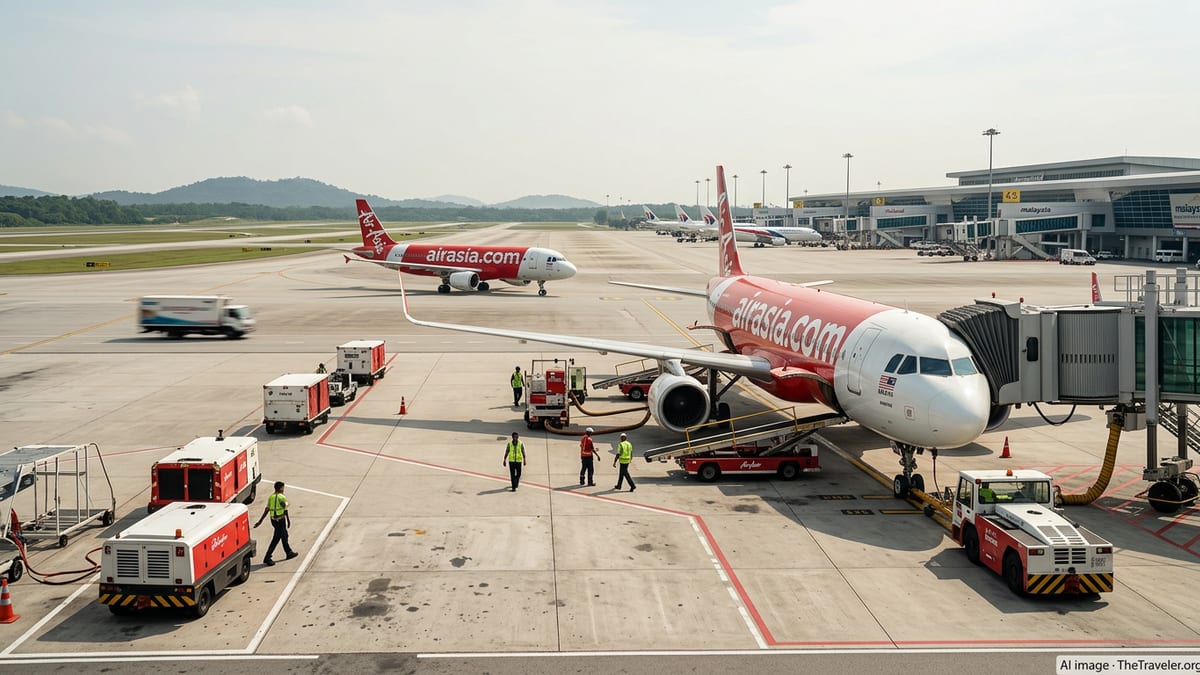
Singapore Fueling Record Arrivals Across the Causeway
Recent tourism statistics show Singapore firmly positioned as Malaysia’s largest single source of international visitors, underscoring the depth of cross-border travel between the two neighbors. Tourism Malaysia data for January to December 2024 indicates that visitors from Singapore surpassed nine million, ahead of Indonesia and China, helping to push Malaysia’s total international arrivals to nearly 38 million for the year.
The momentum has carried into 2025. Media coverage of performance for the first eight months of the year highlights foreign arrivals to Malaysia climbing by around 14 to 15 percent year on year, with Singapore again leading the recovery. Singapore residents are accounting for a substantial share of incremental visitors, aided by relaxed visa policies for many markets, more regional flight capacity and revived land traffic through Johor.
At the border itself, publicly available information on the Johor–Singapore crossings points to sustained surges in volume on holiday weekends. More than half a million people have been recorded crossing on peak days such as major school breaks and long weekends, reflecting a pattern of frequent, short-duration trips rather than occasional long vacations. For many Singaporeans, weekend escapes to Johor Bahru, Malacca or Kuala Lumpur have become embedded in their regular leisure routine.
Official Malaysian tourism summaries describe Singapore as both the top source market by headcount and, increasingly, a driver of tourism receipts. Average per-capita spending by Singaporeans is rising as visitors venture beyond traditional shopping trips to include wellness stays, theme parks and food-focused itineraries in destinations such as Penang and Ipoh.
Cost Pressures Push Travelers Closer to Home
While regional airfares, hotel rates and general travel costs have trended higher since the pandemic, Malaysia’s competitive pricing and currency advantage are proving decisive for Singapore households. The Malaysian ringgit has remained weak against the Singapore dollar, effectively giving Singapore residents more purchasing power on accommodation, dining and retail compared with other popular short-haul markets.
Regional coverage from airlines and travel platforms points to sustained high fares on many medium- and long-haul routes, particularly to Europe, Japan and long-haul island destinations. For cost-conscious Singapore families, this has raised the appeal of destinations reachable by a short flight, coach ride or even a quick drive across the causeway. Malaysia’s ability to offer a broad range of options, from basic homestays to luxury resorts, allows it to capture both budget and premium segments.
Online travel agencies also report that dynamic pricing has made peak-season getaways more expensive across Southeast Asia, but that Malaysia continues to undercut regional competitors in the three- to four-star hotel bracket. Package deals that combine coach transfers with hotel stays in Johor, Malacca and Genting Highlands are heavily marketed to Singapore consumers, often at price points difficult to match in Thailand, Vietnam or Indonesia once flights are factored in.
This cost advantage is particularly pronounced for short-notice trips. Singapore travelers booking within a week of departure often find that Malaysia, with its multiple land and sea crossings and dense low-cost carrier networks, offers the most affordable last-minute escape, reinforcing its status as the de facto short-haul champion.
Changing Holiday Habits Favor Short, Frequent Escapes
Post-pandemic travel behavior in Singapore is evolving toward shorter, more frequent getaways rather than a single extended annual holiday. Industry analyses and booking data indicate a rise in two- to four-day trips clustered around public holidays and school breaks, with travelers prioritizing convenience and flexibility over distance.
Malaysia is ideally positioned to capture this shift. The country offers a range of experiences within a few hours of Singapore, from urban shopping in Kuala Lumpur to island retreats in Desaru Coast and cultural escapes in Malacca. The ability to depart after work on a Friday and be checked into a hotel across the border the same evening is a key selling point that more distant destinations cannot replicate.
Demand patterns also reflect a move toward multi-generational and group travel, for which Malaysia’s familiar language environment, similar food culture and widely used electronic payments infrastructure help reduce friction. Singapore families are increasingly mixing traditional shopping and dining with outdoor activities, including beach stays on the east coast and nature-based excursions in Pahang or Perak, all within short-haul reach.
The growing popularity of work-from-anywhere arrangements in some sectors has further boosted midweek travel. Serviced apartments and long-stay hotels in cities such as Johor Bahru and Penang have reported more weekday bookings from Singapore residents combining remote work with leisure time, blurring the line between business and holiday travel.
Connectivity Gains: From Causeway Commutes to New Flights
Infrastructure and transport capacity are playing a central role in consolidating Malaysia’s position. Publicly available transport data show that more than 450,000 people cross the Malaysia–Singapore land border on a typical day, using the Johor–Singapore Causeway and the Tuas Second Link. On long weekends, that figure has exceeded half a million, underlining the border’s importance as a tourism and commuting artery.
On the aviation side, airline schedules compiled by Malaysia Airports and industry trackers point to rising seat capacity on routes linking Singapore with Kuala Lumpur, Penang, Langkawi and Kota Kinabalu. Low-cost carriers have restored or expanded frequencies, while full-service airlines continue to target business and premium leisure travelers. The availability of multiple daily departures on these routes makes it possible for Singapore residents to fit travel around work and school timetables.
Ferry and cruise services add another layer of connectivity, particularly to coastal destinations in Johor and the Riau Islands, but Malaysia’s ports at Desaru and nearby gateways have gained attention from Singapore-based operators marketing weekend sail-and-stay packages. Cross-border coach operators, meanwhile, have increased services linking Singapore with popular Malaysian cities, creating an extensive ground network for travelers who prefer to avoid flying.
Combined, these transport options give Malaysia a redundancy and flexibility advantage. Travelers can choose between driving, buses, trains, ferries and flights, significantly reducing the risk that high demand or disruptions on a single mode of transport will derail their plans.
Malaysia’s Strategy in a Competitive Regional Landscape
Malaysia’s rise as Singapore’s dominant short-haul choice is unfolding against a backdrop of vigorous competition across Southeast Asia. Published coverage on regional tourism strategies shows Thailand, Vietnam and Indonesia rolling out their own promotional campaigns, visa relaxations and infrastructure projects to capture high-spending visitors.
Malaysia’s response has centered on targeted promotions in nearby markets, with Singapore featuring prominently. Tourism campaigns continue to leverage the long-running “Malaysia Truly Asia” branding while highlighting specific themes that appeal to Singapore residents, including food tourism, family attractions and wellness retreats. State-level initiatives in Johor, Penang and Sabah are also aiming to differentiate their offerings to repeat visitors from across the border.
Policy measures are reinforcing this approach. The rollout of the Malaysia Digital Arrival Card, which exempts Singapore citizens but streamlines processing for other foreign travelers, reflects a broader push to ease congestion at border checkpoints and enhance the visitor experience. Investment plans for new attractions, upgraded airports and coastal developments indicate that Malaysia is preparing for sustained growth in cross-border tourism ahead of its next major tourism year in 2026.
With travel costs likely to remain elevated across much of the region, analysts expect Malaysia’s combination of value, proximity and variety to keep it at the top of Singaporeans’ short-haul preferences. As more Singapore residents adopt a pattern of multiple short breaks each year, the country’s role as the undisputed short-haul travel champion looks set to endure.