

Few countries feed travelers quite as generously as Malaysia. From wok-fried noodles tossed over roaring charcoal to fragrant rice dishes colored with butterfly pea flowers, the country’s food scene is a vivid reflection of its Malay, Chinese, Indian, Peranakan, and Indigenous communities. This guide explores Malaysia’s essential street foods, standout noodle bowls, and regional specialties, along with practical tips so you can eat your way confidently from Kuala Lumpur to Kuching.
How Malaysia Eats: Hawker Culture, Night Markets, and Coffee Shops
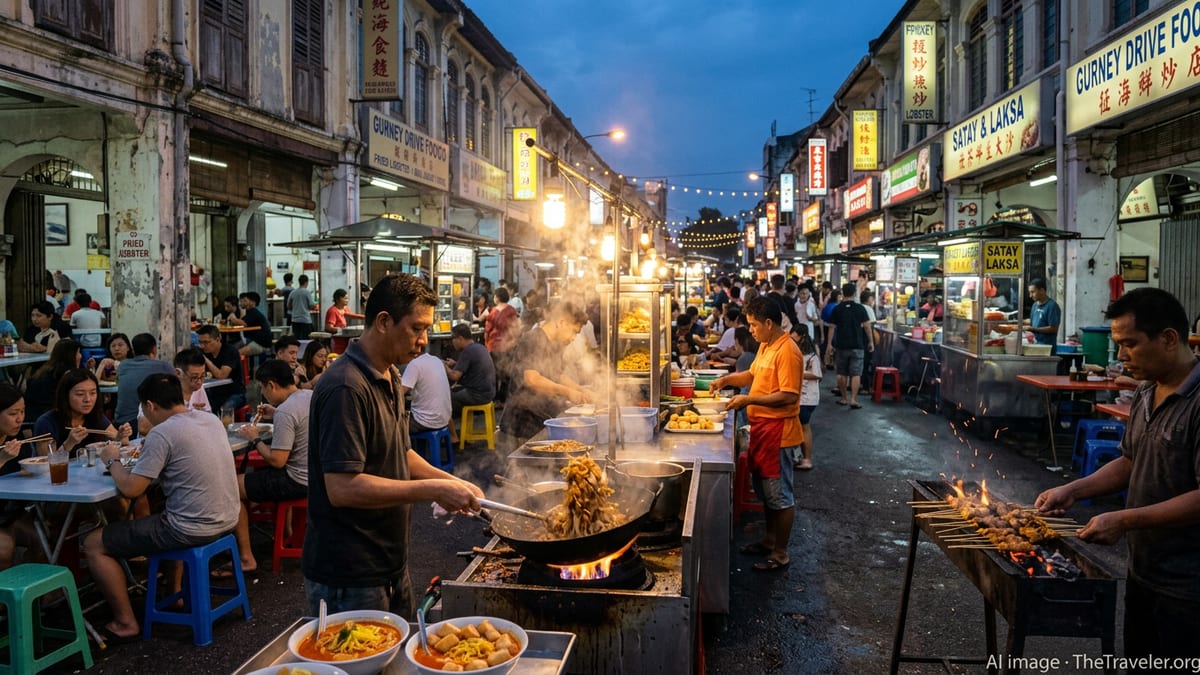
Malaysian food is best understood in motion: hawker stalls clanging with woks, kopitiam coffee shops filled with regulars at breakfast, and night markets perfumed by charcoal smoke. Eating is a social ritual as much as a necessity, and most locals grow up loyal to particular stalls and vendors. Rather than formal restaurants, visitors are more likely to encounter food courts, open-air complexes, and roadside carts, each specializing in just a handful of dishes perfected over years.
Hawker culture in Malaysia shares roots with neighboring Singapore, and recent heritage projects and city initiatives have focused on preserving classic stalls while upgrading hygiene and infrastructure. In Penang’s George Town and Kuala Lumpur’s city center, you will find dedicated food streets where cooks still rely on seasoned woks and inherited recipes, but with more visible cleanliness practices, stainless-steel counters, and clear signage indicating whether dishes are halal or pork-free.
For travelers, the key is to think of Malaysian food as a mosaic: Malay dishes built on sambal, coconut and herbs; Chinese-influenced stir-fries and noodle soups; Indian and Indian Muslim (Mamak) roti, curries, and spice-forward gravies; and East Malaysian specialties that highlight wild jungle produce, sago, and river fish. Many plates you encounter are inherently fusion, the result of generations of communities cooking side by side and adapting to each other’s tastes.
Meal times are flexible, and many stalls open late into the night. Breakfast might be a strong kopi with kaya toast or a bowl of noodles, lunch a mixed rice plate, and dinner a street food walk where you graze on skewers, noodles, and sweet desserts. Allow room in your schedule for repeat visits; part of the pleasure is returning to a favorite stall and understanding why locals queue for a particular bowl.
Street Food Essentials: From Nasi Lemak to Satay
No introduction to Malaysian food is complete without nasi lemak, often described as a national dish. It begins with rice cooked in coconut milk and pandan, served with a spicy sambal, crispy fried anchovies, roasted peanuts, cucumber slices, and usually a hard-boiled or fried egg. Simple roadside packets wrapped in banana leaf are a budget-friendly breakfast, while restaurant versions can be lavish, topped with fried chicken, squid sambal, or rendang.
Another street classic that travelers quickly fall for is roti canai, a flaky, buttery flatbread of Indian Muslim origin. Dough is stretched, folded, and griddled until crisp outside and tender inside, then served with dhal, curry, or sugar. It is common to see locals eating roti at all hours, whether as breakfast, post-work snack, or late-night filler after a long day of travel.
Satay is Malaysia’s answer to skewered meat: marinated chicken, beef, or sometimes lamb threaded onto bamboo sticks and grilled over charcoal. The skewers are served with a thick peanut sauce, slices of cucumber and onion, and compressed rice cakes. In many cities, satay vendors set up in the evening, and travelers can order small tasting portions from several stalls, comparing marinades and levels of smokiness.
Sweet snacks are never far away. Kuih, a broad term for bite-size treats, might include colorful rice cakes, glutinous rice layered with coconut custard, or steamed cakes flavored with pandan. At night markets you will also find apam balik, a folded peanut pancake, and cendol, a shaved-ice dessert made with coconut milk, palm sugar syrup, and green rice-flour jellies. These are ideal ways to cool down after an afternoon of sightseeing in the tropical heat.
Noodles You Cannot Miss: Char Kway Teow, Laksa, and More
Malaysia’s noodle culture runs deep, and every region has a bowl it claims as the best in the country. Char kway teow is one of the most beloved: flat rice noodles stir-fried in a searingly hot wok with prawns, cockles, egg, bean sprouts, chives, and a savory mixture of soy sauces. The magic lies in wok hei, the smoky aroma achieved when a skilled cook tosses the noodles over intense heat. Penang is especially proud of its versions, and many locals will direct you to stalls where the queue is part of the ritual.
Laksa is a broader family of noodle soups that illustrate Malaysia’s diversity. Penang’s assam laksa is built on a tangy fish-based broth scented with tamarind and torch ginger, served with thick rice noodles and garnished with mint and pineapple. In contrast, curry laksa or curry mee combines yellow noodles or vermicelli with a rich coconut curry broth, tofu puffs, fishcakes, cockles, and a dollop of chili paste. Some towns, such as Ipoh, are known for dry curry noodles, where the thick gravy clings to the noodles rather than forming a soup.
Mee goreng mamak is the quintessential Indian Muslim stir-fried noodle dish, combining yellow noodles with eggs, tofu, potatoes, vegetables, sweet soy sauce, chili, and sometimes seafood or chicken. It balances spicy, sweet, and tangy flavors and is commonly prepared at Mamak eateries that stay open well past midnight. Chilli pan mee, a Kuala Lumpur favorite, features handmade wheat noodles tossed with minced meat, crispy anchovies, a soft egg, and a heap of chili flakes you can add to taste.
Across the country you will also encounter prawn mee, Hokkien mee, wantan mee, and countless local variations. Prawn mee generally refers to egg noodles in a spicy, savory broth made from prawn shells and pork or chicken bones, topped with slices of prawn, meat, and egg. Kuala Lumpur’s version of Hokkien mee is a dark, glossy stir-fry of thick noodles in soy-based sauce with pork, squid, and cabbage, while Penang Hokkien mee is a prawn-based noodle soup. When in doubt, ask the stallholder about the broth, noodle type, and level of spice so you can pick a bowl that suits your taste and comfort.
Regional Flavors: Penang, Kuala Lumpur, and the East Coast
Each Malaysian region adds its own accent to the country’s food story, and planning your route around signature dishes can be a rewarding way to travel. Penang, often nicknamed the food capital, is especially famous for its hawker centers and night markets. In George Town, many stalls have been operating for decades, passing recipes through generations. Beyond char kway teow and assam laksa, Penang is known for nasi kandar, a rice dish originated by Indian Muslim vendors where plain rice is served with an array of curries and side dishes ladled together so the gravies mingle on the plate.
Kuala Lumpur and the wider Klang Valley showcase the full multicultural range of Malaysian food in one metropolitan area. Here you can sample chilli pan mee at small noodle shops, smoky Hokkien mee in older neighborhoods, nasi lemak at trendy cafes, and a broad selection of South Indian banana-leaf rice meals. Night-time food streets draw both locals and visitors for satay, seafood, grilled wings, and endless variations of mee goreng and fried rice. Because the city attracts internal migrants from across Malaysia, KL is also a good place to find regional dishes such as East Coast laksam or East Malaysian-style laksa without leaving the peninsula.
On the East Coast of Peninsular Malaysia, states like Kelantan and Terengganu bring more herbs, fish, and rice-based dishes to the table. Nasi kerabu, a striking dish of blue-tinted rice colored with butterfly pea flowers, is served with fresh herbs, grated coconut, pickles, and grilled or fried fish. The plate is usually accompanied by a pungent fermented fish sauce and spicy sambal, resulting in a combination that is vibrant, earthy, and deeply aromatic. Laksam, another East Coast specialty, features thick rice noodle rolls in a creamy, mild fish-based gravy, often eaten for breakfast.
Smaller towns have their own pride dishes, from Muar’s mee bandung, a rich prawn and meat gravy poured over noodles, to coastal fish-based curries and river fish grilled in banana leaves. While these dishes are increasingly celebrated in national food media and rankings, many remain relatively unknown to international travelers. Building in time to stop in secondary cities, roadside stalls, and morning markets between major destinations allows you to experience how local identity plays out on the plate.
Sabah and Sarawak: East Malaysian Specialties
Across the South China Sea, Malaysian Borneo offers a different culinary landscape, shaped by Indigenous communities, migrant populations, and abundant rainforest and river resources. In Sarawak, Sarawak laksa is often described as a unifying dish. Its broth, made with a distinctive spice paste, coconut milk, and a base of prawn and chicken stock, is poured over rice vermicelli and topped with shredded chicken, prawns, egg, and fresh herbs. The flavor is complex yet balanced, neither as sour as assam laksa nor as heavy as some curry laksas, and it is strongly associated with the city of Kuching.
Sarawak is also home to kampua mee, simple but beloved springy egg noodles dressed with lard or oil, soy sauce, and topped with slices of barbecued or poached meat and greens. In predominantly Muslim or halal contexts, pork toppings may be replaced with chicken, but the structure of the dish remains the same. Travelers exploring smaller Sarawak towns will find kampua stalls doing brisk business in the morning, with most bowls prepared to order in a matter of minutes.
In Sabah, noodle lovers should look out for dishes such as mee tauhu, associated with the town of Tawau, which combines noodles with stuffed tofu in a savory broth. Kota Kinabalu and surrounding areas are also known for seafood dishes where freshly caught fish, clams, and prawns are steamed, grilled, or simmered in light broths that highlight freshness over heavy seasoning. At local markets, especially in the evenings, you can select seafood directly and have it cooked to your preference at nearby stalls.
East Malaysia also introduces visitors to Indigenous foods that differ from the more widely known Malay, Chinese, and Indian offerings. You may encounter rice cooked in bamboo, wild jungle ferns stir-fried with sambal, or preserved fish and meat used to flavor simple plates of rice. While these dishes may not yet appear on every tourist itinerary, they offer insight into local traditions and a deeper understanding of how communities cook with what the land and rivers provide.
How to Eat Street Food Safely and Respectfully
For many travelers, especially first-time visitors to Southeast Asia, the idea of eating at a roadside stall can raise worries about hygiene. In Malaysia, street food is a daily reality for millions of residents, and food safety standards have been gradually improving through local regulations and vendor education. That said, your digestive system may not be used to the same bacteria as locals, so easing into hawker food and choosing stalls carefully will help you stay comfortable.
Look for cues that locals trust a stall: a steady queue, high turnover of ingredients, and food cooked to order in front of you. Vendors who keep raw and cooked foods separate, wear gloves when appropriate, and have clean-looking preparation surfaces are generally safer bets. In busy areas of Kuala Lumpur and Penang, hawker centers and food courts often feature shared washing stations and more structured cleaning routines, offering a middle ground between high-end restaurants and informal roadside carts.
Simple precautions can make a significant difference. If you have a sensitive stomach, consider starting with cooked foods served hot rather than raw salads or ice-heavy drinks from small stalls. Bottled water is widely available and inexpensive, and many travelers prefer it over tap water, especially outside urban centers. When ordering ice, some visitors choose to reserve iced drinks for places that appear to have higher turnover and better infrastructure, such as popular kopitiam or modern cafes.
Cultural etiquette is just as important as hygiene. Malaysia is a Muslim-majority country, so avoiding bringing outside pork or alcohol into halal eateries is a basic courtesy. In more traditional settings, eating with your right hand, dressing modestly, and being mindful about photographing people at work show respect. If you are unsure whether a stall is halal, check for official certificates or signs, or simply ask. Most vendors are happy to clarify ingredients and cooking methods if approached politely.
Planning a Food-Focused Trip Through Malaysia
Designing an itinerary around food can help you see more of Malaysia while tasting its full range. Many travelers start in Kuala Lumpur, where airport connections are strongest and where you can sample everything from humble kopitiam breakfasts to high-end takes on street classics. A few nights in the capital allow you to try chili pan mee, banana-leaf rice, satay, and various noodle dishes while getting used to local flavors and spice levels.
From there, a hop to Penang lets you experience a city that lives and breathes food. Plan at least two or three full days in George Town to explore morning markets, afternoon coffee shops, and evening food streets. Arriving with a short list of dishes to seek out, such as char kway teow, assam laksa, curry mee, and nasi kandar, gives structure to your wanderings but leave space to follow your nose and try unplanned snacks.
If time allows, consider traveling to the East Coast or making the journey to Sabah and Sarawak. In Kelantan and Terengganu you can focus on nasi kerabu, laksam, fish-based dishes, and traditional sweets, often sold from modest roadside stalls. A trip to Kuching or Kota Kinabalu on Borneo brings Sarawak laksa, kampua mee, fresh seafood, and Indigenous flavors into the picture. Domestic flights make these routes feasible within a couple of weeks, especially if you concentrate on one or two regions rather than rushing through the entire country.
Whichever path you choose, pace yourself. Malaysian portions can be generous, and the tropical climate may reduce your appetite at midday. Many travelers find it helpful to treat meals more like a series of tastings: share plates with companions, return to favorite stalls for small portions, and spread your must-try dishes across several days. This approach lets you explore more of the country’s culinary diversity without overwhelming your palate or your schedule.
The Takeaway
Malaysia’s food culture is a living, evolving expression of its people. On a single day you might slurp smoky char kway teow fried by a Chinese hawker, dip flaky roti canai into Mamak curries, and finish with nasi kerabu or Sarawak laksa that speak to regional roots. Street food, noodles, and regional specialties are not separate categories but overlapping stories, each bowl and plate shaped by migration, trade, and local landscapes.
For travelers, eating in Malaysia means embracing curiosity and a little flexibility. The most memorable meals are often found in humble settings: a corner stall with a long queue, a kopitiam where regulars greet the owner by name, or a riverside market where seafood is cooked as soon as it leaves the ice. By learning the names of a few key dishes, paying attention to local etiquette, and trusting the stalls that locals love, you can move beyond checklists and engage with Malaysian food on its own terms.
Whether you base yourself in Kuala Lumpur and Penang or venture on to the East Coast and Malaysian Borneo, the reward is the same: a richer, more nuanced understanding of the country through its flavors. Each bowl of noodles or plate of rice is a chance to connect, to ask questions, and to taste the layers of history that make Malaysian cuisine one of Southeast Asia’s most fascinating.
FAQ
Q1. What are the must-try Malaysian noodle dishes for first-time visitors?
Char kway teow, a smoky stir-fried flat rice noodle dish, curry laksa or curry mee with a coconut-based broth, mee goreng mamak, and Penang or Sarawak-style laksa are excellent starting points. These bowls give you a good overview of Chinese, Indian Muslim, and regional influences.
Q2. Where should I go in Malaysia if I want to focus mainly on street food?
Penang and Kuala Lumpur are the easiest places to build a street food-focused trip. Penang’s George Town is famous for hawker stalls and classic noodle dishes, while Kuala Lumpur offers a broad mix of regional specialties, night food streets, and 24-hour Mamak eateries.
Q3. How spicy is Malaysian food, and can I ask for less chili?
Spice levels vary widely. Some dishes, such as assam laksa or certain sambal-heavy plates, can be quite fiery, while others are mild. Many stalls can reduce the chili or serve it on the side if you ask, especially at Mamak eateries and more modern food courts.
Q4. Is Malaysian street food safe to eat for travelers with sensitive stomachs?
Many visitors enjoy street food without problems, but it pays to be cautious. Choose busy stalls with high turnover, start with cooked dishes served very hot, and drink bottled water if you are unsure about local tap water. If you have a very sensitive stomach, ease into hawker food gradually rather than eating several rich dishes in one day.
Q5. How can I tell if a stall or restaurant is halal?
Look for halal certificates or clear signage, and when in doubt, ask the staff directly. Many halal eateries do not serve pork or alcohol and will be upfront about their status. In mixed neighborhoods, you may find both halal and non-halal stalls operating side by side, so it is worth checking each one.
Q6. What are some regional dishes beyond Kuala Lumpur and Penang that are worth seeking out?
On the East Coast, try nasi kerabu and laksam, which highlight herbs, fish, and rice. In Sarawak, seek out Sarawak laksa and kampua mee, while Sabah offers specialties such as mee tauhu and an impressive range of fresh seafood dishes.
Q7. Can vegetarians and vegans eat well in Malaysia’s street food scene?
Vegetarian options are available but may require a little more planning. Indian restaurants and some Chinese eateries offer vegetable curries, tofu dishes, and stir-fried greens. At hawker centers, you can often request noodle dishes without meat or seafood, though broths may still be made with animal products, so it helps to ask specific questions.
Q8. What is the best time of day to explore Malaysian street food?
Breakfast and late evening are particularly rewarding. Morning markets offer noodles, rice dishes, and snacks eaten by locals before work, while night markets and dedicated food streets come alive after sunset with satay, grilled seafood, and a wide range of noodle dishes.
Q9. How much should I expect to pay for a typical bowl of noodles at a hawker stall?
Prices vary by city and setting, but a basic bowl of noodles at a local stall is usually very affordable compared with restaurant dining. In major cities, expect to pay the local equivalent of a modest cafe meal rather than fine-dining prices, with specialty dishes in touristy areas costing slightly more.
Q10. Do I need to tip at hawker stalls and casual eateries in Malaysia?
Tipping is not generally expected at hawker stalls or very casual spots. Some sit-down restaurants may add a service charge to the bill. If you receive exceptionally helpful service or develop a rapport with a vendor, rounding up the bill or leaving small change is appreciated but not required.