

More news on this day
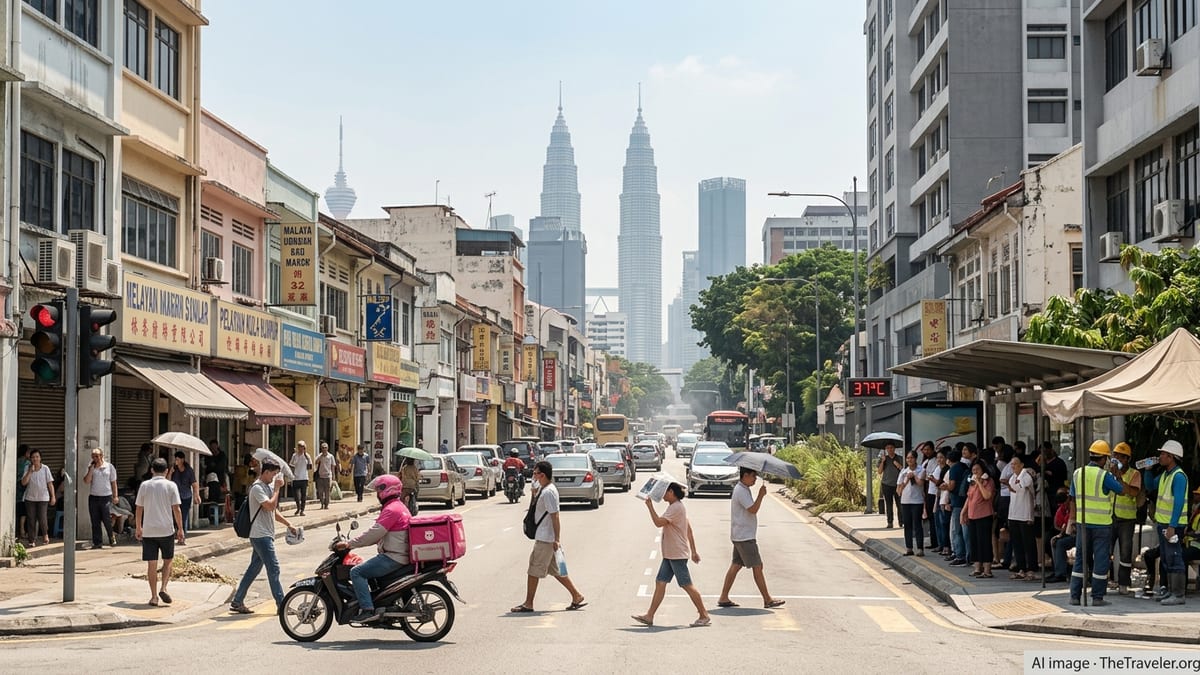
Malaysia is enduring a new phase of intense heat as temperatures hover around 37°C in many areas, disrupting daily life, reshaping outdoor experiences, and pressuring one of Southeast Asia’s most tourism-dependent economies.
Get the latest news straight to your inbox!
Heatwave Alerts and an Earlier, Hotter Season
Reports from Malaysia’s meteorological services and regional weather outlooks indicate that March 2026 has brought persistently hot and dry conditions to large parts of the peninsula, coinciding with the shift out of the Northeast Monsoon. Daytime highs of 35°C to 37°C are now common in major urban centers, with inland northern states occasionally edging higher. Publicly available guidance highlights that a technical heatwave in Malaysia is defined as temperatures of 37°C to 40°C sustained over at least three consecutive days, a threshold that several locations are now approaching or surpassing.
In recent days, local coverage and publicly shared weather information point to a patchwork of Level 1 and Level 2 alerts across up to a dozen or more areas in Peninsular Malaysia as hot weather persists. Communities in parts of Kedah, Perlis and Perak are among those reporting some of the most intense conditions, with social media posts and local commentary describing afternoon heat that feels significantly hotter once humidity is taken into account.
Malaysia’s hot season traditionally peaks closer to April, but this year’s spike is tracking earlier and is being described in regional climate briefings as part of a broader pattern of extreme heat affecting mainland and maritime Southeast Asia. International climate assessments released over the past year have already identified Southeast Asia as a hotspot for compounding heat stress, with El Niño conditions and long-term warming amplifying extremes.
Climate-focused analyses suggest that these trends are no longer isolated events. Global climate reporting for 2024 highlighted major heat anomalies in mainland Southeast Asia, and more recent outlooks from international meteorological bodies warn that 2026 could bring more frequent and longer-lasting hot spells. Malaysia’s current temperatures, while not unprecedented for the tropics, are occurring more persistently and over a wider area than in many past years.
Daily Routines Upended as Heat Reshapes Urban Life
The latest hot spell is being felt first in everyday routines. Local news outlets in Malaysia are carrying advisories for residents to limit strenuous activity during mid-afternoon, while health-related public information campaigns emphasize hydration, reduced sun exposure and careful monitoring of children, older people and outdoor workers. Publicly available education guidelines, updated in recent years, outline that schools may adjust timetables or close temporarily if temperatures exceed 37°C for several days and a heatwave declaration is issued.
Commuters in Kuala Lumpur, Penang and Johor Bahru are contending with hotter-than-usual mornings and evenings, with anecdotal reports on social platforms noting indoor temperatures exceeding 30°C at night in homes without air conditioning. This is increasing reliance on cooling appliances and adding to concerns about electricity demand and household costs as fans and air conditioners run for longer periods.
Urban planners and public-health commentators have been warning that prolonged heat places vulnerable groups at heightened risk. Regional climate-health initiatives launched this year, backed by multilateral organizations, point to rising heat stress among children, pregnant people, older adults and those who work outdoors. These concerns are echoed in recent media coverage from neighboring countries facing similar conditions, underlining that Malaysia’s experience is part of a wider Asian heat emergency.
Public spaces are being used differently as a result. Parks and outdoor sports facilities report thinner crowds during the midday peak, while shaded areas in shopping malls and transit hubs are becoming important informal cooling zones. This shift in behavior mirrors patterns documented in recent research on Asia’s cities, where residents adapt by compressing outdoor activity into early-morning and late-evening windows.
Tourism Industry Adjusts as Outdoor Experiences Take a Hit
The tourism sector, a central pillar of Malaysia’s economy, is also feeling the impact of the latest heatwave. Industry analyses released this year by international economic institutes note that higher temperatures across Asia are already reducing visitor arrivals and per-visitor spending as travelers cut back on outdoor excursions during the hottest hours of the day. Malaysia, which promotes a mix of city breaks, rainforest trekking and island holidays, is particularly exposed to weather-driven disruptions.
Travel advisories and tour briefings for March 2026 describe conditions in Kuala Lumpur and coastal resort areas as “hot and humid,” with typical afternoon temperatures around 35°C to 37°C and a higher perceived temperature due to humidity. Operators are increasingly shifting tours to early morning or late afternoon, shortening mid-day excursions, and emphasizing access to shade and air-conditioned transport. Some adventure and nature-focused operators report more frequent last-minute changes to hiking, cycling and wildlife-watching schedules to avoid exposing guests to extreme heat on exposed trails.
At popular islands and beach destinations, including parts of Langkawi, Penang and the east coast resorts, the heat is altering what constitutes a “peak” hour on the sand. Midday beach traffic is thinning out, replaced by sunrise and sunset crowds. Industry commentary in regional tourism publications notes that even modest declines in mid-day occupancy for outdoor attractions can affect revenue, especially for smaller operators that depend on walk-up visitors.
Conference and business travel is also in the spotlight. Major events such as regional tourism forums highlight climate resilience and sustainable tourism as key themes, reflecting growing concern that repeated extreme heat events could erode Malaysia’s competitiveness as a year-round destination. Organizers are beginning to market venues’ cooling systems, shaded outdoor areas and flexible scheduling as selling points for delegates wary of spending long hours in the sun.
Strain on Water Resources, Infrastructure and Ecosystems
Alongside direct health and tourism impacts, sustained high temperatures are increasing pressure on Malaysia’s water resources and infrastructure. Recent regional situation reports covering Southeast Asia point to declining reservoir levels and heightened monitoring of dams as dry conditions persist. Commentaries circulating in environmental and risk-focused forums note that a significant share of Malaysia’s dams has already moved into alert status compared with normal levels for this time of year.
Lower water levels can affect both urban supply and rural livelihoods. In agricultural districts, farmers are reporting more variable rainfall and extended dry spells between storms, complicating planting decisions for rice, fruits and plantation crops. The combination of heat and dryness raises the risk of localised bush and peat fires, which in previous years have contributed to transboundary haze episodes across the region, although widespread haze linked to the current hot spell has not yet been reported.
Infrastructure, from roads to rail lines, is also vulnerable. Persistent high temperatures can accelerate wear on asphalt surfaces and expand maintenance needs, while higher electricity demand for cooling stresses power grids. Energy planners and climate analysts in Asia have warned that simultaneous heatwaves across multiple countries may raise regional electricity demand substantially, pushing up peak loads and exposing weaknesses in transmission and distribution networks.
Natural ecosystems in Malaysia’s forests, wetlands and coral reefs face quieter but substantial risks as well. Scientific reports on recent years’ heat events in Southeast Asia link elevated land and sea surface temperatures to coral bleaching, shifts in species distribution and stress on highland ecosystems that normally offer cooler refuges. As more Malaysians and visitors seek relief from urban heat by heading to hills and islands, the pressure on these fragile environments increases.
Adapting Travel Plans and Long-Term Responses
For travelers planning visits to Malaysia during this intensifying heatwave, practical adjustments are becoming essential. Travel guidance from regional tourism councils and industry bodies encourages visitors to schedule outdoor sightseeing in the early morning and late afternoon, remain hydrated, use high-factor sun protection, and choose accommodation with adequate cooling and ventilation. Tourists are also advised to monitor local weather updates from official channels, which frequently publish heat alerts and thunderstorm warnings during this season.
Domestic tourism patterns are likely to shift as well. Malaysians are increasingly seeking cooler microclimates in highland destinations or opting for short stays in properties with strong air conditioning and shaded pools. Surveys on sustainable travel in Southeast Asia show that travelers are paying more attention to how climate change and extreme heat affect their choices, with Malaysia’s own tourism strategy highlighting the need to balance visitor numbers with environmental protection and community resilience.
In the longer term, Malaysia is being cited in regional climate and development reports as a key test case for how middle-income economies can adapt to escalating heat. Proposed measures range from redesigning cities with more shade and greenery to upgrading building standards so homes, schools and hotels stay cooler with less energy. Tourism development plans increasingly reference the need for climate-resilient infrastructure, diversified products that are less vulnerable to weather shocks, and better communication with visitors about seasonal risks.
As Asia’s broader heatwave intensifies, Malaysia’s current experience underscores how quickly extreme temperatures can ripple through daily life, outdoor culture and the visitor economy. The latest 37°C days are a warning that the country’s cherished beaches, bustling cities and lush forests will need to be reimagined for a hotter future, even as travelers continue to seek them out.