

More news on this day
Malaysia’s tourism rebound has shifted into a higher gear in 2026, building on more than 42 million international visitors in the previous year, with short-haul neighbours and key long-haul markets helping to push arrivals toward government targets set for the Visit Malaysia 2026 campaign.
Get the latest news straight to your inbox!
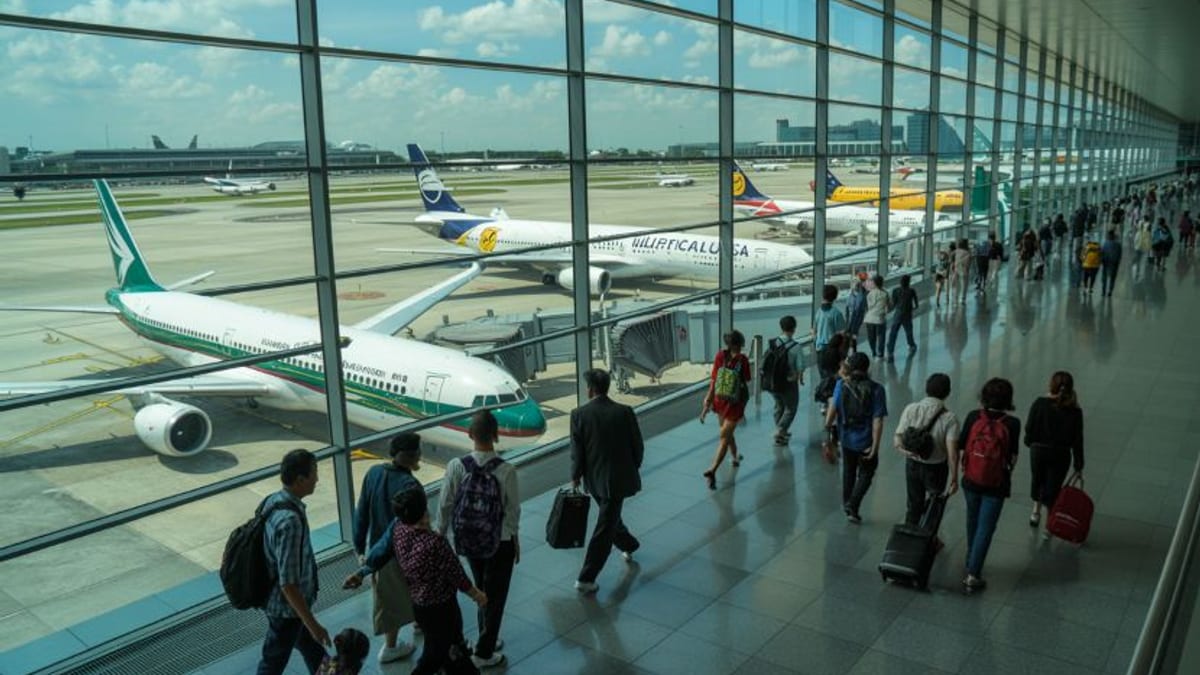
Image by Travel And Tour World
From Recovery To Record-Breaking Momentum
Publicly available data for 2025 shows that Malaysia welcomed around 42.2 million international visitors, including both tourists and excursionists, marking a double-digit increase on the previous year and putting the country among Asia’s most dynamic tourism performers. Analysts describe the figure as a milestone in Malaysia’s post-pandemic recovery and a launchpad for even higher volumes in 2026 as major campaigns and infrastructure projects come online.
The 42 million mark is significant because it exceeds pre-pandemic benchmarks for total cross-border movements, even as average trip lengths and spending patterns continue to adjust. Industry commentary notes that the latest numbers reflect not only traditional leisure travel but also cross-border commuting, medical travel, education, meetings and events, and shopping trips that are central to Malaysia’s role as a regional hub.
In parallel, national targets under the Visit Malaysia 2026 banner remain ambitious. Different planning documents and commentaries outline goals ranging from the mid-30 million range for core tourists to as high as the mid-40 million range when all international visitors are counted. Recent research coverage suggests that, under less favourable global conditions, Malaysia could still end 2026 with around 42 to 43 million international arrivals, roughly in line with the latest reported baseline.
While some analysts warn that geopolitical tensions and economic headwinds could weigh on long-haul demand, regional travel is expected to continue underpinning the totals. Short-haul markets, especially those connected by land and frequent air services, are seen as a structural strength that differentiates Malaysia from many competitors.
Singapore And Indonesia Anchor Short-Haul Demand
Neighbouring Singapore is widely identified as Malaysia’s largest single source of visitors, frequently accounting for well over one-third of total arrivals. Recent statistics and commentary indicate that millions of Singapore residents cross the border annually for day trips and longer stays, with some re-entering multiple times a month for work, shopping or leisure. This intense cross-border movement along the Johor-Singapore Causeway and Second Link is a defining feature of Malaysia’s tourism profile.
Because each entry is counted as an arrival, specialists point out that visitor tallies from Singapore can appear inflated when compared with traditional holiday markets, yet the spending impact remains substantial. Retail centres in Johor Bahru, coastal resorts in Desaru, and healthcare facilities across southern Malaysia continue to report strong demand from Singaporean customers drawn by relative price advantages and increasingly upgraded facilities.
Indonesia is another pillar of short-haul growth. Official tourism statistics for recent years consistently place Indonesia among Malaysia’s top three source markets, with visitor volumes climbing as air connectivity rebounds and sea links between Sumatra and Peninsular Malaysia resume fuller operations. The cultural and linguistic proximity between the two countries supports a mix of family visits, religious travel, education and business trips that help stabilise demand even in weaker global cycles.
Analysts also highlight emerging secondary routes that connect Indonesia’s tier-two cities directly to Malaysian destinations such as Penang, Kuching and Kota Kinabalu. These routes are seen as crucial to dispersing visitor flows beyond Kuala Lumpur and promoting more balanced regional development.
China Reconnects, The UK Extends Malaysia’s Global Reach
China’s role in Malaysia’s tourism landscape is rapidly reasserting itself. Recent reports on inbound flows show strong double-digit growth in Chinese arrivals compared with earlier recovery phases, supported by the restoration of flight capacity and targeted marketing in major Chinese cities. Additional services by Chinese and Malaysian carriers are being promoted as a key driver for sustaining this upward trajectory into and through 2026.
Tourism-focused analysis notes that Chinese travellers increasingly combine Malaysia with other regional destinations, using Kuala Lumpur and various secondary gateways as part of multi-country itineraries. Besides classic beach and city breaks, Malaysia is positioning island destinations such as Langkawi and Sabah’s east coast, as well as highland retreats and shopping districts, to appeal to repeat visitors seeking new experiences.
The United Kingdom, while smaller in volume than regional neighbours, remains one of Malaysia’s most important long-haul markets. Historical tourism statistics show the UK ranking among Malaysia’s top Western European sources, reflecting deep cultural ties, education links and the appeal of Malaysia as a winter-sun destination. Travel industry commentary suggests that British visitors typically stay longer and spend more per trip than regional travellers, making the UK a high-value part of the country’s tourism mix.
Improved air services between the UK and Southeast Asia, alongside competitive fares and expanded code-share arrangements, are expected to support further growth. Long-haul visitors from the UK often combine Peninsular Malaysia with Borneo, particularly Sarawak and Sabah, which are promoted for wildlife experiences, diving and soft adventure.
Visit Malaysia 2026: Targets, Strategy And Pressure Points
The Visit Malaysia 2026 campaign sits at the centre of current tourism policy. Government planning documents and public briefings describe numerical targets that aim to eclipse previous highs in both arrivals and tourism receipts, tying the campaign to broader economic goals and Malaysia’s upcoming leadership role in regional forums.
Key elements of the roadmap include diversifying source markets, encouraging longer stays, boosting average spending and promoting segments such as medical tourism, meetings and incentives, sports events and eco-tourism. State-level initiatives in destinations like Sabah and Sarawak already reference Visit Malaysia 2026 as a guiding framework, with local authorities working on new attractions, events calendars and connectivity upgrades.
At the same time, commentary in regional media and specialist research notes that there is growing scrutiny of whether the highest targets are attainable by 2026. Some economic research houses argue that, while Malaysia’s structural advantages are clear, factors such as airline capacity constraints, currency volatility and external geopolitical risks could cap arrivals closer to the low-40-million range.
Environmental and social considerations are also increasingly part of the debate. Opinion pieces highlight concerns about overtourism in fragile coastal and island ecosystems, waste management challenges and the need for stronger safeguards in areas popular for wildlife encounters. These perspectives call for the Visit Malaysia 2026 push to prioritise sustainable growth over volume alone, particularly in national parks, marine protected areas and indigenous community territories.
What Travelers Need To Know For 2026
For international visitors, the current trajectory suggests that Malaysia will remain one of Southeast Asia’s most accessible and competitively priced destinations throughout 2026. Capacity on regional routes from Singapore and Indonesia is expected to stay high, while continued restoration of flights from China, the UK and other long-haul markets should offer a growing range of options for multi-destination trips across the region.
Travel industry briefings emphasise that Malaysia is leaning into its longstanding “Truly Asia” positioning by promoting the diversity of its cultural heritage, food, nature and city experiences. Major urban centres such as Kuala Lumpur, George Town and Johor Bahru remain core hubs, but there is a parallel push to highlight lesser-known highland towns, riverine communities and inland national parks to spread visitor spending more evenly.
Observers expect infrastructure upgrades to be a recurring theme as 2026 approaches. Projects under way range from transport improvements and border facilities to the refurbishment of major event venues, alongside digitalisation efforts aimed at making payments and visitor information more seamless. These changes are intended to support higher visitor volumes while improving the overall experience for repeat and first-time travellers alike.
With more than 42 million international visitors already forming the latest benchmark, Malaysia’s tourism narrative in 2026 is set to revolve around how effectively the country can convert strong regional demand and rising long-haul interest into sustainable, higher-value growth. For travellers, that translates into a destination adding new layers of connectivity and content at the very moment global attention is turning toward Visit Malaysia 2026.