

Malaysia is one of Southeast Asia’s most rewarding destinations, blending tropical islands, dense rainforest, bustling modern cities and a rich mix of Malay, Chinese, Indian and Indigenous cultures. Before you start booking flights and daydreaming about satay and sunsets, it pays to understand the country’s seasons, basic entry rules, safety landscape and on-the-ground logistics. This guide walks you through what to know before planning your trip so you can arrive prepared and make the most of your time in Malaysia.
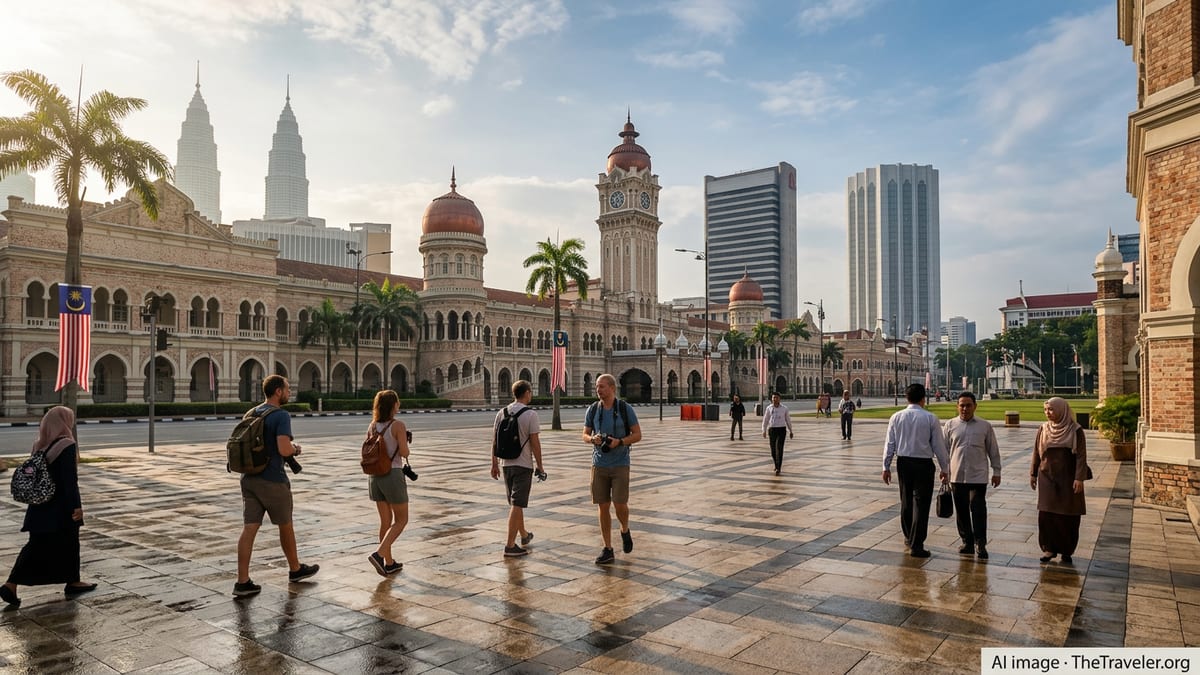
Understanding Malaysia’s Geography and Regions
Malaysia is split into two main landmasses: Peninsular Malaysia, which extends south from Thailand toward Singapore, and Malaysian Borneo, which occupies parts of the island of Borneo in the states of Sabah and Sarawak. Most first-time visitors focus on Peninsular Malaysia, where you will find the capital Kuala Lumpur, the colonial streets of Melaka and George Town, and popular west coast islands such as Langkawi and Penang. Malaysian Borneo offers a different experience altogether, with ancient rainforests, coral-fringed islands and cultural experiences with Indigenous communities.
Distances within Peninsular Malaysia are relatively manageable, and a modern network of highways, buses and domestic flights makes it easy to combine city, highlands and islands in a single itinerary. By contrast, Sabah and Sarawak are more spread out and less densely populated, so getting around often involves a mix of domestic flights, 4x4 transfers and boat journeys. When planning, consider whether you prefer an urban and culinary focus, a nature-forward Borneo itinerary, or a combination if you have two weeks or more.
Malaysia’s multicultural character shapes nearly every aspect of travel, from food to festivals. Malay is the official language, but English is widely understood in major cities and tourist areas, and you will hear Mandarin, Cantonese, Tamil and many other languages in markets and neighborhoods. This diversity means travelers can experience several cultures in a single day, but it also means customs vary by region and community, so approaching interactions with curiosity and respect goes a long way.
Because many visitors try to do too much in a short time, one of the best planning decisions you can make is to limit the number of regions you include. For a first trip of 7 to 10 days, choosing either Peninsular Malaysia or Malaysian Borneo often leads to a more relaxed experience than racing between both.
When to Visit: Weather, Monsoons and Festivals
Malaysia sits near the equator, so expect hot, humid conditions year-round with daytime temperatures typically in the low 30s Celsius and high humidity. Instead of four seasons, Malaysia has two main monsoon patterns and frequent short tropical downpours. The northeast monsoon generally affects the east coast of Peninsular Malaysia and much of Borneo from roughly October to March, bringing heavier rain, rough seas and, at times, localized flooding in vulnerable areas. Some east coast islands partially close during the peak of this season.
The west coast of Peninsular Malaysia, including Langkawi and Penang, usually sees its driest, most settled weather from about December to April, which is a popular time for beach trips. In Kuala Lumpur and other inland cities, you can expect bursts of afternoon rain in most months, but these showers are often intense and brief rather than all-day storms. Even in the wetter months, mornings can be bright and sunny, so rain rarely needs to derail a trip if you plan indoor activities or cafe time during the heaviest showers.
If you have flexibility, shoulder periods can offer a good balance between weather and crowds. March to early May and late September to early November can bring relatively pleasant conditions in many parts of the country, though patterns shift year to year and climate change has made rainfall less predictable. Because heavy monsoon downpours sometimes cause transport disruptions and flash floods in low-lying urban areas, check local forecasts and advisories in the weeks before you travel, particularly if you are visiting during the peak of the northeast monsoon.
Festivals are another factor to consider when timing your visit. Malaysia’s calendar is filled with major celebrations, including Hari Raya Aidilfitri for Muslims, Chinese New Year, Deepavali, Thaipusam, and regional harvest and cultural festivals. These periods can be fascinating to witness, with decorations, markets and special food, but they also affect transport and accommodation. Buses and flights can sell out, traffic can be heavier, and some smaller businesses may close for a few days. If you plan to visit during a major holiday, secure transport and hotels well in advance and expect some schedule changes.
Entry Requirements, Visas and Health Essentials
For many nationalities, Malaysia remains relatively straightforward to enter for short tourism visits. Travelers from countries such as the United States, Canada, much of Western Europe, Australia and New Zealand are typically granted a visa-free stay for a limited period on arrival, often up to 90 days, provided their passport is valid for at least six months beyond entry and they hold a confirmed onward or return ticket. Policies differ for other nationalities and can change with little notice, so always check the latest entry rules from official Malaysian government or consular sources shortly before you travel.
Malaysia has rolled out a digital arrival system that requires many foreign visitors to complete an online arrival form before entering the country. This form is generally free and is designed to streamline immigration checks. It is important to fill it out accurately and in advance of your flight to avoid delays on arrival. Depending on your nationality, you may also need to obtain a visa in advance or an electronic authorization, so do not assume rules are the same as neighboring countries in the region.
There are no blanket quarantine requirements for routine tourist travel under current conditions, but public health measures can shift if new infectious disease threats emerge. It is wise to travel with proof of routine vaccinations and to confirm any recommended vaccines, such as those for hepatitis A or typhoid, with a qualified medical professional before travelling. In parts of Malaysian Borneo and some rural areas, mosquito-borne diseases such as dengue are a concern, so packing strong insect repellent, long sleeves for evenings and taking basic bite-avoidance precautions is important.
Travel insurance that covers medical care, evacuation and trip interruptions is strongly recommended. Malaysia has both excellent private hospitals in major cities and more basic facilities in rural areas. While healthcare costs are often lower than in many Western countries, serious treatment or medical evacuation can still be expensive without insurance. Keep digital and printed copies of your passport, policy details and any prescriptions, and ensure your usual medications are in their original labeled packaging along with a letter from your doctor if you carry controlled substances.
Safety, Laws and Cultural Etiquette
Malaysia is generally considered a relatively safe country to visit, with most trips passing without serious incident. Petty crime such as bag-snatching, pickpocketing and opportunistic theft can occur in busy areas, particularly in larger cities and on crowded public transport. Sensible precautions go a long way: keep bags zipped and close to your body, avoid displaying expensive jewelry and electronics, and be cautious when using your phone on the street near busy roads. Road safety is a more significant risk than violent crime, so use reputable transport, wear seatbelts where available and be cautious if renting scooters or driving yourself.
Scams do exist, ranging from overcharging and unofficial “guides” to more sophisticated online and payment-related fraud. Be wary of unsolicited offers of help at ATMs, requests to scan random QR codes, or high-pressure sales tactics that involve timeshares, investment schemes or gambling. If something feels too good to be true, it usually is. Use official taxi apps or ride-hailing services where possible, check restaurant and tour prices in advance, and confirm fares for taxis or private drivers before setting off if a meter is not used.
Malaysia has a mix of secular and Islamic law, and some states have additional regulations that apply particularly to Muslims. Alcohol is legal but regulated, and it is not as widely available or as inexpensive as in some neighboring countries. Drug laws are extremely strict and penalties for trafficking are severe. Avoid any involvement with illegal drugs, including possession of small amounts. Public behavior that might be tolerated elsewhere, such as being very intoxicated in public or disrespecting religious sites, can cause serious trouble or at least attract unwanted attention.
Culturally, dressing modestly is appreciated, especially outside major tourist areas and when visiting mosques, temples and rural villages. For women, covering shoulders and knees is advisable in religious and traditional environments; some mosques provide robes or shawls for visitors. Removing shoes before entering homes and many temples is standard. Using your right hand for eating and passing items is considered polite, and public displays of affection are best kept low-key. English is widely spoken, but learning a few words of Malay, such as “terima kasih” for thank you, is a simple way to show respect.
Money, Costs and Connectivity
Malaysia’s currency is the ringgit, abbreviated as MYR. Cash is still useful in smaller shops, markets and rural areas, but cities and larger tourist destinations increasingly accept cards and mobile payments. ATMs are widely available in urban centers, malls and airports, and they usually offer competitive exchange rates compared with currency exchange kiosks. Inform your bank of your travel plans to avoid blocked cards, and carry at least one backup card stored separately in case of loss or technical issues.
Day-to-day costs vary by region and style of travel, but Malaysia can be excellent value compared with many Western destinations. Budget travelers who stick to local eateries, public transport and modest guesthouses can keep daily expenses relatively low, while mid-range travelers will find a wide choice of comfortable hotels and restaurants at moderate prices. Imported alcohol, high-end dining and luxury resorts on popular islands can significantly raise your budget, so factor these in when planning.
Mobile data coverage is generally good in cities and along major transport corridors, and local SIM cards or eSIMs are easy to obtain at airports and shopping centers with a passport. Packages with generous data allowances are affordable, making it straightforward to navigate with mapping apps, use ride-hailing services and stay in touch. Wi‑Fi is common in hotels, cafes and malls, though speeds and reliability can vary in more remote areas, particularly on small islands and in the rainforest.
For payments, contactless credit and debit cards are increasingly accepted at chain stores, supermarkets and transport services, but you should not rely on them exclusively. Some smaller family-run businesses, rural guesthouses and local markets operate on a cash-only basis. Having a mix of payment options, including small denomination notes, makes everyday transactions smoother and can also help with bargaining in markets where haggling is customary.
Getting Around: Transport Within Malaysia
Malaysia has a well-developed transport network that makes it relatively easy to move between cities and regions. Domestic flights connect Kuala Lumpur with major destinations such as Penang, Langkawi, Kota Kinabalu and Kuching, and can save time on longer journeys, especially to and within Malaysian Borneo. Booking in advance usually yields lower fares, particularly during school holidays and festive periods when demand rises sharply.
On the ground, intercity buses are a popular and economical way to travel between towns and cities on Peninsular Malaysia. They range from basic to comfortable with reclining seats and air-conditioning. The rail system, including modern electric trains on some routes, links key destinations such as Kuala Lumpur, Ipoh, Penang (via Butterworth) and the Thai border. Trains are often more spacious and scenic than buses but may have less frequent departures, so planning ahead is important if you prefer rail travel.
Within cities, you can combine light rail or metro systems, buses and ride-hailing apps to get around. Kuala Lumpur has several interconnected train lines that serve the city center and suburbs, though interchanges can be confusing for newcomers. Ride-hailing has become a convenient and often affordable option for point-to-point journeys, especially when traveling with luggage or in the heat and humidity. Taxis still operate, but it is best to use metered services or agree a fare in advance to avoid misunderstandings.
Renting a car or scooter gives more flexibility, particularly in areas with limited public transport, but driving conditions can be stressful if you are not used to local traffic. Malaysia drives on the left, and road rules are sometimes interpreted flexibly. Long-distance highways are generally in good condition, but congestion around major cities can be heavy, and rural roads may be poorly lit at night. If you choose to drive, ensure your license is valid in Malaysia, consider an international driving permit, and check that your travel insurance covers vehicle rental and accidents.
Top Regions and Experiences to Consider
When you start building your itinerary, think in terms of regions and themes rather than trying to tick off every well-known destination. In Peninsular Malaysia, Kuala Lumpur, with its skyline views, major malls and street food, often serves as the entry point. Nearby, the historical city of Melaka and the island of Penang, particularly George Town, showcase colonial architecture, street art and some of the country’s best-known food scenes. Langkawi and other west coast islands appeal to travelers looking for beaches, sunsets and resort stays.
If cooler air and greenery appeal, the Cameron Highlands and other upland regions provide tea plantations, forest trails and colonial-era guesthouses. On the east coast of Peninsular Malaysia, islands such as the Perhentians, Redang and Tioman are known for clear water and marine life but are heavily influenced by the northeast monsoon. Many dive and snorkel operations run seasonally, so check operating months before planning a trip focused on these islands.
In Malaysian Borneo, Sabah is renowned for Mount Kinabalu, wildlife encounters and offshore islands, while Sarawak offers dense jungles, cave systems and cultural visits to longhouses. These experiences often involve more logistics and higher costs than a straightforward city and beach trip, but they reward visitors with a deeper sense of Malaysia’s biodiversity and Indigenous cultures. Because weather and conservation rules can affect access to some sites, such as national parks and climb quotas, advance planning is especially important for Borneo.
Whatever destinations you choose, try to leave some breathing room in your schedule. Tropical heat, sudden showers and the temptation of one more street food stall or neighborhood to wander all argue for a slightly slower pace than you might plan at home. Many travelers find that their most memorable Malaysian experiences come not from landmark attractions but from impromptu market visits, conversations at kopi shops and unexpected roadside food stops.
Food, Drink and Staying Healthy
Malaysia’s food is a major highlight and a central reason many travelers return. The cuisine reflects the country’s multicultural makeup, drawing on Malay, Chinese, Indian and Indigenous influences and often blending them in creative ways. In a single day you might eat nasi lemak for breakfast, Chinese-style noodles for lunch and banana leaf rice or tandoori for dinner, with countless snacks and drinks in between. Street food is widespread and, for many visitors, an essential part of the experience.
While most travelers eat street food without serious problems, a few basic precautions reduce the chance of stomach issues. Choose busy stalls with high turnover, where food is freshly cooked, and avoid items that have been sitting exposed for a long time in the heat. Peel your own fruits when possible, and use hand sanitizer or wash your hands frequently. Tap water is generally not recommended for drinking, but ice in cities is often produced from purified water. If you prefer to be cautious, opt for bottled or filtered water and hot drinks.
Alcohol is available in many restaurants, bars and supermarkets in major cities and tourist areas, though it may be less common or more discreet in conservative neighborhoods and states with stricter alcohol regulations. Drinking in moderation in licensed venues is accepted, but public drunkenness is frowned upon, and importing or using illegal substances is a serious offense. If you have dietary restrictions, such as vegetarian, vegan or gluten-free needs, you can usually find options, especially in larger cities, but it helps to learn a few key phrases in Malay and to communicate clearly with restaurant staff.
Heat and humidity are perhaps the most underestimated health challenges for visitors. Pace yourself, especially in your first few days, and take advantage of the widespread air-conditioning in malls, cafes and public transport. Wear light, breathable clothing, use sunscreen even on overcast days, and drink more water than you might at home. In forested or rural areas, protect yourself from mosquitoes with repellent and appropriate clothing, and follow local guidance regarding leeches, wildlife and trail safety when hiking.
The Takeaway
Planning a trip to Malaysia is as much about understanding its rhythms as it is about booking flights and hotels. Getting familiar with the country’s geography, monsoon patterns, entry rules and safety norms allows you to build an itinerary that matches your interests, tolerance for heat and appetite for adventure. Thoughtful choices about when and where to travel, along with basic precautions around health, money and local laws, free you up to focus on the experiences that make Malaysia special.
Whether you gravitate toward Kuala Lumpur’s city lights, Penang’s food stalls, Langkawi’s beaches or Borneo’s rainforests, arriving prepared helps you connect more deeply with the people and places you encounter. Pack curiosity and flexibility alongside your passport and sunscreen, and you will be better placed to enjoy Malaysia’s blend of cultures, landscapes and flavors. With sensible planning and an open mind, your trip can be both memorable and smooth from the moment you land.
FAQ
Q1. Do I need a visa to visit Malaysia for tourism?
Visa requirements depend on your nationality. Many travelers receive a visa-free stay for a limited period, but rules can change, so always check the latest information from official Malaysian government or consular sources before you fly.
Q2. What is the best time of year to visit Malaysia?
Malaysia is a year-round destination, but December to April often brings drier weather on the west coast, while some east coast islands and parts of Borneo are wetter from about October to March due to the northeast monsoon.
Q3. Is Malaysia safe for solo travelers and families?
Most visits are trouble-free, and Malaysia is generally considered relatively safe. Petty crime and traffic accidents are the main risks, so use common sense precautions, look after your belongings and choose reputable transport.
Q4. What should I wear in Malaysia?
The climate is hot and humid, so light, breathable clothing works best. In religious or conservative areas, it is respectful to dress modestly by covering shoulders and knees and to carry a scarf or shawl for visiting mosques and temples.
Q5. Can I drink the tap water in Malaysia?
Tap water is usually not recommended for visitors to drink directly. Most travelers rely on bottled or filtered water and consume hot drinks or beverages with treated ice, particularly in cities and tourist areas.
Q6. How much cash should I carry?
Carry enough cash for small purchases, markets and rural areas, but rely on ATMs and cards where possible. Cities and larger tourist destinations increasingly accept cards and mobile payments, while smaller family businesses may still be cash-only.
Q7. Is English widely spoken in Malaysia?
English is widely understood in major cities, tourist areas and many hotels and restaurants. In more rural regions it may be less common, so learning a few basic Malay phrases is helpful and appreciated.
Q8. What health precautions should I take?
Consult a medical professional about recommended vaccines, carry any regular medications in original packaging, use insect repellent in mosquito-prone areas and take care with food hygiene and hydration in the heat.
Q9. How easy is it to get around without renting a car?
It is quite feasible. Domestic flights, intercity buses and trains, plus urban metro lines and ride-hailing apps, make it straightforward to travel between major destinations and move around cities without driving yourself.
Q10. Are there any cultural taboos I should be aware of?
Avoid disrespecting religious sites, dress modestly in mosques and temples, remove shoes where required, use your right hand for giving and receiving items, and keep public displays of affection low-key.