

More news on this day
Malaysia’s Foreign Ministry has issued an urgent advisory warning citizens to halt all non-essential travel to parts of the Middle East, as widening military conflict and sudden airspace closures trigger widespread flight disruptions and heighten security risks across the region.
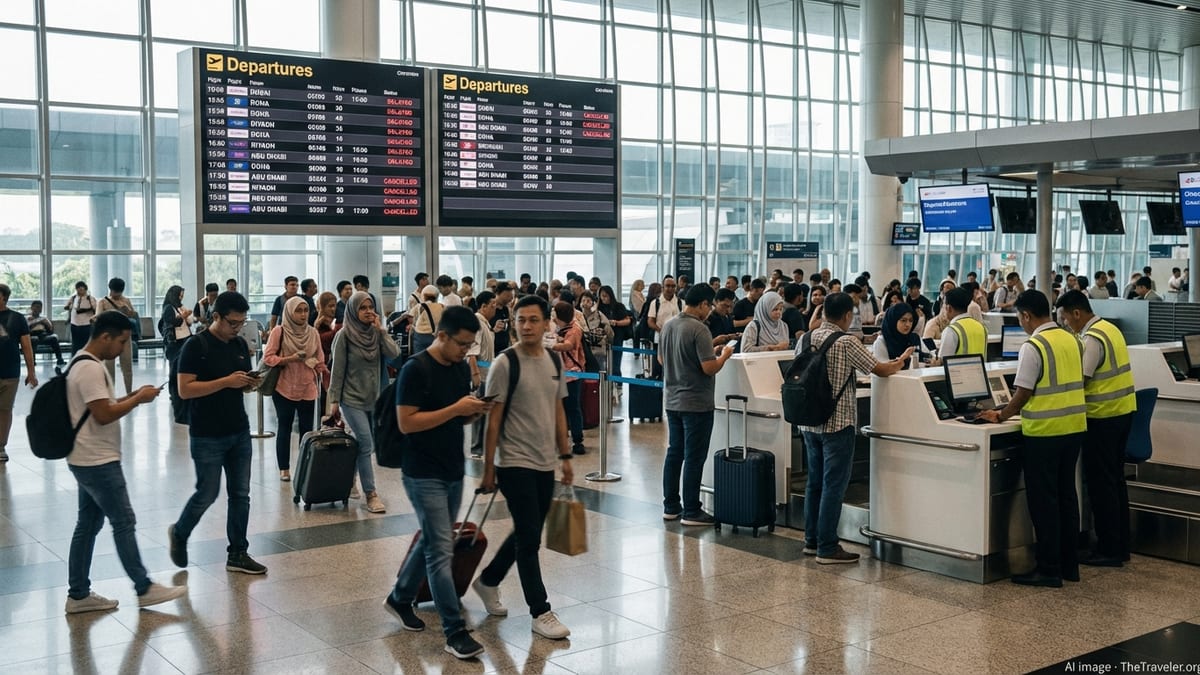
Heightened Tensions Spur Strong Warning From Wisma Putra
In a travel advisory issued on Sunday, March 1, Malaysia’s Foreign Ministry, known as Wisma Putra, urged Malaysians to immediately defer non-essential travel to several Middle Eastern countries as the regional security situation deteriorates. The advisory follows renewed United States and Israeli strikes on targets in Iran and Iraq on February 28 and subsequent retaliatory moves that have led to airspace closures and operational suspensions at key aviation hubs.
Wisma Putra said it is closely monitoring developments and emphasised that the advisory is a precautionary step to safeguard Malaysian citizens abroad. Officials underscored that the situation remains fluid, with risks ranging from missile and drone activity to sudden changes in airport operations and local security responses.
The ministry stressed that the latest guidance strengthens earlier warnings issued in recent days, including advice to avoid travel to Iran amid rising tensions. The updated notice widens the focus to a broader set of countries affected by airspace restrictions and potential spillover from the escalating conflict.
Seven Countries Named as Flight Disruptions Spread
The Foreign Ministry specifically highlighted Iran, Iraq, Jordan, Kuwait, Qatar, Bahrain and the United Arab Emirates as the countries currently of greatest concern. Renewed military strikes and heightened security responses have prompted airspace closures and extensive flight disruptions across this corridor, affecting both point to point travel and popular transit routes used by Malaysians heading to Europe and beyond.
Malaysians in or planning to travel to these states have been advised to anticipate sudden flight cancellations, diversions and airport closures, and to make contingency plans where necessary. Even routes that remain technically open may face last minute schedule changes as airlines adjust to evolving risk assessments and restricted airspace.
Wisma Putra said its diplomatic missions in the region are extending consular assistance and remain in communication with Malaysians stranded in multiple locations, including Saudi Arabia, Jordan, Iraq, Kuwait, Lebanon, Qatar, Oman and the United Arab Emirates. All contacted individuals are reported to be safe and accounted for, with missions helping to arrange temporary shelter, rebooking support and alternative travel where possible.
Stranded Travellers Urged to Stay Calm and Follow Official Channels
As disruptions ripple through major Middle Eastern hubs, Malaysian officials have urged affected travellers to remain calm and to rely only on verified information from official channels. The ministry cautioned against spreading unverified rumours about alleged attacks, evacuations or airport closures on social media, warning that misinformation could complicate consular efforts and cause unnecessary panic.
Travellers currently in the affected region are being told to shelter in place if instructed by local authorities, avoid areas of military activity and large public gatherings, and monitor announcements from host governments and local security agencies. Malaysian diplomatic missions are using official social media feeds and consular mailing lists to share real time updates with registered nationals.
Public mourning periods, temporary internet slowdowns and heightened security checks in some locations are adding to communication challenges. Nevertheless, Wisma Putra’s operations room in Putrajaya remains activated around the clock to coordinate with missions, respond to emergency calls and assist those unable to reach embassies or consulates on the ground.
Airlines and Airports Brace for Extended Turbulence
The Foreign Ministry’s advisory comes as Malaysia’s aviation sector moves to manage knock on effects from the conflict. Malaysia Airports Holdings has issued its own travel notice warning that airspace restrictions across parts of the Middle East could lead to delays, rerouting or cancellations for flights to, from or transiting the region.
Passengers have been urged to check directly with their airlines for the latest status before proceeding to the airport, and to review the entire journey including onward connections via third country hubs. Airport operators say schedules and routings may be revised at short notice as carriers replan flight paths or temporarily suspend services on safety grounds.
Airport teams at Kuala Lumpur International Airport and other key gateways are on standby to guide affected passengers, assist with rebooking processes and help those requiring overnight accommodation. Travellers are being advised to keep contact details updated with their airlines and to monitor both airline and airport information channels for timely notifications.
Industry officials note that the disruptions are not limited to direct links between Malaysia and the named Middle Eastern countries. With major Gulf hubs facing constraints, journeys to Europe, Africa and parts of the Americas that typically rely on connections through the region may also be affected.
Registration and Preparedness Key for Malaysians Abroad
Beyond the immediate call to halt non-essential trips, Wisma Putra is placing renewed emphasis on consular preparedness. Malaysians residing in or visiting the affected countries are strongly urged to register their presence and contact details via the government’s online consular platform or with the nearest Malaysian diplomatic mission. This, officials say, is critical for rapid communication should the security environment worsen or evacuation support become necessary.
The ministry has reminded citizens that travel plans to the region should be reviewed in light of the advisory, with non essential business trips, pilgrimages and leisure travel deferred until the situation stabilises. Those who consider their travel essential are encouraged to conduct thorough risk assessments, maintain flexible itineraries and ensure that travel insurance covers conflict related disruptions.
Wisma Putra reiterated that safeguarding the welfare of Malaysians abroad remains its top priority as tensions in the Middle East continue to evolve. While the advisory will be updated as conditions change, officials say the immediate message is clear: avoid unnecessary travel into a rapidly shifting conflict zone and stay closely connected with official Malaysian channels for the latest guidance.