

More news on this day
The Maldives is sharpening its focus on value-conscious Indian holidaymakers in 2026, banking on expanded India–Malé air links and a growing budget stay ecosystem to attract at least 200,000 visitors from India.
Get the latest news straight to your inbox!
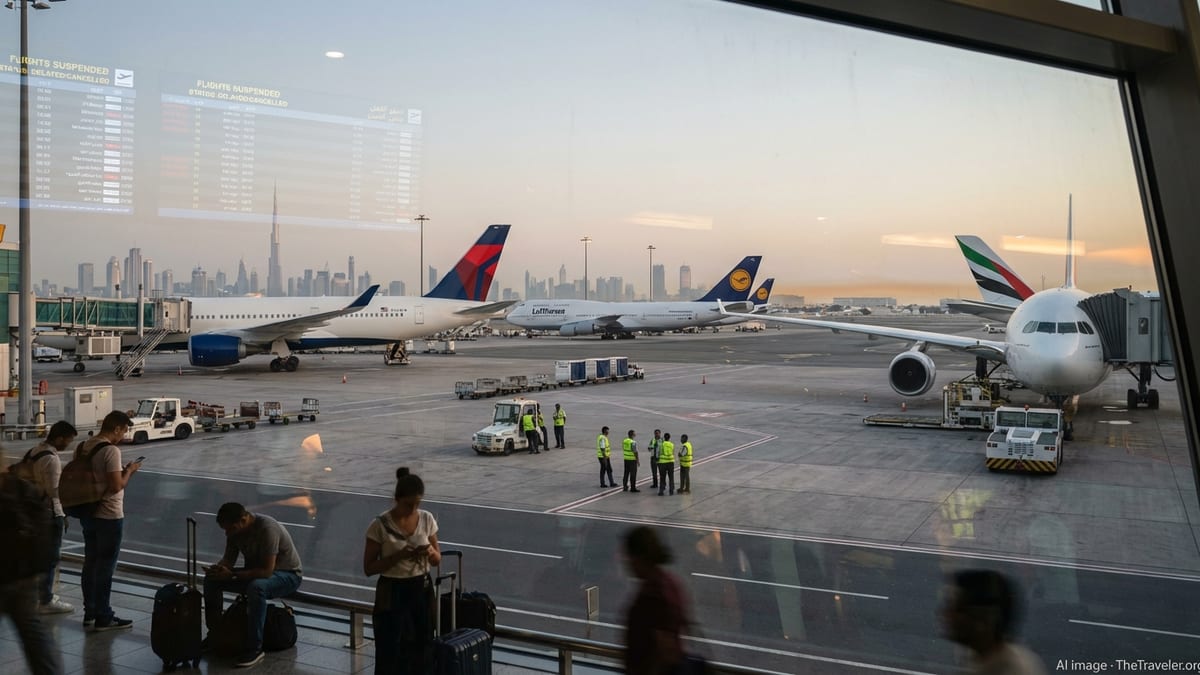
Indian market rebounds as Maldives sets fresh targets
Tourism data and projections for 2025 and 2026 indicate that the Maldives is seeking to restore India’s position as one of its most important source markets after a turbulent period in 2024. Published coverage from regional tourism trackers shows that Indian arrivals, which had crossed 200,000 in 2023, slipped in 2024 as geopolitical tensions and changing travel sentiment temporarily cooled demand from the country.
Government budget documents and sector commentary for 2026 point to an overall arrivals goal above 2.2 million visitors, with India expected to remain a top-five contributor. Trade press reports in India suggest that Maldives promotion campaigns are again being tailored around volume-driven segments such as young couples, multigenerational families and small groups from major metros and tier-two cities.
Industry analysts following South Asian tourism say that within this broader push, a realistic benchmark for the Indian market in 2026 is around 2 lakh, or 200,000, visitors. That figure would signal a return to pre-dip levels, while still giving room for growth in higher-spend categories like premium all-inclusive resorts and luxury liveaboards.
At the same time, commentators note that Indian travellers have become more price-sensitive amid a weaker rupee and rising airfares across the region. This has prompted the Maldives to highlight not only its upper-end resorts, but also guesthouses, mid-scale hotels and combinations of budget and upscale stays, in order to appeal to a wider cross-section of Indian tourists.
New and restored India–Malé flight routes reshape access
Improved air connectivity between India and the Maldives is a central plank of the 2026 visitor target. Indian carriers and Maldivian operators are gradually rebuilding and expanding their networks to Malé’s Velana International Airport after schedule disruptions and route pauses seen in 2024 and 2025.
Recent aviation coverage shows IndiGo strengthening its Indian Ocean network with additional flights to Malé from southern Indian gateways, including seasonal and festival-focused services from cities such as Thiruvananthapuram. Reports indicate that these routes are being scheduled to offer short, sub-four-hour hops that align with long-weekend and school-holiday demand from India.
Air India, now operating as the merged entity that absorbed Vistara, continues to run direct services from key metros like Delhi and Mumbai, while rationalising frequencies in response to fleet changes and evolving demand. Aviation industry analysis notes that the merged airline is gradually deploying more efficient aircraft on high-density leisure sectors, which could help moderate fares on India–Malé routes over the next year.
Regional media in the Maldives also point to additional connectivity via Indian low-cost and hybrid carriers, charter flights from select Indian cities during peak periods, and strong one-stop options through Gulf and Southeast Asian hubs. Collectively, this network gives Indian travellers multiple ways to reach the Maldives, ranging from no-frills direct flights to premium connecting itineraries.
Budget guesthouses and local islands widen the price spectrum
While the Maldives is globally associated with ultra-luxury overwater villas, the domestic tourism landscape has diversified considerably, and this shift is particularly significant for Indian travellers in 2026. Sector overviews compiled for the 2025 season show thousands of guesthouse beds now available on inhabited islands, complemented by a growing number of mid-range hotels and smaller resorts.
Maldivian tourism statistics shared in public reports highlight that guesthouse capacity accounts for a substantial share of total beds, offering nightly rates far below most private-island resorts. For Indian visitors, many of whom travel in family groups or with friends, these properties can reduce the overall holiday bill while still providing access to house reefs, excursions and local culture.
Travel guides targeting the Indian market describe common cost-saving strategies such as staying on a local island for most of the trip and adding one or two nights at a higher-end resort, a pattern often referred to as a split-stay. This approach lowers average nightly costs while still delivering the Maldivian postcard experience that many Indian travellers seek for honeymoons, anniversaries and special occasions.
Industry observers note that the rise of domestic low-cost carriers within India has also normalised budget-first thinking. As a result, Indian travellers are increasingly comparing Maldivian guesthouse packages not only with premium beach holidays, but also with short-haul domestic beach trips, pushing Maldivian operators to sharpen prices and inclusions.
Balancing new taxes with value-driven offers
One of the challenges facing the Maldives in 2026 is the higher cost base that visitors now face, particularly after changes in tourism-related taxes and fees. Analytical pieces published in 2024 and 2025 described increases in the tourism goods and services tax and sharp rises in the so-called green tax, which is levied per person per night on guests staying in hotels, guesthouses and resorts.
Further adjustments to the tax structure, set out in reports on policy changes for 2025, are estimated to add more than 100 US dollars to a typical stay once nightly levies and airport departure charges are factored in. For Indian travellers operating with fixed budgets in rupees, this makes airfares and accommodation discounts more critical in determining whether a Maldives holiday remains viable.
To offset these pressures, tourism businesses are leaning on value-focused promotions. Publicly available rate examples for the 2026 planning cycle highlight bundled packages that include airport transfers, daily breakfast, selected excursions and even domestic flights or speedboat transfers in a single upfront price. This helps Indian travellers better anticipate total trip costs at the booking stage.
Some operators are also experimenting with longer-stay offers, such as stay-seven-pay-five or similar structures, which can be attractive for Indians seeking extended breaks during school holidays or remote-working stints. Industry commentary suggests that these promotions are being timed to shoulder seasons when airfares are softer and occupancy levels leave room for aggressive deals.
Competition from other island destinations keeps pressure on
The Maldives’ strategy for attracting 2 lakh Indian visitors in 2026 unfolds against intensifying competition from other Indian Ocean and Southeast Asian destinations. Tourism coverage across the region shows countries like Sri Lanka, Indonesia and Seychelles investing heavily in India-focused marketing, often pairing low-cost air links with visa facilitation and budget-friendly stays.
Analysts tracking outbound Indian tourism note that destinations such as Bali and Phuket are increasingly positioned as multi-interest hubs combining beaches, nightlife, shopping and cultural experiences at prices that can, in some cases, undercut Maldivian packages. This pushes the Maldives to clarify its own value proposition for Indians: privacy, marine life, short travel times and the cachet of a postcard-perfect island escape.
For now, the Maldives retains significant advantages, including visa-free entry for Indians, a dense network of resorts at varied price points and a growing inventory of local-island stays. Strong aviation connectivity, particularly from southern India, also supports quick, short-break travel that competes with domestic Indian beaches.
Whether the ambition of welcoming around 200,000 Indian visitors in 2026 is met will depend on how successfully the Maldives can align air capacity, pricing and product diversity with shifting Indian travel behavior. With new and restored flight routes coming online and budget offerings expanding, the archipelago is positioning itself to remain a leading aspirational getaway for India’s outbound tourists.