

Spread across the heart of Canada, Manitoba often surprises first-time visitors. This prairie province combines a dynamic capital city with big-sky farmland, thick boreal forest, lake-dotted shield country, and a raw northern coastline where polar bears roam and the aurora dances. Whether you are here for cultural festivals, cabin time on the lake, or once-in-a-lifetime wildlife encounters, Manitoba rewards unhurried travel and a willingness to go a little off the usual tourist map.
Getting Oriented: When to Go and How to Get Around
Manitoba sits in central Canada, bordered by Ontario to the east and Saskatchewan to the west, with Hudson Bay forming its northeastern shoreline and the US states of North Dakota and Minnesota to the south. Winnipeg, the provincial capital, is the main gateway for most visitors and a practical base for itineraries that fan out to lake country, prairie towns, and the remote north. Landscapes shift dramatically as you travel: golden fields and small farming communities give way to granite outcrops and deep forests, then to subarctic tundra and coastal wetlands near Hudson Bay.
Weather is a defining feature of any trip here. Summers are typically warm, with long daylight hours that make July and August ideal for lakeside vacations, hiking, and paddling. Spring and autumn can be beautiful but variable, with chilly nights and a chance of early or late snowfall, especially away from the south. Winters are cold, often extremely so, but this is also when Manitoba’s famous clear skies, crisp air, and snow-covered landscapes create prime conditions for skating trails, cross-country skiing, and northern lights viewing in parts of the province.
Winnipeg’s international airport connects to major Canadian cities and several US hubs, and most southern destinations are reachable by paved highways from there. A rental car remains the most flexible way to explore, particularly for provincial parks and smaller communities. In the north, road access is limited or nonexistent. Reaching Churchill on Hudson Bay typically involves a flight from Winnipeg or a slower but scenic train journey across the boreal forest and tundra. Within cities such as Winnipeg and Brandon, public transit and taxis or ride-hailing services are available, but beyond them you will want to plan your own transportation carefully.
Peak travel periods vary by region. Lakes and provincial parks in the south and east are busiest in summer and on Canadian holiday weekends. Wildlife-focused experiences around Churchill follow the natural rhythms of the animals: beluga whales and wildflowers in mid-summer, polar bears in autumn, and northern lights in the darkest months. Booking transport and guided trips well ahead for those seasons is strongly advised.
Winnipeg: Cultural Capital on the Prairie
Winnipeg lies near the geographic center of North America and has long been a crossroads for Indigenous peoples, traders, and immigrants. Today the city blends handsome early 20th-century architecture with contemporary design, wide residential streets lined with elms, and a flourishing arts and food scene. It is a city best discovered at street level, in its markets, independent shops, and riverfront paths.
Many visitors begin at The Forks, a historic meeting place at the junction of the Red and Assiniboine rivers. Converted warehouses house local boutiques, craft breweries, bakeries, and casual eateries, while outdoor terraces and riverwalks give a first feel for Winnipeg’s big skies and flat horizons. Nearby, the striking glass-and-stone silhouette of the Canadian Museum for Human Rights rises above the riverbank, offering multi-level exhibits that explore human rights stories in Canada and around the world. Allow several hours; it is as much an architectural experience as a museum visit.
Downtown and the adjacent Exchange District showcase Winnipeg’s early boom years, when it was a key commercial hub between eastern Canada and the West. The Exchange, with its dense streets of brick warehouses and beaux-arts buildings, has evolved into a creative quarter filled with galleries, design studios, and cafés. By evening, theaters, live music venues, and sports arenas draw crowds year-round, especially during the long winter when indoor culture takes center stage.
Winnipeg’s neighborhoods reveal further layers of the city. Osborne Village mixes heritage homes with a youthful nightlife and dining strip. Saint Boniface, across the Red River, is the historic heart of the province’s francophone community, with a cathedral ruin, museum, and bakeries that hint at Manitoba’s French roots. Further out, Assiniboine Park combines formal gardens, walking trails, a conservatory, and a major zoo in one green expanse. Time your visit for one of Winnipeg’s festivals, from winter’s ice sculptures and river trails to summer folk and jazz events, and you will see how the city turns its climate into a source of celebration.
The Lakes, Shield Country, and Provincial Parks
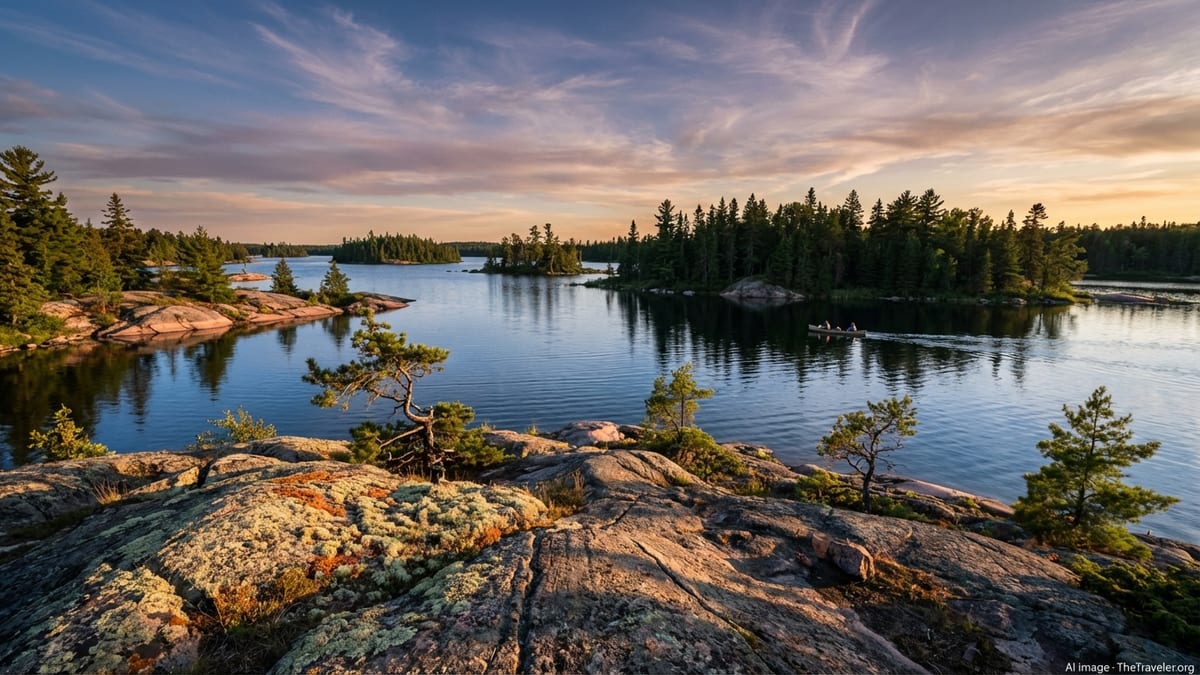
Beyond the ring roads of Winnipeg, Manitoba quickly opens into a landscape of water. The province holds tens of thousands of lakes, from shallow prairie potholes to deep shield basins carved in pink granite. In the southeast and east, along the Ontario border, sprawling Whiteshell Provincial Park offers classic Canadian shield scenery: rock ridges, pine forests, and clear lakes linked by rivers and portage trails. Campgrounds, lodges, and cottage communities make this one of the province’s most popular outdoor playgrounds.
Whiteshell and neighboring parks cater to a range of travelers. Families can base themselves at drive-in campgrounds or resort-style lodges with beaches and playgrounds, while paddlers set off on multi-day canoe routes that snake through lakes and wetlands. In addition to swimming, boating, and fishing, the region has hiking trails that climb granite outcrops for sweeping views over forest and water. Interpretive signage and heritage sites highlight the long presence of Indigenous peoples, including petroform rock formations and areas of ongoing cultural significance.
Farther north and west, places such as Riding Mountain National Park rise abruptly from the surrounding prairies. Here, forest, meadow, and wetland support wildlife that ranges from black bears and moose to elk and beavers. The park’s trail network extends from short walks to longer backcountry routes, while its lakeshores invite lazy summer days. The small townsite within the park, with its cafes and cabins, can feel like a summer resort transplanted onto the Manitoba escarpment.
Other provincial parks dot the province in less obvious ways. Along Lake Winnipeg’s western shore, near communities such as Gimli, small parks and beaches offer easy-going weekends of swimming, sailing, and strolls along simple waterfront promenades. In the Interlake region between Lake Winnipeg and Lake Manitoba, you will find opportunities for birdwatching in marshes and along migratory flyways. To the northwest, more remote parks combine rustic campgrounds with boat-in or fly-in lodges frequented by anglers. The common threads are starry nights, the call of loons, and an unhurried pace.
Churchill and the North: Polar Bears, Belugas, and Northern Lights
Manitoba’s northern coast on Hudson Bay feels like a different world from the agricultural south. The small community of Churchill, perched on treeless tundra at the edge of sea ice, is one of the most famous wildlife destinations in Canada. Despite its remote location and modest size, it attracts visitors from around the globe for close-up views of polar bears and beluga whales in their natural habitat.
Polar bears are the star attraction. Each autumn, typically in October and November, bears congregate near Churchill as they wait for the bay to freeze, offering rare land-based viewing opportunities. Specialized tundra vehicles with elevated viewing platforms travel over the coastal flats, allowing visitors to observe bears in relative comfort and safety. Some operators also run small-group stays at remote lodges on the tundra coast for a more immersive experience. Exact timing of the best viewing can shift slightly from year to year, depending on sea ice and weather, so travelers are wise to consult up-to-date advice when planning.
In summer, Churchill becomes the stage for a different wildlife spectacle as thousands of beluga whales enter the warm, shallow estuary where the Churchill River flows into the bay. Zodiac boats and larger vessels provide on-water viewing, while some operators offer kayaking or even snorkeling experiences with appropriate guidance and conditions. The surrounding tundra bursts into a brief season of wildflowers and migratory birds, and the same big skies that define the prairies feel sharper and more expansive at this latitude.
For those willing to embrace the cold and long nights, winter in Churchill can offer another reward: a high chance of witnessing the northern lights. Remote from city light pollution and located beneath a commonly active auroral band, the region is a strong contender for aurora photography and dark-sky viewing. Access to Churchill is generally by plane from Winnipeg or by rail, and weather can disrupt schedules. Visitors should build in flexibility, travel with appropriate cold-weather clothing, and recognize that even here wild animals and northern lights follow their own timetable.
Prairie Towns, Historic Sites, and Local Life
While Manitoba’s lakes and the Hudson Bay coast often steal the spotlight, the province’s prairie towns and rural communities provide a quieter but equally revealing glimpse into local life. Driving highways across the south, you will pass grain elevators, farmyards, small-town main streets, and community rinks that remain social centers through long winters. Stopping rather than simply passing through can lead to conversations in diners, encounters at farmers’ markets, and a better sense of how people live on this vast landscape.
Many communities preserve historic buildings and museums that trace waves of immigration and settlement. You may encounter Ukrainian churches with distinctive domes, Mennonite villages that share stories of migration and communal farming, or francophone parishes that highlight the province’s bilingual roots. In some areas, heritage sites and plaques interpret trade routes, railway development, and the role of the Red River Settlement in Canada’s westward expansion.
Near Winnipeg, small provincial parks and heritage sites overlay this human story on the landscape. Ruined monastery walls, mission sites, and former trading posts testify to centuries of cultural exchange and conflict along the Red and Assiniboine rivers. Further afield, former Hudson’s Bay Company posts on Lake Winnipeg and other waterways hint at the fur trade networks that connected this region to Europe long before modern highways.
Local events remain an important draw in many towns, from summer fairs and rodeos to winter carnivals and hockey tournaments. Even a simple visit to a community curling rink or outdoor skating oval can illuminate how residents embrace winter rather than endure it. Travelers willing to adjust their pace and show curiosity about everyday routines will often find Manitoba’s famed friendliness lived out in practice.
Indigenous Cultures and Responsible Tourism
Manitoba sits on the traditional territories of numerous First Nations, Inuit, and Métis communities, and acknowledging that living presence is an essential part of any thoughtful visit. Across the province, Indigenous-led tourism experiences are gradually expanding, providing opportunities for travelers to learn about local histories, languages, and relationships to the land in more direct and respectful ways.
These experiences might include guided walks that explain the cultural significance of specific landscapes, workshops with artists and knowledge keepers, or storytelling sessions that connect contemporary community life with ancestral traditions. In some parks, co-management arrangements between provincial authorities and First Nations emphasize traditional land use and long-term stewardship. Travelers should look for operators and experiences that clearly identify Indigenous leadership and benefit local communities economically and culturally.
Responsible tourism in Manitoba also means recognizing the environmental sensitivities of its ecosystems. From fragile tundra and peatlands to nesting wetlands and old-growth forest patches, many habitats are slow to recover from disturbance. Staying on designated trails, minimizing waste, and following local guidelines for wildlife viewing are basic steps. Around Churchill, for example, reputable operators work within established rules designed to keep both visitors and animals safe, and to reduce stress on polar bears and belugas.
When visiting museums, cultural centers, and community events, taking time to listen and observe rather than seeking quick photo opportunities can lead to deeper insights. Purchasing locally made crafts, supporting Indigenous-owned lodgings or guiding services where available, and learning a few words in local languages or about treaty history are small but meaningful ways to show respect. Manitoba’s cultural richness is inseparable from its Indigenous roots, and many residents are actively engaged in conversations about reconciliation and future relationships with the land.
Practical Tips for Planning Your Manitoba Trip
Given Manitoba’s size and seasonal extremes, advance planning can greatly improve your experience. Start with an honest look at your comfort level with weather: if you love heat and swimming, target mid-summer and focus on lake regions and city festivals. If you prefer crisp air and are intrigued by snow-based activities, consider late winter when days are lengthening but temperatures can still be very low. Those aiming for polar bears or belugas should plan at least several months in advance, as flights, accommodation, and tours around Churchill often fill early for prime weeks.
Accommodation options vary widely, from downtown hotels in Winnipeg and Brandon to campgrounds, lakeside cottages, and remote lodges accessible only by small plane or boat. In popular parks such as Whiteshell and Riding Mountain, reservable campsites and cabins go quickly for summer weekends. Shoulder seasons can bring fewer crowds and lower rates, but also cooler weather and limited services in some areas. In the far north, choices are fewer and more expensive, reflecting the high cost of operating in remote environments.
Driving distances can be long and services infrequent outside the main corridors. Keeping your vehicle fueled, carrying water and basic supplies, and checking road conditions in advance are standard precautions. Wildlife can be active near roads, especially at dawn and dusk, so cautious speeds and attentive driving are important. Bug season in early to mid-summer can be intense in wetland and forested areas; packing appropriate clothing and insect repellent will make camping and evening hikes far more pleasant.
Travel insurance that covers medical care, trip delays, and, for northern adventures, possible weather disruptions is strongly recommended. So is clothing based on layers rather than single heavy garments. In summer, a light jacket and rain shell may be enough, while winter visitors will want insulated boots, mitts rather than just gloves, a warm hat that covers the ears, and a windproof outer layer. Being prepared allows you to enjoy Manitoba’s open spaces and changing skies rather than spending your time darting from shelter to shelter.
The Takeaway
Manitoba rewards travelers who look beyond famous postcard images and seek out a more nuanced sense of place. It is a province where a day might begin with coffee in a downtown Winnipeg café and end under stars reflected in a still northern lake, or where a morning on a sun-warmed beach gives way to an evening learning about centuries of cultural exchange along historic rivers. Its big skies and broad horizons frame human stories as much as they do wildlife and wilderness.
From the subarctic shores of Hudson Bay to the granite ridges of shield country and the rolling fields of the south, Manitoba invites a slower, more attentive form of travel. This is not a destination of constant spectacle, although polar bears and auroras can certainly feel spectacular. Instead, it offers the chance to get to know a region that many people only ever cross on a map. Those who take the time to listen to its languages, learn its histories, and step outside after dark to hear the wind in the trees or across the snow often leave with a quiet but lasting connection.
FAQ
Q1. What is the best time of year to visit Manitoba?
The best time depends on your interests. July and August are ideal for lakes and camping, autumn is popular for polar bear viewing near Churchill, and winter offers snow sports and a chance to see the northern lights.
Q2. How do I get to Churchill to see polar bears and belugas?
Most visitors reach Churchill by flying from Winnipeg on scheduled services, or by taking a multi-day train journey across northern Manitoba. There are no roads connecting Churchill to the provincial highway network.
Q3. Do I need a car to explore Manitoba?
A car is very useful outside Winnipeg and Brandon, especially for visiting provincial parks, lake regions, and smaller towns. Within major cities you can rely on transit and taxis, but a vehicle offers much more flexibility for rural areas.
Q4. Is Manitoba safe for travelers?
Manitoba is generally safe, with the usual precautions recommended in any urban center. In remote areas, the main concerns relate to weather, wildlife, and long distances between services, so careful planning and attention to local advice are important.
Q5. What wildlife can I expect to see outside Churchill?
Beyond polar bears, Manitoba is home to animals such as black bears, moose, elk, beavers, foxes, and many bird species. In lake and forest regions you may spot loons, eagles, and migratory waterfowl, especially during spring and autumn.
Q6. Are there good options for camping and cabins?
Yes. Manitoba has an extensive network of provincial parks with campgrounds, backcountry sites, and some yurts or basic cabins. Around popular lakes, privately owned cabins and lodges offer additional choices ranging from simple to upscale.
Q7. How cold does it really get in winter?
Southern Manitoba often experiences temperatures well below freezing in winter, and wind can make it feel colder. In the north, including Churchill, extreme cold is common. With proper layered clothing and good planning, many visitors find winter outings rewarding.
Q8. Can I see the northern lights anywhere in Manitoba?
Auroras are most reliably seen in the north, where dark skies and latitude favor frequent displays. However, during strong solar activity, they can sometimes be visible even from southern parts of the province away from city lights.
Q9. How can I respectfully engage with Indigenous cultures while visiting?
Seek out Indigenous-led tours, cultural centers, and events, listen to local guidance, and support Indigenous-owned businesses where possible. Learning about treaty history and the traditional territories you are visiting is another meaningful step.
Q10. What should I pack for a summer trip to Manitoba’s lakes and parks?
Pack lightweight layers, a waterproof jacket, sturdy walking shoes or hiking boots, a hat, insect repellent, and sunscreen. Even in summer, evenings near lakes can be cool, so a warm sweater or fleece is useful.