

More news on this day
Haifa’s cruise ambitions and wider Eastern Mediterranean tourism are facing renewed uncertainty as Mano Cruises suspends sailings from the Israeli port through April 2026, disrupting regional itineraries and leaving travelers and local businesses scrambling to adapt.
Get the latest news straight to your inbox!
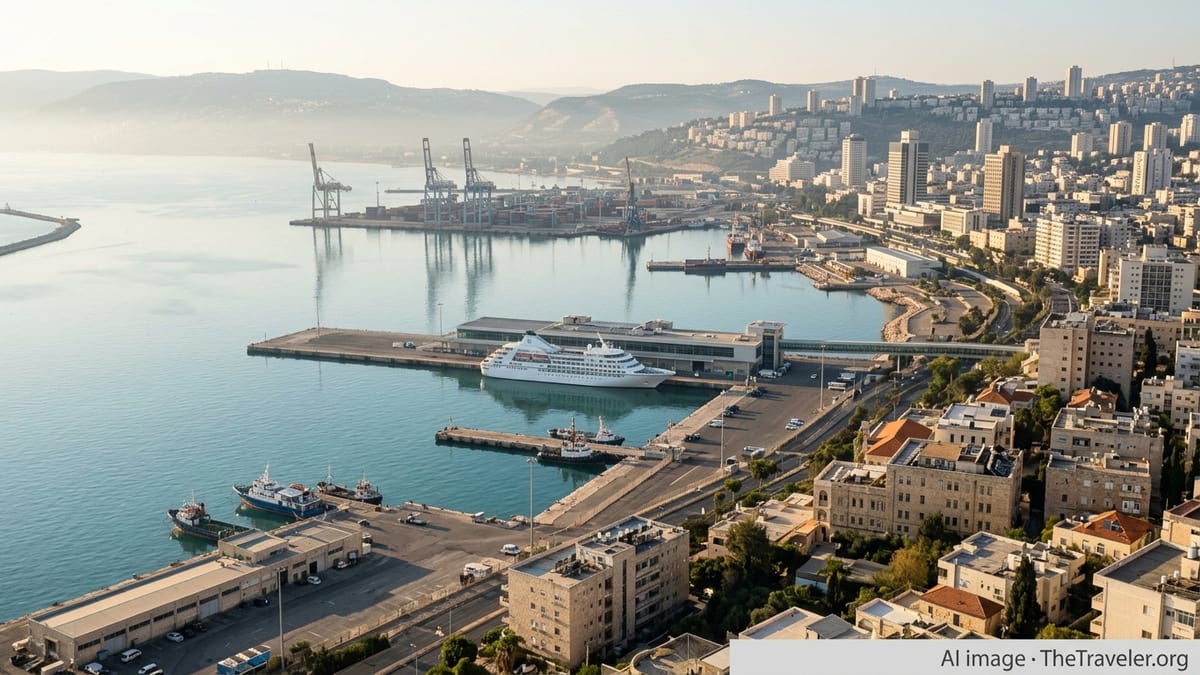
What Is Happening With Mano Cruises and Haifa?
Mano Cruises, the Israel-based line that operates the Crown Iris from Haifa, has been a central player in the Eastern Mediterranean short-cruise market, linking Israel with Cyprus, Greek islands and select Central Mediterranean ports. Its decision to cancel departures through April 2026 effectively removes a key source of cruise traffic for Haifa at the start of the 2026 season, when itineraries would normally ramp up after winter layups.
Mano’s recent programs have focused on two to four night sailings to Cyprus and Greece, along with occasional longer voyages to Italy and Malta. Publicly available schedules and promotional material for 2025 and 2026 had positioned Haifa as a busy homeport, with repeat calls to Limassol, Larnaca, Rhodes, Heraklion and Piraeus, as well as periodic cruises further west. The cancellations therefore represent a significant pullback from those plans at a time when other cruise brands are still weighing their deployments in the eastern basin.
While the company has not issued a detailed English-language explanation for the extended suspension, industry coverage and regional context point to a mix of operational, demand and geopolitical considerations. Previous reporting on Mano’s deployments has already highlighted itinerary changes in response to tensions affecting Turkey and the Black Sea, illustrating how quickly regional cruise planning can shift.
The loss of Mano’s Haifa departures through April 2026 goes beyond a single brand’s schedule. It removes hundreds of potential ship calls and tens of thousands of passenger movements from the regional tourism pipeline during a key booking and travel window, affecting the perception of the Eastern Mediterranean’s near-term stability as a cruise destination.
Impact on Eastern Mediterranean Itineraries and Ports
For ports such as Limassol, Larnaca, Rhodes and Heraklion, Mano’s cancellations mean fewer short-haul arrivals and a potential dip in same-day visitor spending. Cruise schedules published for 2026 had anticipated Haifa roundtrips feeding a steady stream of calls to these destinations in spring. With those sailings now off the board through April 2026, tourism operators in these ports lose one of their more reliable regional sources of traffic.
Short eastern Mediterranean cruises are particularly important for shore-excursion providers, guides and small businesses that rely on frequent but lower-spend visits. Longer international voyages bring higher-spending passengers, but typically less often. Mano’s Haifa-based model, built on repeated short itineraries close to home, tended to generate recurring volumes of visitors for waterfront cafes, shops and tour companies in partner ports.
The cancellations also complicate planning for regional cruise terminals and municipalities. Port schedules for 2026 have been adjusted several times over recent months, and Haifa’s reduced activity adds another variable for ports that coordinate berth allocation, security staffing and transport links around expected arrivals. While larger international cruise lines continue to publish Haifa calls within broader Mediterranean programs, Mano’s absence amplifies the perception of volatility in the eastern basin.
Other cruise companies have already demonstrated caution in nearby regions, including the Arabian Gulf, where brands have shortened or withdrawn seasonal programs. Mano’s extended pause from Haifa through April 2026 fits into a wider pattern of lines re-evaluating deployments in areas affected by geopolitical risk and changing demand patterns.
What Booked Passengers Need to Know
Travelers who had booked Mano cruises from Haifa through April 2026 are being directed to review cancellation notices, updated invoices and online account information to understand their options. While policies vary by fare type and booking channel, publicly available conditions typically provide for refunds, future cruise credits, or rebooking onto alternative dates when an operator cancels a sailing outright.
Industry practice suggests that if a cruise line cancels a full voyage, guests are generally entitled to a refund of the cruise fare, taxes and fees, with potential offers of added credit to encourage rebooking. However, travelers who cancel independently before an operator makes an official change can face standard penalties, especially inside final payment windows. Passengers who secured travel insurance with trip interruption or supplier-default coverage may have additional recourse, depending on the policy wording.
Given the evolving situation around Haifa and the Eastern Mediterranean, agencies and consumer advocates advise retaining all written communication from the cruise line or seller, including cancellation emails, updated terms and any rebooking offers. Travelers are also encouraged to monitor their payment methods to confirm timely refunds or credits, as reimbursement timelines can vary between direct bookings and agency-managed reservations.
For those still interested in cruising the region, one option is to shift to alternative itineraries that embark from ports such as Piraeus, Limassol or Civitavecchia, which currently maintain broader multi-line deployment. However, availability for peak spring and early summer 2026 departures may tighten as displaced Mano guests seek substitutes, and fare levels can adjust quickly as demand shifts.
Ripple Effects on Haifa’s Tourism Economy
Haifa has spent recent years positioning itself as a growing cruise gateway, complementing air arrivals into Israel with short regional sailings and serving as an embarkation point for international itineraries. Mano’s decision to suspend departures from the city through April 2026 interrupts that trajectory, at least in the near term, and poses challenges for businesses that geared up around cruise days.
Hotels, restaurants, transport companies and tour operators in and around Haifa typically benefit from pre- and post-cruise stays, day tours and airport transfers linked to cruise turnarounds. Even modest ships like the Crown Iris can bring more than a thousand passengers at a time, plus crew who spend in port. Removing those sailings through the early 2026 season strips a predictable layer of demand from the local economy.
Travel planners note that cruise visitors often act as repeat tourists, returning later for land-based trips after a positive first impression during a port stop. The pause in Mano’s Haifa operations therefore affects not only immediate revenue, but also potential future demand from international travelers who might otherwise have used a short cruise as an introduction to Israel and nearby destinations.
At the same time, Haifa continues to appear on itineraries of several international cruise brands for 2025 and 2026, particularly on longer Eastern and Central Mediterranean voyages. These calls, while less frequent than homeport operations, keep the city on the cruising map and may help sustain some port-related activity while local stakeholders wait for greater clarity on Mano’s plans beyond April 2026.
How Travelers Can Safely Replan Eastern Mediterranean Trips
For travelers whose plans were built around a Mano departure from Haifa, rethinking an Eastern Mediterranean itinerary begins with clarifying priorities. Those primarily interested in coastal Greece and Cyprus may find similar experiences by booking cruises that start in Piraeus, Limassol or other regional ports, potentially combined with low-cost flights from Israel or elsewhere to reach embarkation points.
Travelers seeking a broader Israel-focused trip that previously incorporated a short cruise may consider replacing the sailing with land-based coastal stays or day ferries where available, paired with guided excursions to cultural and religious sites. Tour operators are already adapting packages to account for the reduced availability of Haifa sailings, substituting more overland touring and extended time in cities such as Tel Aviv, Jerusalem and Akko.
Given the fluid situation in parts of the Eastern Mediterranean, specialists recommend tracking advisories from national foreign ministries, monitoring reputable regional media, and building flexibility into itineraries through refundable hotel rates and adaptable transport bookings. Choosing travel insurance that explicitly addresses trip cancellation and interruption linked to security events can add another layer of protection.
Looking ahead to late 2026 and beyond, many cruise lines continue to publish robust deployment plans for the wider Mediterranean, suggesting confidence in the region’s long-term appeal. For now, though, Mano Cruises’ cancellations from Haifa through April 2026 highlight the importance of contingency planning for anyone booking voyages in geopolitically sensitive waters, and underscore how local tourism economies can be reshaped by changes to a single homeport program.