

More news on this day
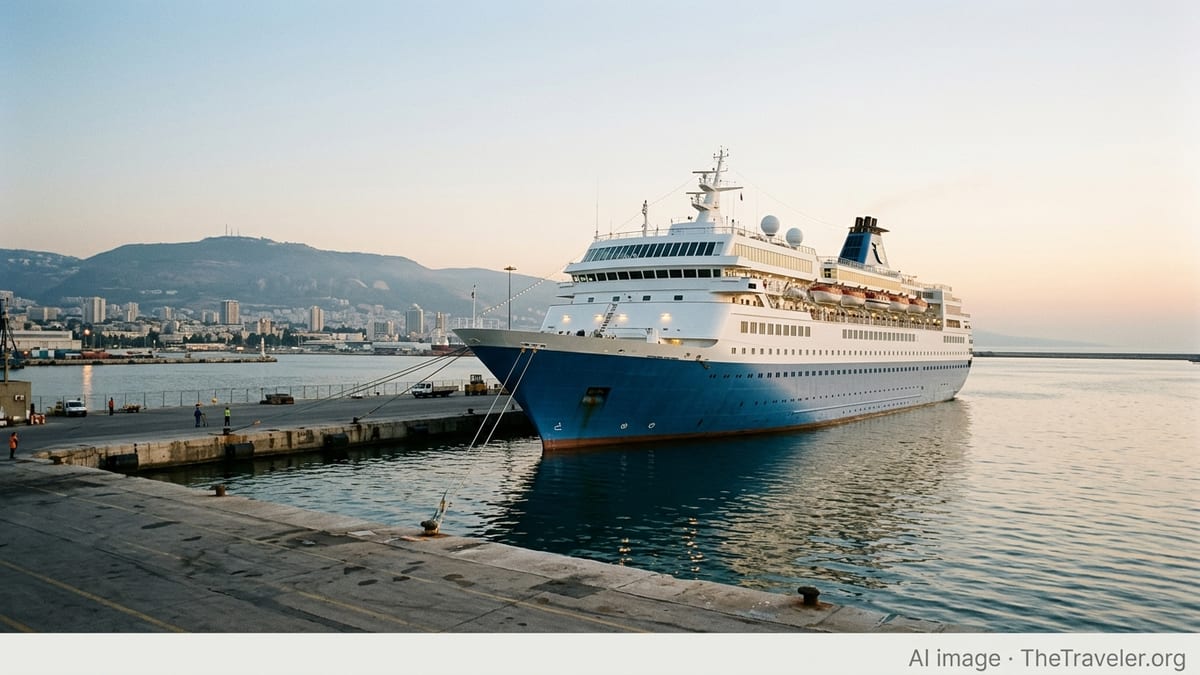
Mano Cruises has extended the suspension of Crown Iris departures from Haifa through April 2026, a move that significantly disrupts Greece and Cyprus cruise options for Israeli travelers and raises fresh questions about the short-term future of Eastern Mediterranean sailings.
Get the latest news straight to your inbox!
What the Extended Suspension Covers
According to publicly available schedule data and regional port information, Crown Iris sailings from Haifa are now on hold through at least the end of April 2026. The extension affects a range of short and weeklong itineraries that typically call in Greek islands and Cyprus, itineraries that have formed the backbone of Mano Cruises’ seasonal program for the Israeli market.
The pause means that departures that would normally operate in late winter and early spring 2026, including popular holiday and school-break periods, are not expected to run as originally scheduled. Prospective passengers looking at 2026 Eastern Mediterranean cruises from Israel will find fewer locally based options, particularly for budget and midrange sailings that embark directly from Haifa.
Port schedules for key regional hubs such as Limassol in Cyprus and Rhodes in Greece previously showed a steady pattern of Crown Iris calls through early 2026. Updated outlooks now indicate that those calls are not expected to take place in March and April, reflecting the extended suspension window applied to the ship’s Haifa-based programming.
Impact on Greece and Cyprus Itineraries
Crown Iris has long connected Haifa with nearby destinations including Cyprus and the Greek islands, offering Israelis a convenient cruise option without the need for long-haul flights. The extended suspension through April 2026 removes a significant share of those sailings from the market and may shift demand toward foreign lines operating out of Piraeus, Limassol, or other regional ports.
Travelers who relied on short cruises to Limassol, Rhodes, and other Aegean ports as quick getaways will be among the most affected. Many of these itineraries were marketed as affordable, family-friendly options, and their absence may leave a gap for passengers seeking similar routes at comparable price points and with Hebrew-language onboard services.
For ports such as Limassol and Rhodes, the change translates into fewer scheduled calls from an Israel-based ship during the early part of the 2026 season. While major international brands continue to feature the Eastern Mediterranean, the specific pattern of Haifa-sourced traffic aboard Crown Iris is expected to diminish during the suspension window, slightly reducing regional cruise throughput tied directly to the Israeli homeport.
What Booked Passengers Should Expect
Guests who had planned to sail on Crown Iris between now and the end of April 2026 are likely to face a combination of cancellations, rebookings on later dates, or offers to switch to alternative itineraries. Publicly available information from cruise lines in similar situations suggests that impacted customers can usually expect options such as full refunds, future cruise credits, or date changes, though specific terms vary by company and by booking channel.
Travelers holding 2026 reservations should start by checking their booking documents and monitoring their travel agency or Mano Cruises’ public updates for any formal notifications on cancelled or modified departures. Those who arranged flights, hotels, or independent shore plans around a Crown Iris sailing may also need to review airline and hotel policies to understand change or cancellation penalties that are not covered by the cruise fare itself.
Travel insurance could play a role for some passengers, particularly policies that include coverage for trip cancellation or interruption linked to carrier schedule changes. However, coverage details can be highly specific, and travelers are generally advised to review their policy wording carefully to see whether a cruise-line suspension qualifies and what documentation may be required to file a claim.
Why Haifa-Based Cruises Are Under Pressure
Haifa has emerged over the past decade as a key homeport for Israel’s outbound cruise market, with ships like Crown Iris serving nearby destinations such as Cyprus, the Greek islands, and other Eastern Mediterranean ports. In recent seasons, geopolitical tensions and shifting security assessments across the region have put added pressure on itineraries that rely heavily on Israeli ports and neighboring countries.
Industry analysts note that cruise lines are often quick to adjust schedules around perceived risk, air connectivity, and port access. The suspension of Crown Iris sailings through April 2026 appears consistent with a broader pattern in which operators build in longer buffers before resuming certain routes, particularly when itineraries depend on multiple closely linked destinations that may introduce operational uncertainties.
Public port schedules from Eastern Mediterranean hubs still show a diverse lineup of international ships for 2026, indicating that the wider regional cruise market continues to function. However, the loss of a locally based vessel like Crown Iris for part of the season underlines how localized factors, including homeport conditions and demand patterns within Israel, can lead to extended pauses even while foreign-flag operators continue to call at nearby ports.
Alternatives for Eastern Mediterranean Cruisers
With Crown Iris off the schedule through April 2026, Israeli travelers interested in cruising the Eastern Mediterranean may need to consider alternative embarkation ports. Piraeus near Athens, Limassol in Cyprus, and a range of Italian ports remain important gateways for cruises that visit many of the same islands and coastal cities once served directly from Haifa.
Several major international cruise brands already offer itineraries that include Greece, Cyprus, and other Eastern Mediterranean highlights in 2026, typically as part of longer regional routes. While these sailings can provide similar destination coverage, they often require additional planning, including flights to embarkation ports and potentially higher overall travel costs compared with cruising directly from Israel.
For those who prefer to wait for the return of Haifa-based voyages, the period after April 2026 will be of particular interest. Port schedules and industry commentary will be closely watched for signs that Crown Iris or other vessels are returning to regular service from Israel, as well as any changes to itineraries, ship deployment, or onboard offerings that may accompany a restart.