

More news on this day
Royal Caribbean International’s Mariner of the Seas has returned to service following a scheduled drydock, reentering the global fleet with refreshed onboard features and an expanded mix of Caribbean and European itineraries that highlight steady growth in both regions’ cruise tourism sectors.
Get the latest news straight to your inbox!
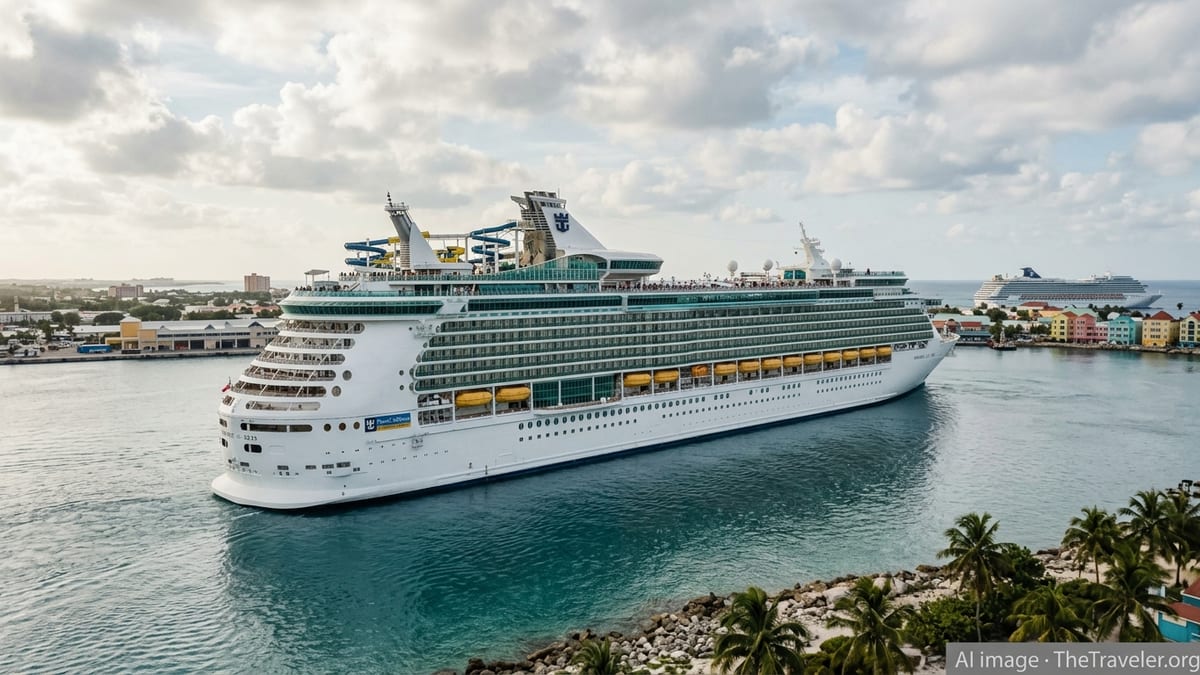
Refreshed Ship Rejoins a Busy Global Fleet
Mariner of the Seas, a Voyager-class ship that already underwent a major Royal Amplification in 2018, has completed its latest technical drydock and is back sailing revenue cruises. Industry schedule data indicates the work focused on regular maintenance, efficiency upgrades and selective venue refreshes rather than a full-scale redesign, positioning the vessel for several more years of deployments in high-demand markets.
Tracking services and deployment summaries show the ship returning to regular service with a capacity of more than 3,100 guests, retaining popular features such as waterslides, a sports deck and varied dining options that have helped Royal Caribbean grow its short-cruise and family travel business. The latest drydock is part of a broader cadence of upgrades across the brand, as the line prepares its fleet for increasingly competitive Caribbean and European seasons through the middle of the decade.
Industry analysts note that such midlife refreshes are now closely tied to itinerary strategy. By ensuring that hardware keeps pace with newer tonnage, Royal Caribbean can confidently position an older but still popular ship like Mariner of the Seas into marquee ports, including destinations that are expanding their cruise infrastructure and guest amenities.
Expanded Caribbean Sailings From Gulf and Southeast U.S. Gateways
Publicly available deployment information shows Mariner of the Seas continuing to play a central role in Royal Caribbean’s Caribbean program, with a series of 4 to 7 night cruises to the Western Caribbean and Bahamas from Gulf Coast and Southeast U.S. homeports. Schedules list sailings that include calls at Cozumel and Costa Maya in Mexico, Roatán in Honduras, and private-island destinations in the Bahamas, reflecting sustained demand for warm-weather getaways close to North American source markets.
The return from drydock allows the ship to resume shoulder-season and peak-season itineraries that feed well-established port communities. Caribbean tourism boards have been signaling strong cruise recovery, and the presence of a mid-sized ship with a loyal following supports local tour operators, retailers and hospitality businesses in ports of call that compete for calls from the world’s largest lines.
Market observers point out that Mariner’s size and configuration make it a flexible asset for the region. The ship is large enough to offer headline onboard attractions, yet compact enough to access smaller or more infrastructure-constrained ports, giving Royal Caribbean room to adjust routings as consumer preferences evolve toward a mix of private destinations and classic island calls.
New and Returning European Itineraries Signal Capacity Growth
Alongside its Caribbean program, Mariner of the Seas is slated to expand Royal Caribbean’s European deployment over the coming seasons. Industry coverage of the line’s recently announced summer lineups shows the ship scheduled for a debut season from Southampton, England, where it will operate a selection of cruises around Northern and Western Europe, adding capacity into a region that has rebounded strongly since the pandemic.
The itineraries from Southampton are expected to feature calls in destinations such as the Norwegian fjords, Western European coastal cities and key North Sea ports, contributing to broader growth in Northern Europe’s cruise arrivals. Trade reports describe the ship’s move as part of a multi-vessel strategy, with Royal Caribbean planning multiple ships in European waters and complementing them with new tonnage such as the Icon-class Legend of the Seas in the Western Mediterranean.
European port authorities and tourism ministries have been investing in terminal upgrades, shore power capabilities and visitor management initiatives, and the addition of Mariner of the Seas into North European rotations provides further incentive for those projects. The ship’s deployment helps spread cruise traffic beyond traditional Mediterranean hubs, aligning with regional goals to diversify tourism flows.
Balancing Established Hubs and Emerging Cruise Ports
Mariner of the Seas’ post-drydock schedule reflects a broader trend of cruise lines balancing established homeports with emerging gateways. In the Caribbean, sailing from major U.S. ports continues to anchor Royal Caribbean’s presence, but industry announcements also highlight additional seasonal options, including future plans to base the ship in New Orleans for a winter program to the Western Caribbean.
In Europe, routing from Southampton allows the ship to tap into one of the continent’s most mature cruise markets while still reaching emerging or growing destinations in Scandinavia, the British Isles and the Atlantic fringe. This approach spreads economic benefits across multiple regions, while also supporting cruise lines’ efforts to optimize fuel use and operational efficiency through carefully sequenced itineraries.
Observers note that Mariner of the Seas is entering these markets at a time when cruise tourism is under increased scrutiny regarding environmental and community impacts. Deploying a recently maintained vessel with updated technical systems into ports that are upgrading their infrastructure is seen as one way the industry is attempting to align commercial expansion with evolving regulatory and societal expectations.
Competitive Landscape in a Rapidly Growing Cruise Market
The return of Mariner of the Seas also takes place against a competitive backdrop in which Royal Caribbean and other major operators are adding new ships and enhancing existing ones. Recent announcements across the sector include new large vessels earmarked for both Caribbean and European trades, upgraded onboard experiences, and destination projects such as beach clubs designed to differentiate each brand’s offerings.
Within this context, the ship’s refreshed condition and expanded itineraries are part of Royal Caribbean’s strategy to maintain a broad portfolio that spans record-breaking new builds and revitalized older ships. Mariner of the Seas gives the line a proven platform to serve repeat cruisers and first-time guests who may be drawn to shorter itineraries, drive-to homeports or Northern Europe sailings that combine city visits with scenic cruising.
Analysts tracking cruise capacity point out that the coming years will see a steady rise in berths deployed to the Caribbean and Europe, fueled by both fleet growth and longer seasonal windows. By returning Mariner of the Seas to service with a strengthened schedule across these two key regions, Royal Caribbean is signaling confidence that demand will continue to support additional capacity, even as travelers benefit from more choice in ships, routes and price points.