

More news on this day
Marriott International and Vietnam-based Sun Group have signed agreements for 10 new hotels and resorts across the country, underscoring sustained confidence in Vietnam’s tourism growth and deepening a strategic relationship between one of the world’s largest hospitality companies and a leading local developer.
Get the latest news straight to your inbox!
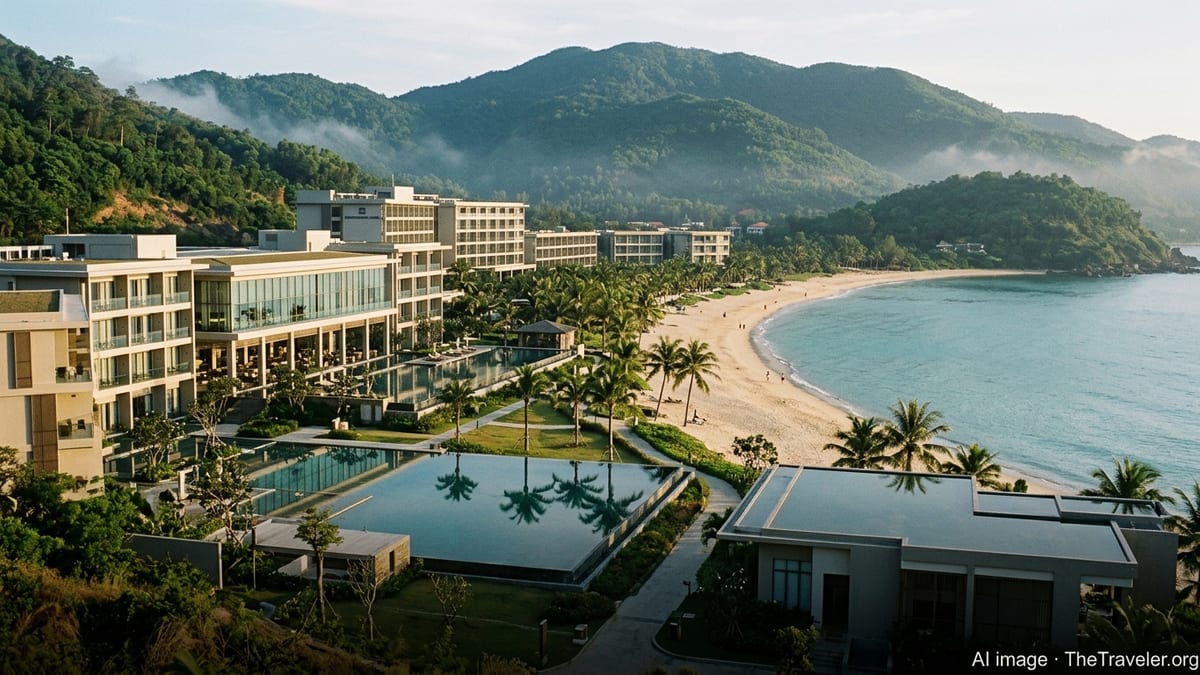
Landmark Expansion Across Vietnam’s Key Destinations
Publicly available information indicates that the newly signed 10 properties with Sun Group will be spread across several of Vietnam’s most prominent leisure and tourism hubs. The expansion is expected to reinforce Vietnam’s position as one of Marriott International’s fastest-growing markets in the Asia Pacific region, building on a broader development pipeline that has recently highlighted Vietnam alongside China, Japan, the United Arab Emirates and India as priority growth destinations.
The collaboration is understood to focus heavily on resort-led coastal destinations, where Sun Group has been a major investor in large-scale tourism complexes, theme parks and cable car infrastructure. The new hotels are anticipated to complement existing developments by adding internationally branded accommodation that can attract higher-spending international visitors and organized tour groups, while also targeting a growing domestic affluent traveler base.
Although detailed site-by-site breakdowns have not been fully disclosed in current public coverage, industry reports suggest that locations such as Phu Quoc, Ha Long and other established Sun Group destinations are likely to benefit from the partnership. The additional room inventory and associated facilities are positioned to support Vietnam’s efforts to extend guest stays and diversify tourism beyond traditional city breaks.
Strengthening a Strategic Owner–Operator Partnership
The new 10-hotel signing marks a further deepening of the relationship between Marriott International as manager and Sun Group as owner and developer. Previous cooperation between global hotel groups and Vietnamese developers, including branded luxury resorts and conversion of existing properties under international flags, has already demonstrated the appeal of Vietnam’s coastal and cultural destinations to global operators.
According to published corporate material, Marriott has been prioritizing multi-property agreements and conversions worldwide as an efficient way to grow its system size. In Vietnam, working with a large-scale local partner such as Sun Group allows the company to scale more rapidly, leveraging Sun Group’s land bank, master-planned destinations and understanding of local regulations, construction and demand cycles.
For Sun Group, aligning with a global hospitality brand provides access to international distribution channels, loyalty program members and global operating standards. This can enhance the performance of its resorts and hotels, support year-round occupancy and position its destinations more prominently on the global travel map, especially for long-haul visitors from North America, Europe and North Asia.
Portfolio Mix: From Luxury Resorts to Family-Oriented Escapes
While full brand allocations for the 10 new hotels have not yet been comprehensively detailed in open sources, Marriott’s recent development patterns in Vietnam point toward a mix of luxury, premium and select-service offerings. In the wider market, the company has signed and opened properties under banners such as JW Marriott, Sheraton, Marriott Hotels, Renaissance and The Luxury Collection, reflecting a strategy of targeting different price points within the same destination.
Given Sun Group’s focus on large integrated resorts, water parks and entertainment complexes, several of the upcoming hotels are expected to appeal to families and multi-generational travelers seeking resort stays with easy access to attractions. At the same time, luxury beachfront and villa-style products are likely to target high-net-worth guests, destination weddings, conferences and incentive groups, broadening the demand base within each Sun Group location.
For Vietnam’s tourism sector, the diversification of brand tiers within a single owner’s portfolio can encourage longer stays, as travelers combine ultra-luxury experiences with more affordable nights on the same itinerary. It also supports the country’s ambition to increase per-visitor spending by offering a broader range of dining, spa, golf and experiential options tied to globally recognized hotel brands.
Implications for Vietnam’s Tourism Growth Strategy
The 10-hotel agreement arrives as Vietnam continues to rebuild international arrivals and invest in tourism infrastructure following recent global travel disruptions. Government targets and sector reports point to ambitions to welcome tens of millions of visitors annually over the coming years, with a particular emphasis on higher-value, longer-stay tourism and improved regional air connectivity.
New branded capacity from partnerships such as the Marriott–Sun Group deal is expected to play a role in meeting these objectives. International brands often serve as a confidence signal for overseas tour operators and independent travelers, supporting the promotion of emerging destinations beyond the country’s biggest cities. Additional meeting and event space within new hotels can also help Vietnam compete more strongly for regional conferences and incentive trips.
The agreement aligns with a broader trend of global hotel groups deepening their presence in Vietnam through management deals rather than asset ownership. For local developers like Sun Group, these arrangements allow continued control of real estate projects while tapping into international sales, marketing and operational expertise that can help deliver more consistent returns across economic cycles.
Competitive Landscape and Investor Interest
The expanded Marriott–Sun Group partnership arrives in a context of intensifying competition among global hospitality brands in Vietnam. Other international operators have been signing multi-property deals and introducing new brands to the market, targeting both major cities and secondary coastal destinations as infrastructure improves and visitor numbers rise.
Analysts following the region note that large-scale agreements for multiple hotels, such as the 10-property signing, are often interpreted as a signal of long-term confidence in destination fundamentals. These fundamentals include continued investment in airports and roads, a growing middle class within Vietnam and across Asia, and increasing interest in resort-led, experience-focused travel.
Investor interest in Vietnamese hospitality assets has remained resilient, with many seeing potential upside as new international routes are introduced and visa policies are gradually updated. In this environment, the Marriott and Sun Group collaboration is viewed as part of a larger wave of institutional capital and global brand expertise helping to reshape Vietnam’s coastline and urban skylines into more internationally familiar, yet locally rooted, tourism offerings.