

More news on this day
Marriott Bonvoy’s elite ranks appear to be swelling to unprecedented levels, with reports indicating that more than half of guests at some properties now hold Platinum status or higher, raising new questions about the value of loyalty.
Get the latest news straight to your inbox!
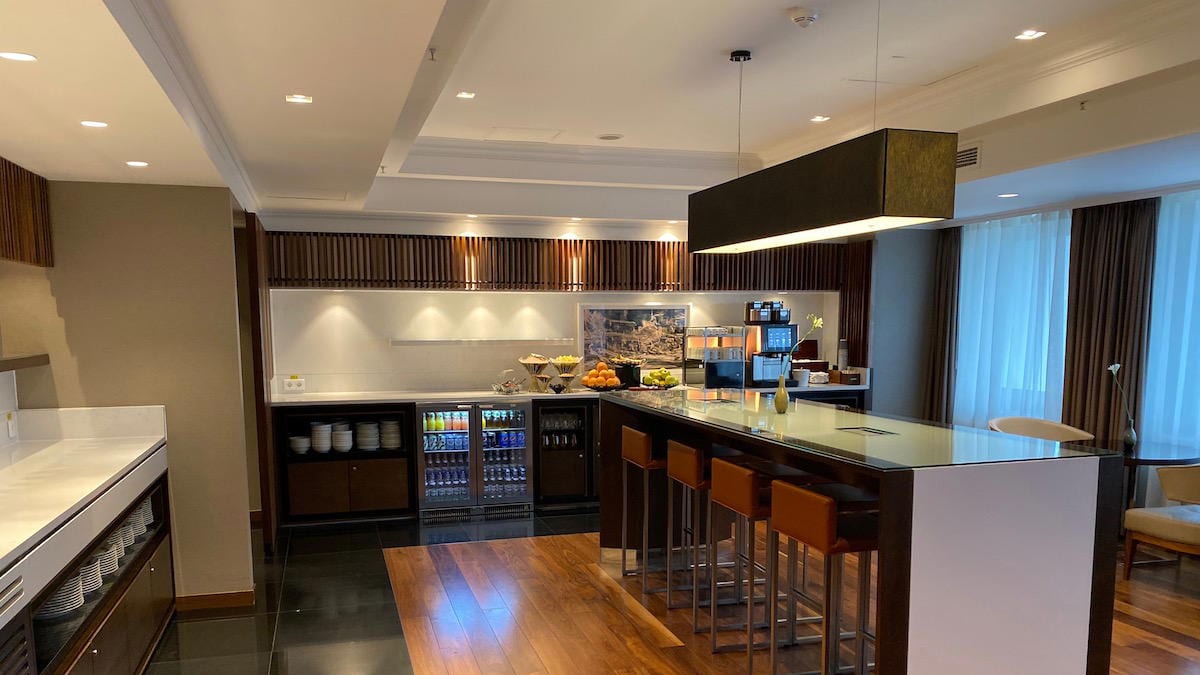
Image by One Mile at a Time
Elite Tiers No Longer Feel Exclusive
Elite status at major hotel chains has long been marketed as a scarce reward for frequent guests. In the case of Marriott Bonvoy, however, travelers and analysts are now pointing to signs of elite inflation, where a rapidly growing share of guests are classified as high tier. Frequent-stay travelers report that front desks at busy business and resort properties increasingly describe guest lists in which 50 percent or more of in-house guests are Platinum, Titanium or Ambassador level.
This pattern is emerging against a backdrop of sustained loyalty growth. Marriott’s own filings and ESG reports describe a program that has surpassed 200 million members globally and continues to expand at double-digit rates. Industry research from hotel and real estate consultancies shows that loyalty members already drive a majority of occupied room nights at large chains, underlining how central these schemes have become to hotel revenue strategies.
The combination of aggressive member acquisition, credit card partnerships and periodic “soft landings” for elites has led to a larger pool of high-tier members who are all theoretically entitled to room upgrades, late check-out and bonus points. The result, many travelers say, is that the promise of exclusivity is eroding just as membership numbers reach record highs.
For guests who spent years climbing from entry-level membership to Platinum or above, the sense that elite status is no longer rare has become a recurring point of frustration in travel forums and social media discussions.
Credit Cards And Promotions Fuel The Platinum Surge
One of the most frequently cited drivers of elite inflation in Marriott Bonvoy is the proliferation of co-branded credit cards and promotional shortcuts to status. Multiple issuers now offer products that grant automatic Silver or Gold, along with generous packages of elite night credits each year. Some premium cards confer 15 or more elite nights annually, while others stack credits across personal and business products, making Platinum status reachable with relatively modest actual hotel stays.
Online discussions among Marriott Bonvoy members suggest that it is increasingly possible to achieve or maintain Platinum largely through card spending and promotions rather than extensive travel. Recent bonus-night campaigns, targeted offers and ongoing “boost” initiatives have added further acceleration, allowing members to hit 50-night thresholds more easily than in previous years.
In several markets, particularly in the United States and China, regular guests describe a situation in which “purchasable” status has become commonplace. Users on travel and loyalty forums say that high-tier badges are now worn by a wide spectrum of travelers, from weekly road warriors to infrequent vacationers who strategically leverage credit cards and seasonal promotions.
This influx of elite members has direct operational implications. When half or more of a hotel’s occupied rooms are tied to Platinum-level guests, staff must balance limited upgrade inventory and late check-out requests against brand promises that were originally designed for a far smaller slice of the customer base.
Upgrades, Lounges And Late Check-Out Under Pressure
As the elite population grows, some of the most prized benefits associated with Platinum and above are becoming harder to obtain in practice. Marriott Bonvoy’s published benefits reference complimentary room upgrades, priority for preferred room types and, at many full-service brands, lounge access and 4 p.m. late check-out for higher-tier elites. Travelers increasingly report that these perks are either unavailable or inconsistently honored on busy nights.
Comments in loyalty communities describe full or “waitlisted” lounges even at non-peak times, with properties quietly tightening access rules to manage crowding. Others point to a noticeable decline in the quality or frequency of food offerings in some executive lounges, attributing the changes to cost pressure created by a growing number of entitled guests.
Room upgrades have become another fault line. Travel sites monitoring program changes have highlighted adjustments in the written upgrade language for Platinum, Titanium and Ambassador members, with wording that appears to narrow expectations around “best available” rooms. At the same time, guests say they are more often assigned standard rooms despite high-tier status, with explanations ranging from high occupancy to heavy concentrations of elites on property.
Late check-out benefits are also under strain. On forums dedicated to Marriott stays, Platinum and Titanium members recount being denied 4 p.m. check-out during sold-out periods because so many incoming guests also hold elite status. In practice, many hotels now prioritize operational turnover and housekeeping schedules over strict adherence to advertised elite departure times.
Program Economics And The Risk Of Dilution
The shifting experience for elite guests comes as loyalty programs play an ever larger role in hotel economics. Industry analyses describe how chains like Marriott increasingly view their loyalty platforms as high-margin, fee-based engines that generate revenue through credit card partnerships, co-branded financial products and the sale of points to third parties such as banks and travel firms.
Independent data studies of Marriott award pricing have pointed to sustained point inflation in popular destinations, with dynamic pricing pushing the cost of some aspirational properties significantly higher than in earlier years. These evaluations suggest that the effective value of Bonvoy points has declined, particularly for high-demand dates and premium hotels, leaving many elites feeling that their rewards and benefits are being stretched thin on multiple fronts.
From the hotel owner’s perspective, however, loyalty programs still deliver a steady pipeline of guests and help smooth occupancy throughout the year. Industry reports note that loyalty members account for a growing share of occupied rooms across major brands, and that fees tied to these programs remain a relatively modest portion of total revenue. This creates a powerful incentive for chains to continue expanding their membership bases, even if it increases pressure on elite perks.
The tension between volume and exclusivity is now at the heart of Bonvoy’s elite inflation debate. As more travelers qualify for Platinum and higher tiers, each individual member’s access to upgrades and special treatment can diminish, potentially undermining the very loyalty the program is designed to cultivate.
How Travelers Are Responding To Elite Saturation
Faced with what many perceive as a diluted elite experience, frequent travelers are reassessing their strategies. Some self-described road warriors report shifting stays to competing programs where top-tier status is harder to obtain and, in their view, delivers more consistent recognition. Others are diversifying across several chains, prioritizing price and location over loyalty until specific stay patterns emerge that justify aiming for a single elite tier.
On message boards dedicated to Marriott Bonvoy, members debate whether it still makes sense to chase Platinum status annually through mattress runs, credit card stacking or discretionary stays. A recurring theme is that while the program remains useful for earning free nights, the soft benefits traditionally associated with elite status, such as suite upgrades and guaranteed late checkout, are no longer dependable enough to justify extra expense.
At the same time, many travelers continue to value Bonvoy’s global reach and broad brand portfolio, from select-service properties in smaller cities to luxury flags in gateway destinations. For these guests, the practical response to elite inflation is to reset expectations: treat upgrades and lounge access as bonuses rather than certainties, and focus on the tangible, bookable value of points and free-night certificates.
Whether Marriott adjusts qualification thresholds, scales back credit card shortcuts or refines benefit language in response to mounting complaints remains to be seen. For now, the perception that 50 percent or more of guests at some hotels carry a Platinum or higher card has become a powerful symbol of how quickly elite status can lose its shine when almost everyone in the lobby is supposed to feel special.